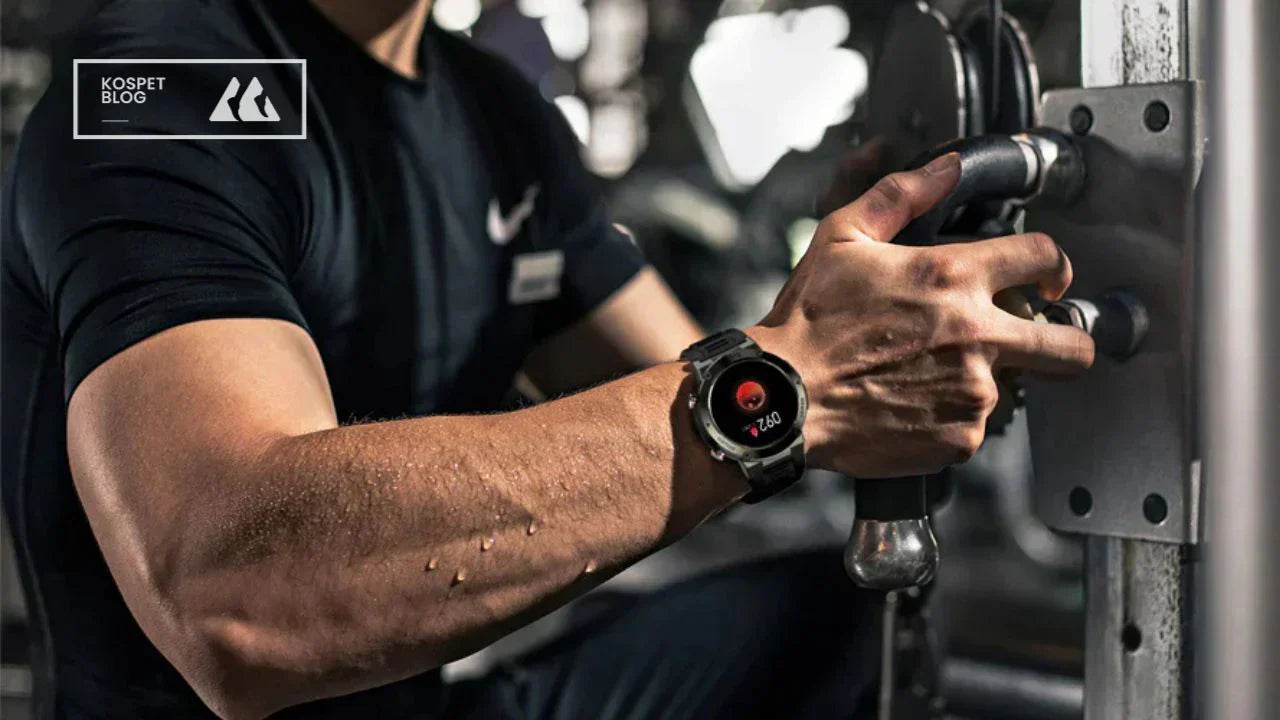


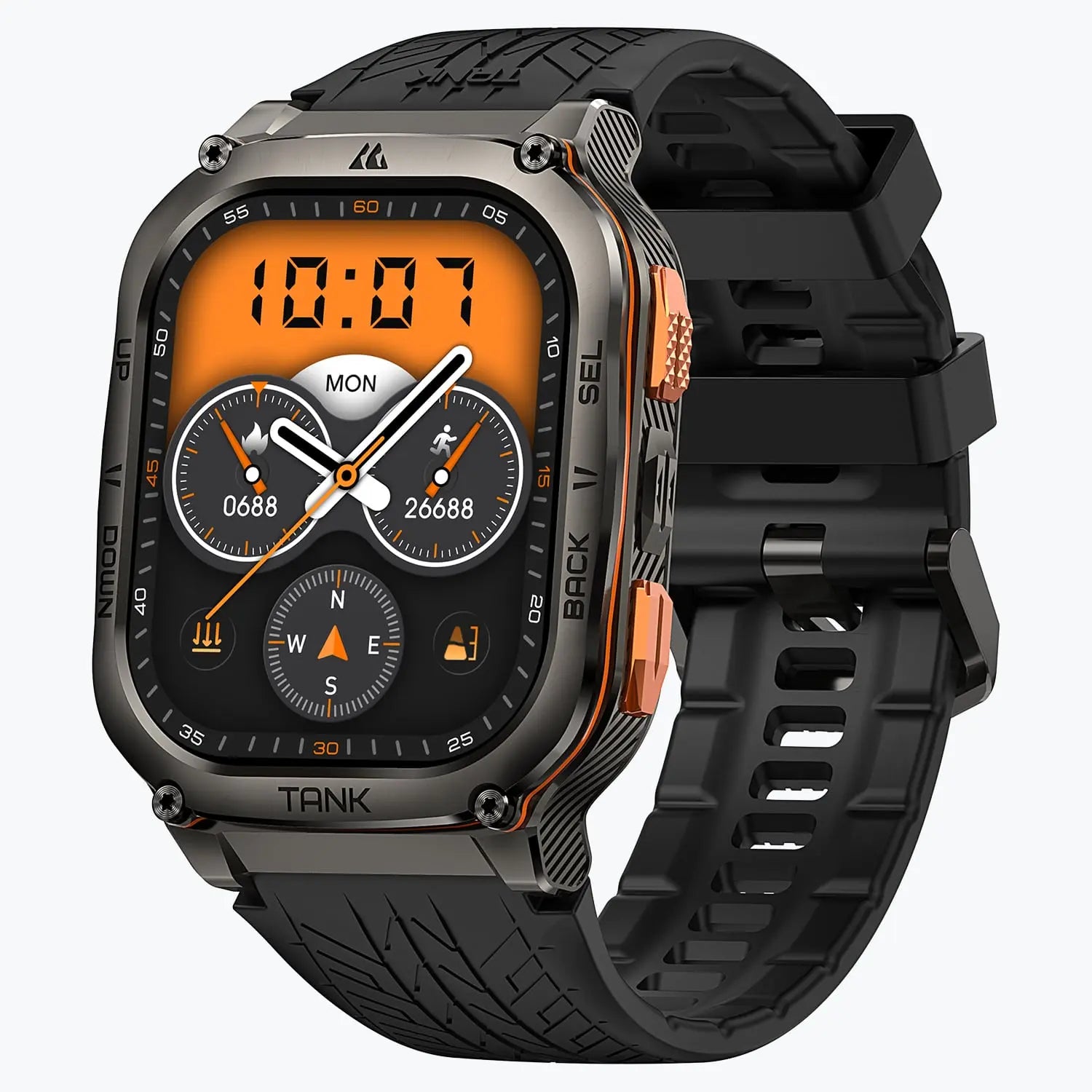


Trail running is much more than just running on a smooth sidewalk. It is a high-impact sport where your equipment faces extreme stress.
A standard smartwatch often freezes its GPS when you enter a deep canyon or shatters the first time you slip on a wet root. To stay safe and keep your data accurate, you need a watch built for the wild.
This guide breaks down the essential hardware, from Dual-Band GPS to military-grade durability, so you can choose a running smartwatch that won't quit when the trail gets tough.

Why Trail Running Needs a Different Sports Watch
Trail running is unpredictable. Unlike road running where your pace is steady, trail running involves constant changes in elevation and terrain.
Deep canyons and tall trees can block satellite signals, which causes a normal watch to drift and show the wrong distance. In some cases, this error can be as much as 20 percent.
A true trail watch uses Dual-Band GPS, which utilizes both L1 and L5 signals to stay locked onto satellites even in difficult spots. It also needs a barometer to measure air pressure. This tool tells you exactly how many feet you have climbed in real-time, which is much more reliable than just guessing based on a map.
Sports Watch Controls That Work on Trails
When your heart rate hits 160 beats per minute, your brain loses the ability to perform tiny, precise movements. This is why touchscreens often fail trail runners. It is not just because of sweat, but because capacitive screens can mistake raindrops for finger touches.
You need dedicated physical buttons that provide tactile feedback, which is a clear click you can feel. This allows you to lap your time or check a map by feel alone. This design keeps your eyes on the rocky path ahead where they belong.
Tip for runners: Choose a watch with at least two protruding side buttons. Before you buy, try pressing the buttons without looking. If you cannot tell the difference between the Start and Back buttons by touch alone, the watch is not ready for the trail.
Sports Watch Display That Stays Readable Outdoors
Trail lighting is a nightmare for digital screens. Moving from a dark forest into bright sunlight at noon creates massive glare that washes out cheap screens.
To read your pace in a split second, you need an AMOLED display with a peak brightness of at least 1,000 nits. High-contrast designs are also essential.
For example, neon green or white text on a deep black background is much easier to read during high-speed descents when you only have a millisecond to glance at your wrist.
Tip for runners: Check the spec sheet for Nits, which measures brightness. If the watch is below 500 nits, you will find yourself stopping and using your other hand to shade the screen just to see your heart rate.
Sports Watch Durability for Rocks, Drops, and Scrapes
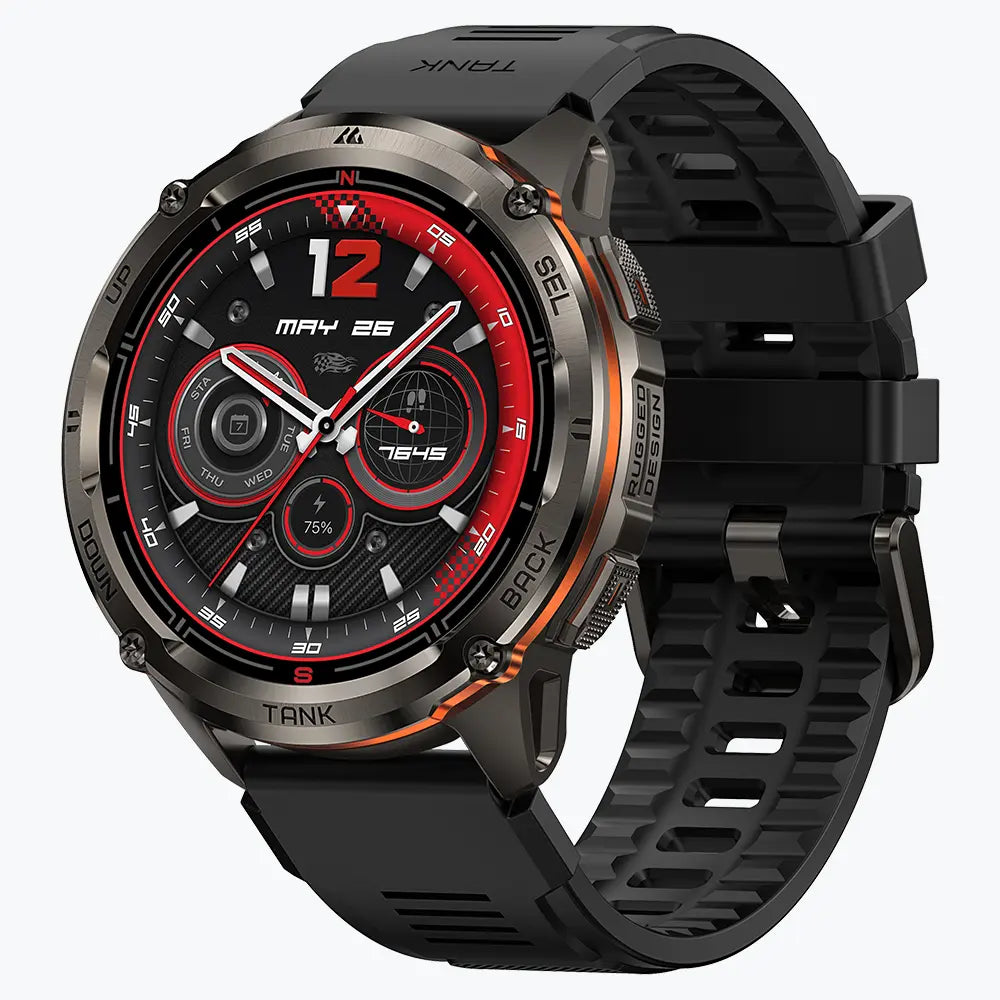
Impact is inevitable on the trail. A simple arm swing can send your watch face directly into a granite boulder. Look for a watch with a raised metal bezel.
This is a protective ring that sits higher than the glass to absorb the hit. The watch should also be certified for MIL-STD-810H.
This means it has passed specific military-grade tests for shock, vibration, and thermal shock, which happens when moving from hot sun to a freezing cold river.
Tip for runners: Look for Zinc Alloy or Stainless Steel in the frame description. Plastic or polycarbonate frames are lighter, but they often crack at the lugs, which are the parts where the strap connects, during a fall.
Sports Watch Battery That Can Finish the Run
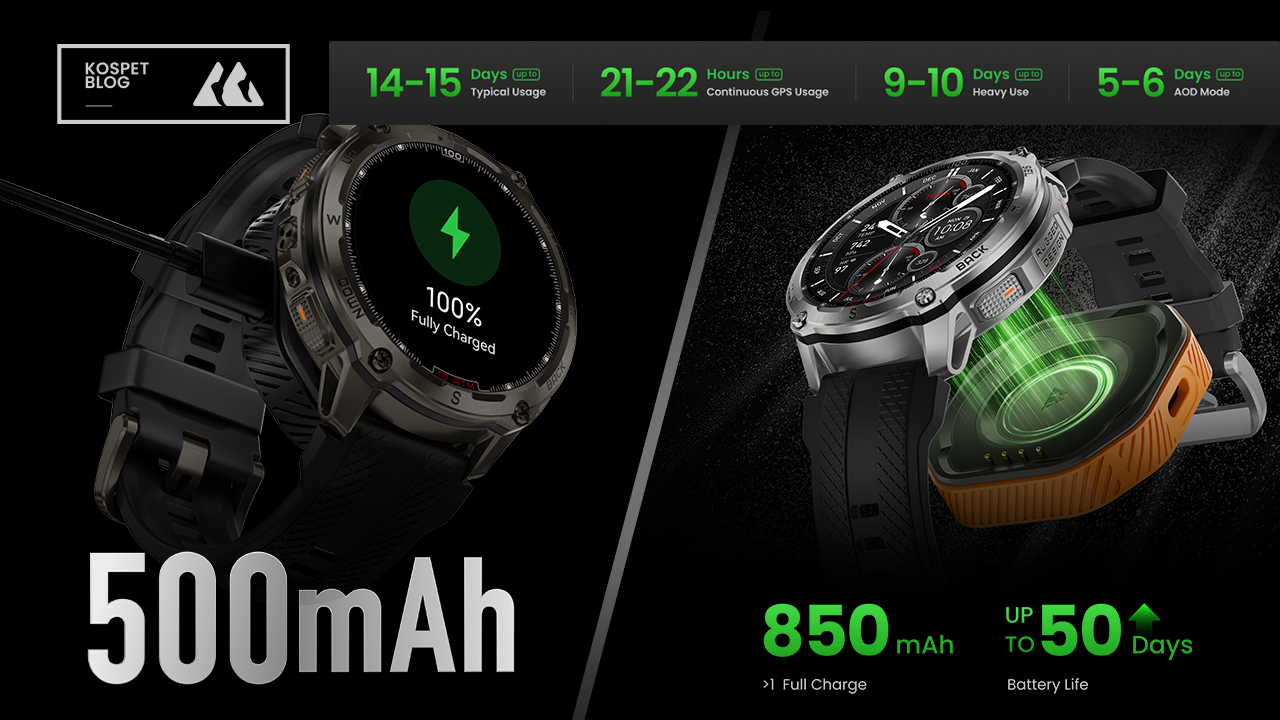
Battery confidence matters more on trails because runs often last longer than planned due to steep climbs or weather changes. GPS is a battery killer. While a watch might last 10 days in standby mode, it might die in only 5 hours if the GPS is at full power.
For trail running, you need a high-capacity battery that is usually between 400mAh and 500mAh. This should provide at least 25 to 30 hours of continuous GPS tracking to ensure the watch does not die while you are still miles away from the finish line.
Tip for runners: Always add a 30 percent buffer to your battery planning. If your longest run is 5 hours, make sure your watch can handle at least 7 hours of GPS use to account for cold weather, as cold temperatures drain batteries faster.
Sports Watch Protection Against Rain, Mud, and Sweat
Most people think an IP68 rating is enough, but water resistant is not the same as pressure resistant. When you fall into a stream or wash mud off your watch under a high-pressure faucet, the water is forced against the seals.
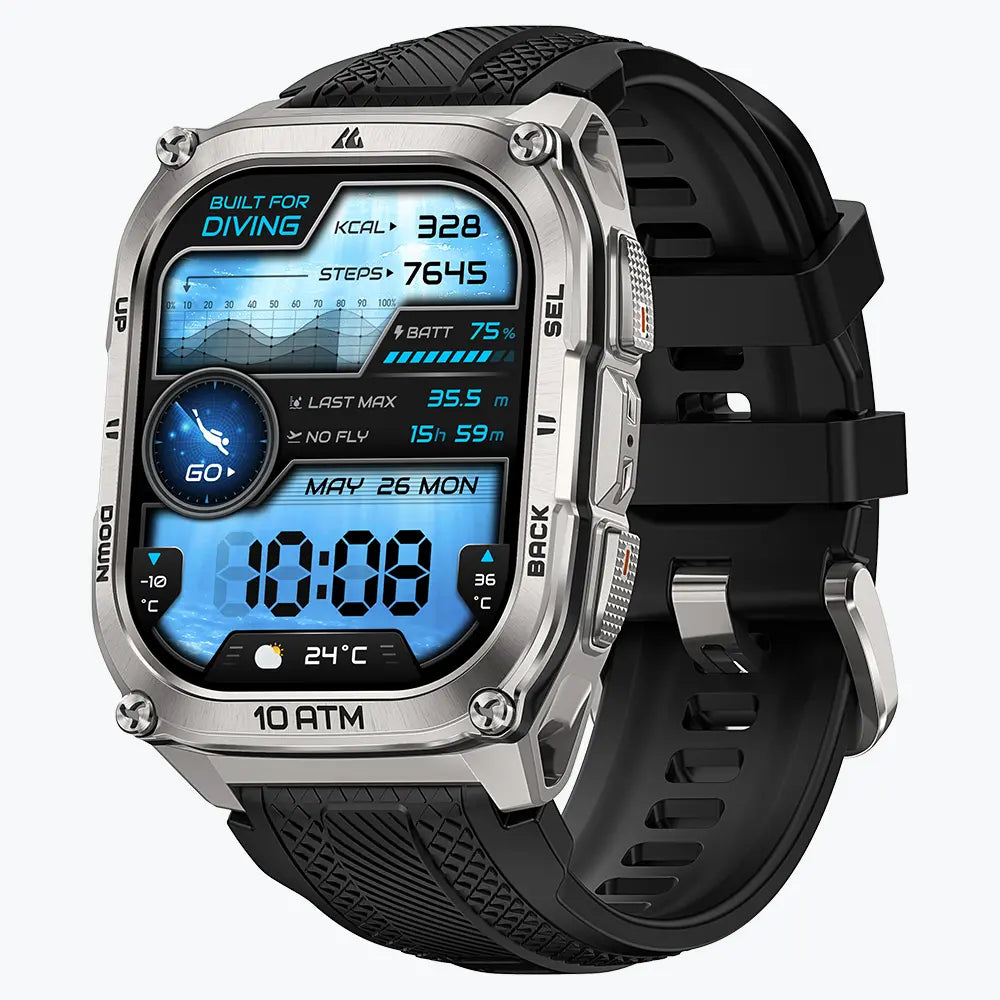
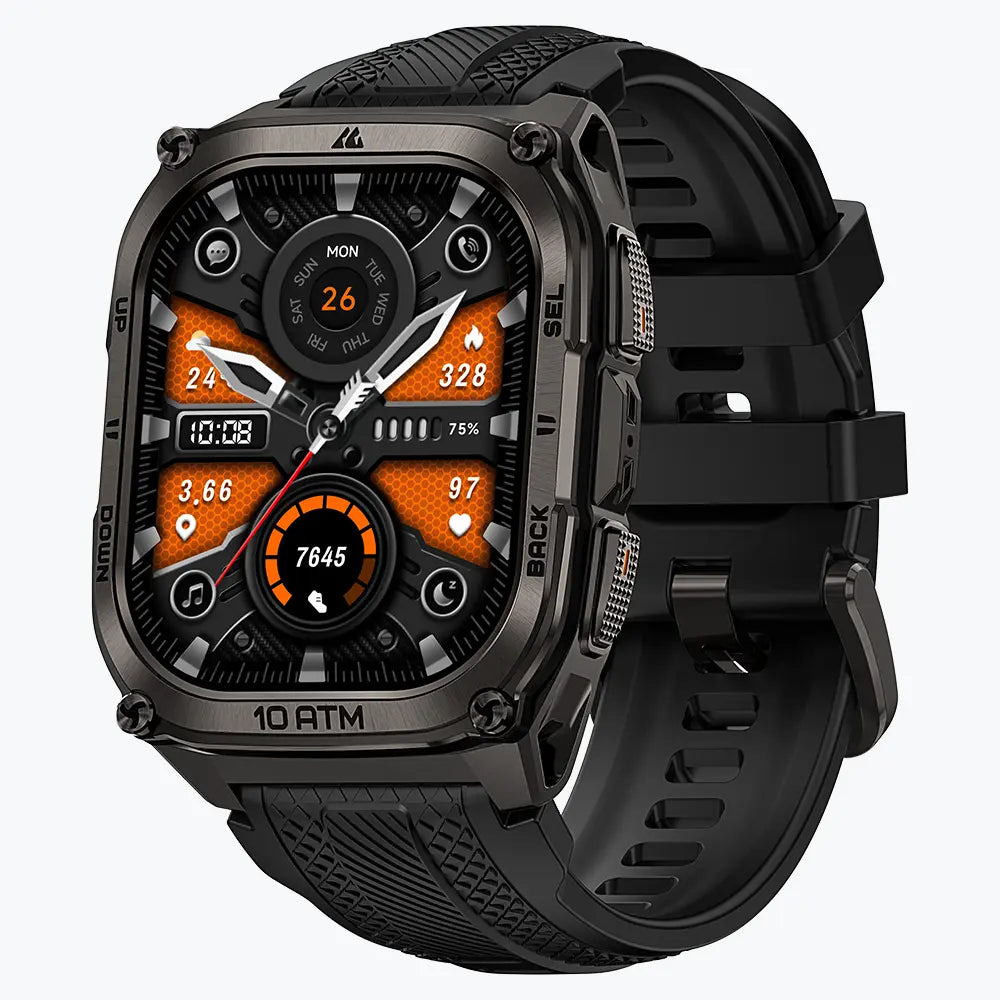
A 10ATM rating, which represents 100 meters of pressure, is the gold standard because it handles this dynamic pressure. It also ensures the buttons will not get stuck after being caked in salty sweat and fine silt over many months of training.
Tip for runners: After a run in mud or salt water, always soak the watch in a bowl of fresh water for 5 minutes. This prevents salt crystals from forming inside the button housing, which is the leading cause of button failure.
Recommended Sports Watch Picks for Trail Running
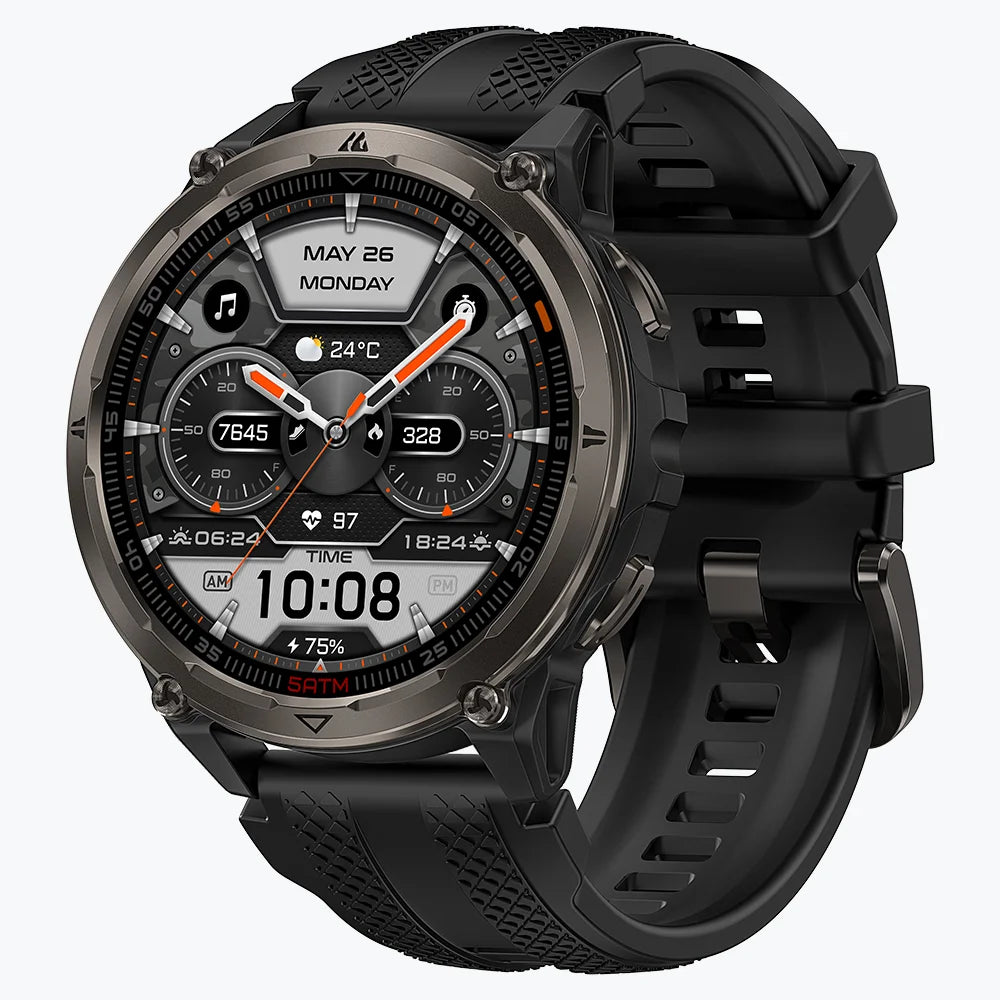
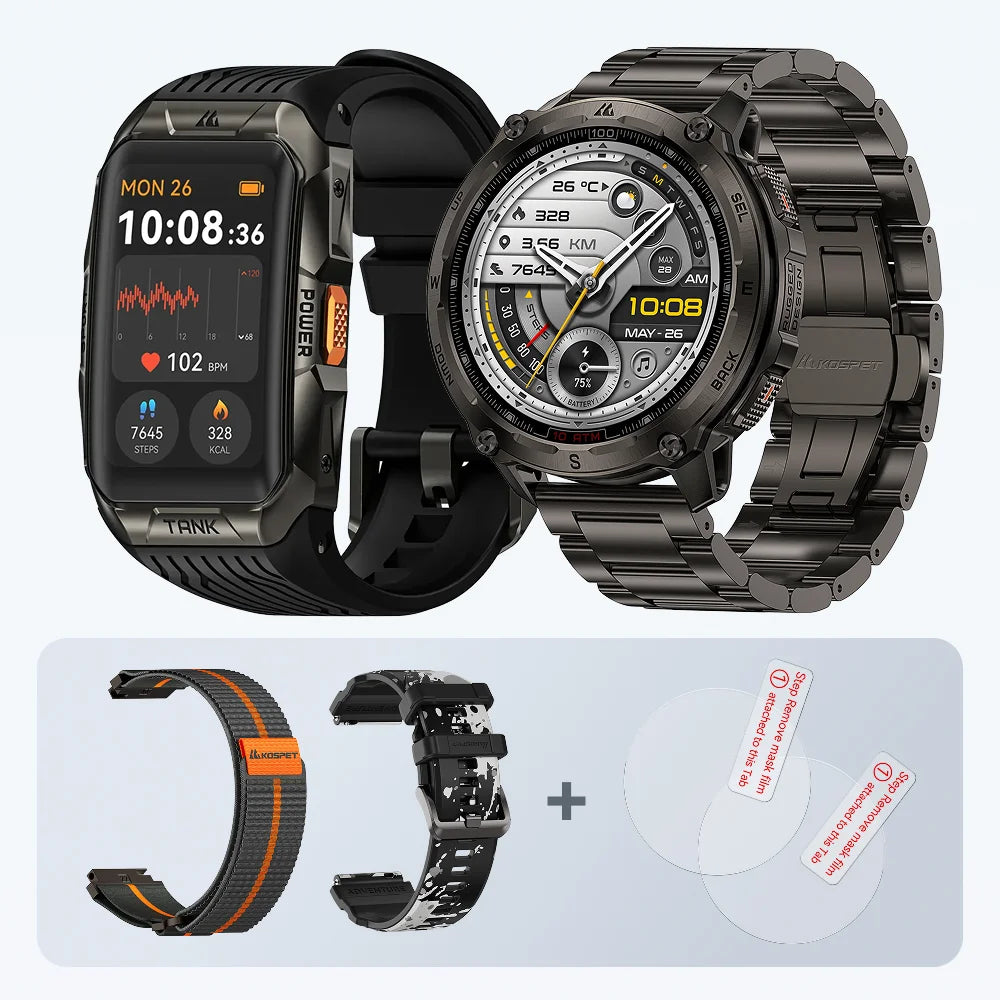
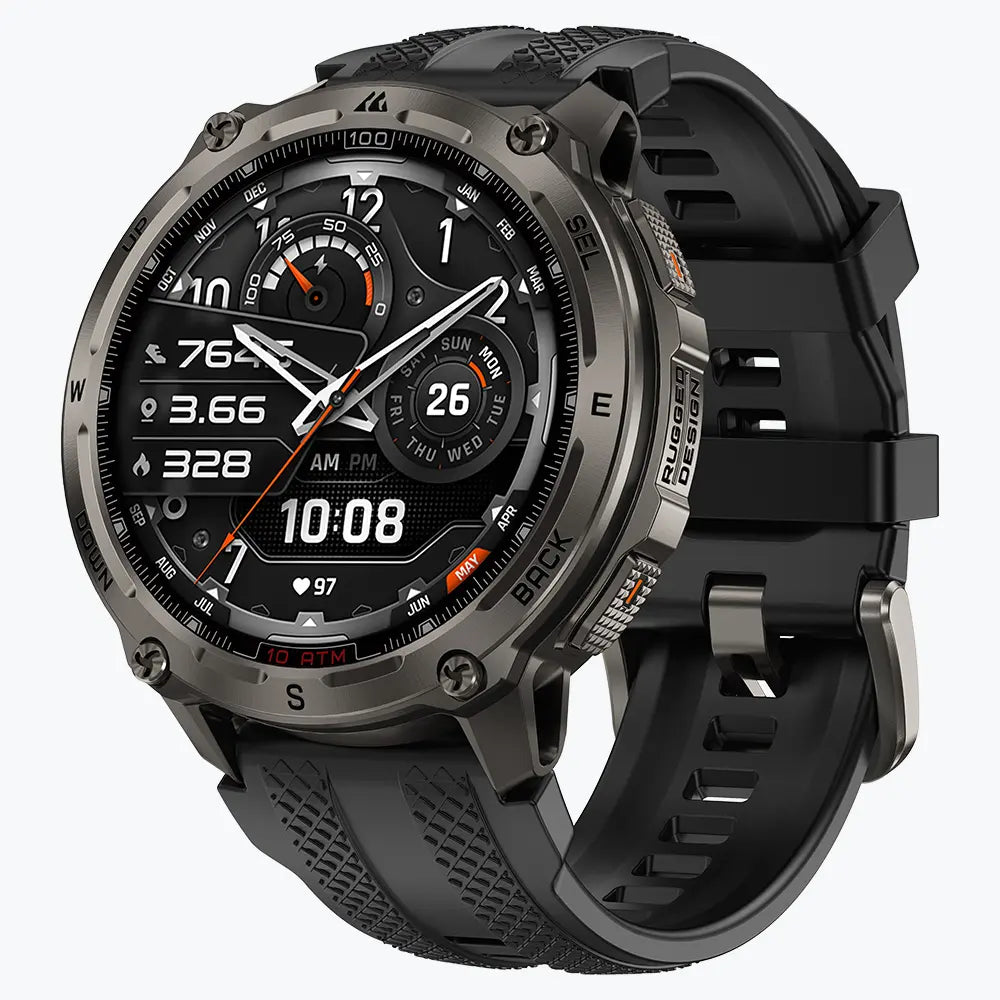
KOSPET TANK T4 for Fast-Paced Trails and Frequent Control Use
KOSPET TANK T4 Smartwatch
$209.99 USD
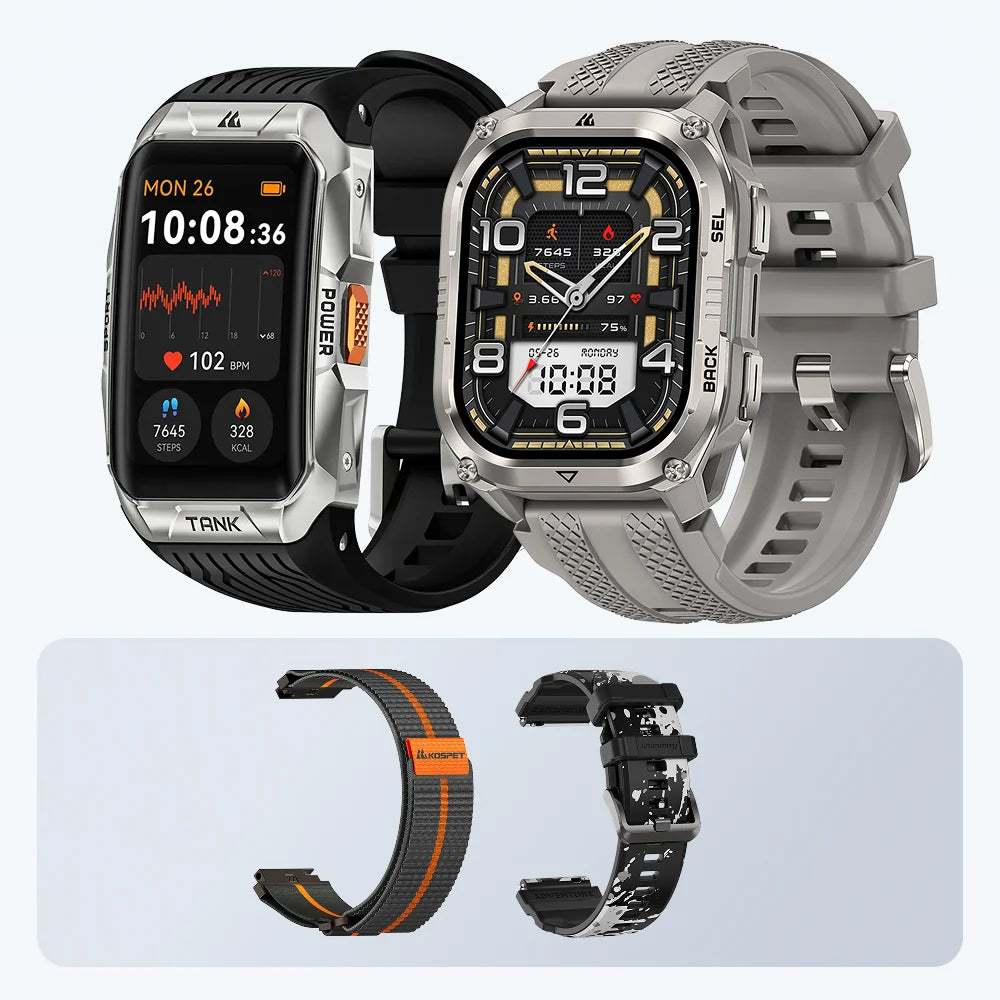
KOSPET T4 fits trail runners who want fast control and clear team coordination on the move.
On technical trails, you switch pace often and make quick choices at forks, climbs, and descents. TANK T4’s offline maps help you stay oriented when the trail is not obvious, so you waste less time stopping to check your phone.
The walkie-talkie feature also supports quick voice contact with teammates, which is useful when you split up on switchbacks or need to regroup without pulling out a phone.
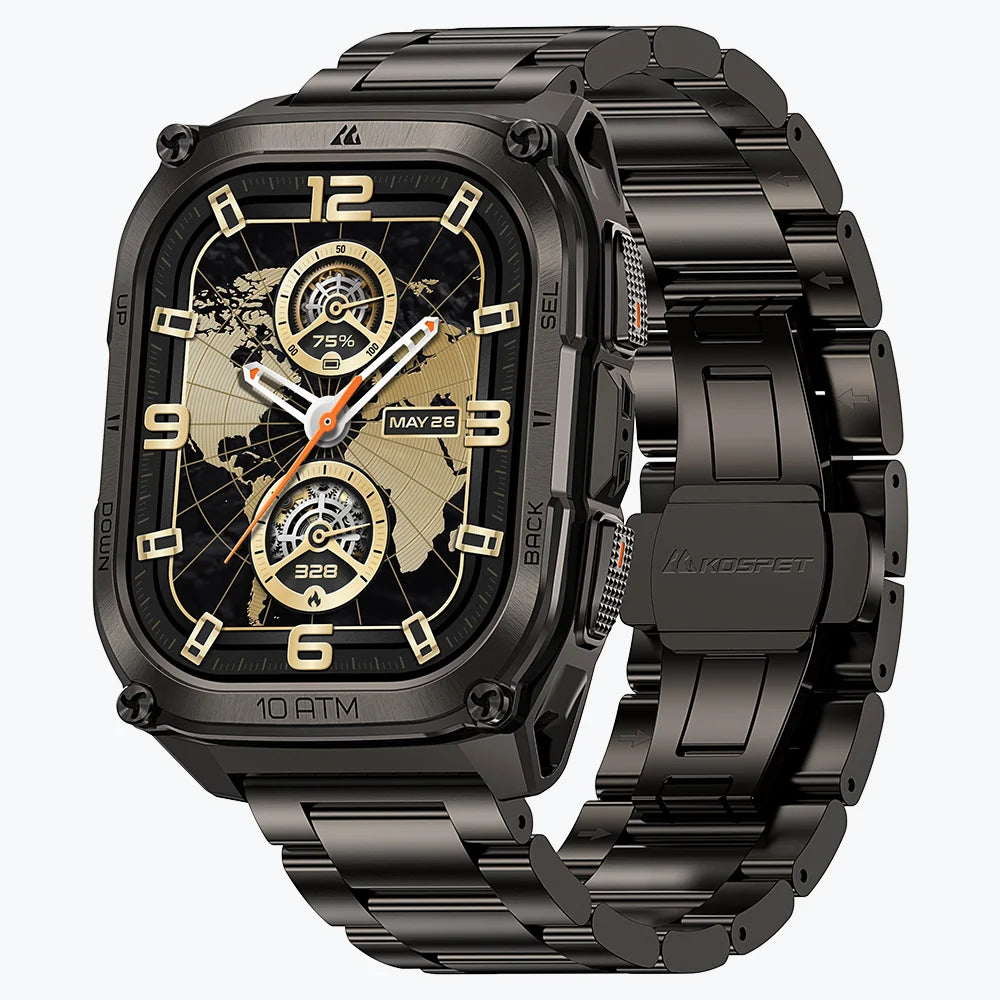
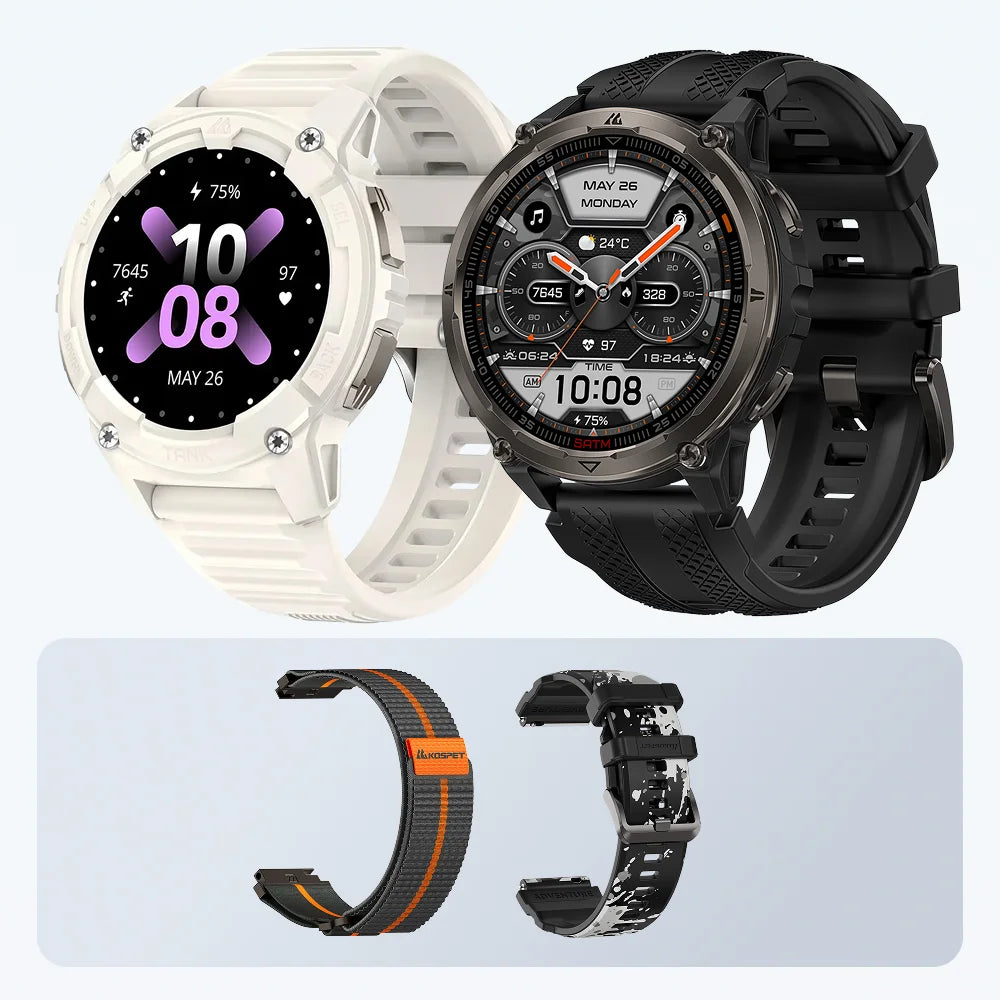
KOSPET TANK T3 for Trail Runners Who Want a Tough Daily Trainer

KOSPET TANK T3 is a practical pick for beginners and daily trainers who want solid trail capability at a better value.
If you are building a routine, you need a watch you can wear often, not one you save for “big days.” TANK T3 supports everyday training and weekend trails without feeling like overkill. It keeps things simple for new runners who want steady tracking and a durable build, while still being friendly on budget.
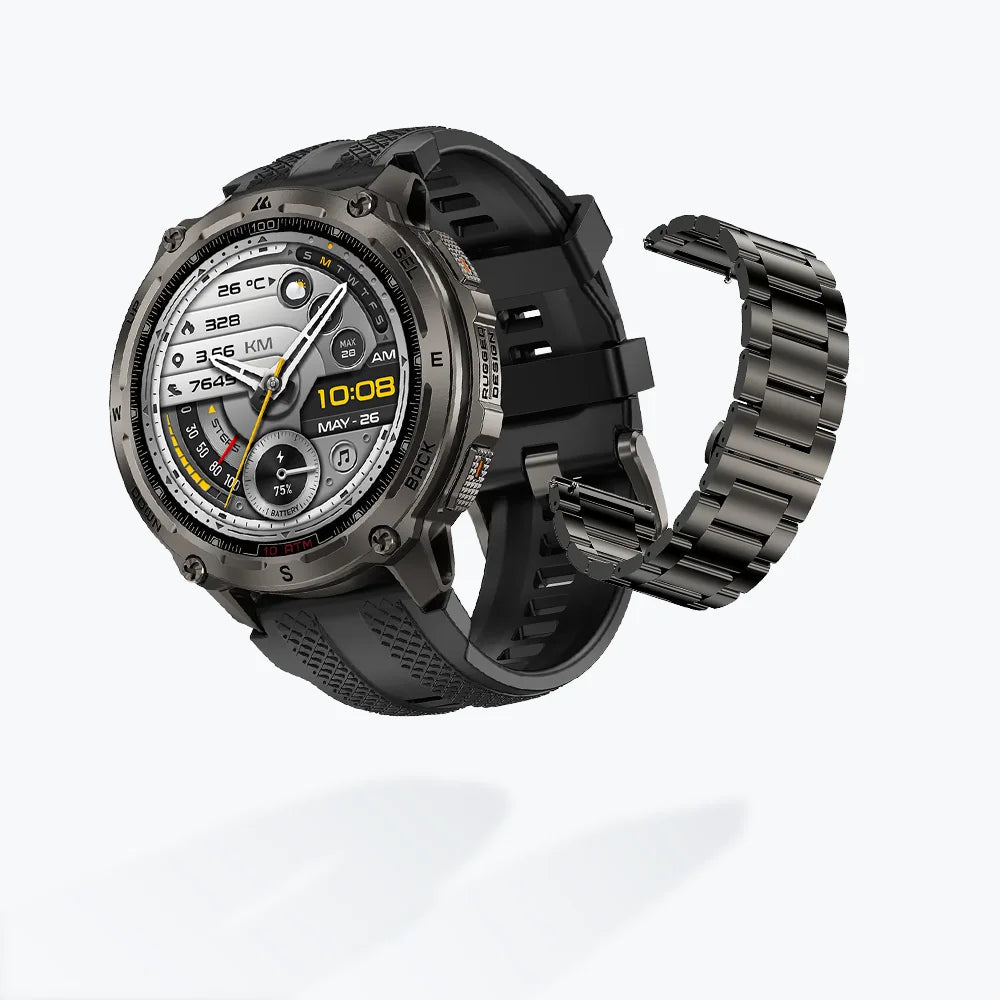
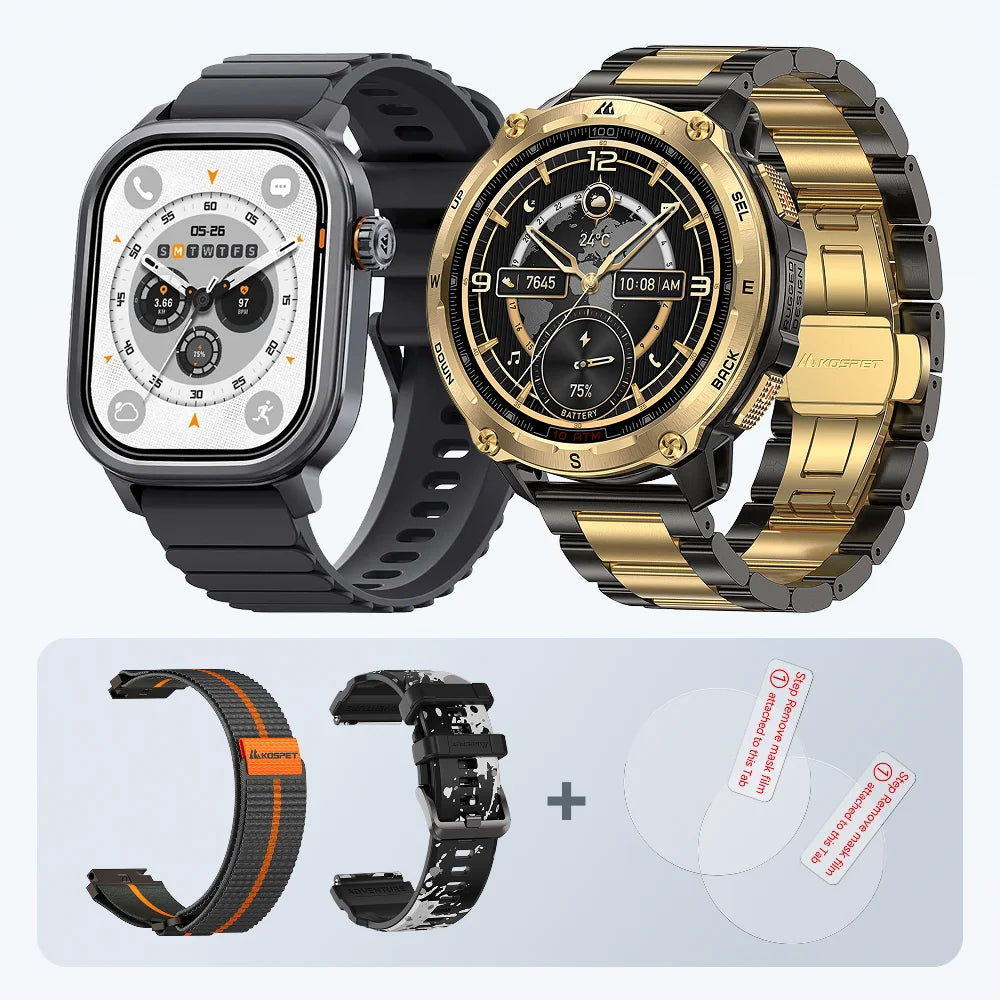
KOSPET TANK T3 Ultra 2 for Longer and More Demanding Trail Runs

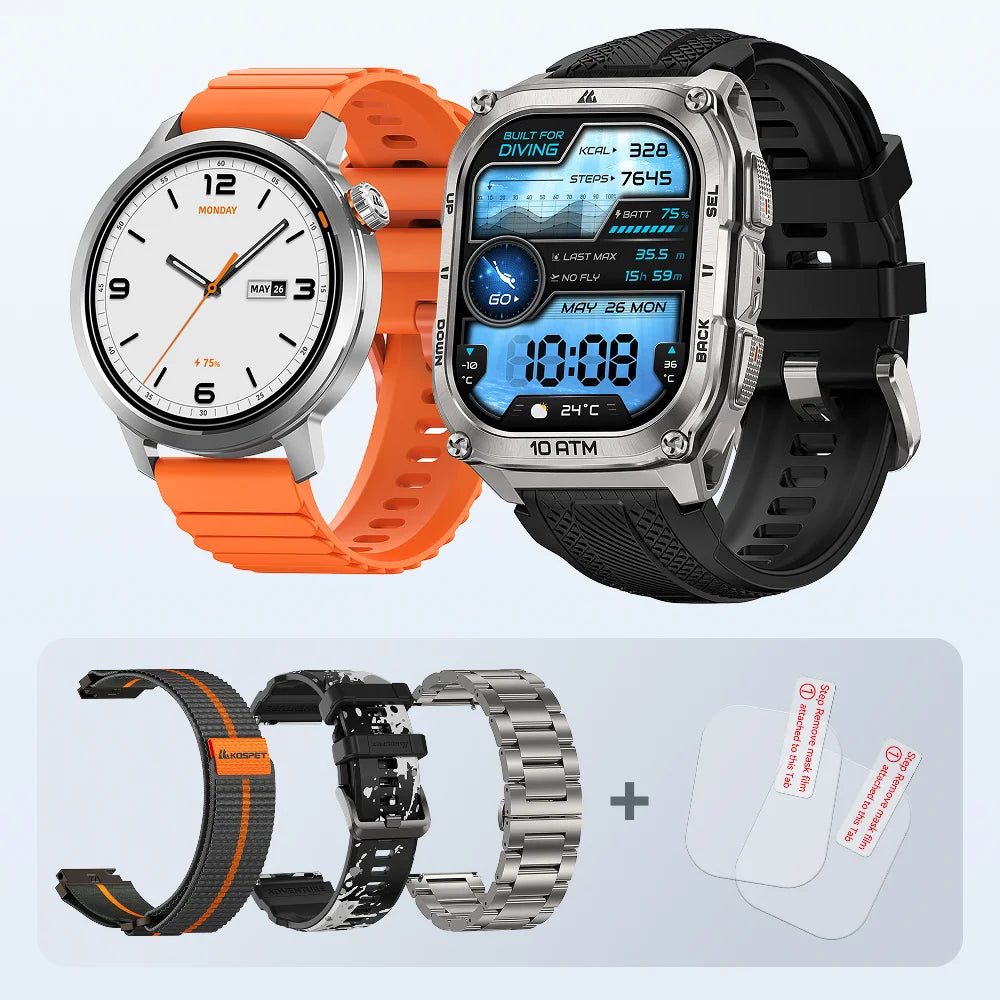
KOSPET TANK T3 Ultra 2 is the better fit when you rely on GPS and need extra toughness for hard trail use.
On longer trail runs, GPS matters because wrong turns cost time and energy. T3 Ultra 2 is built for outdoor use and supports GPS tracking, which helps you keep a clean record of where you went and how far you ran. Its rugged design also fits rough conditions where bumps, dirt, and repeated outdoor use are normal.
Conclusion
A good sports watch for trail running should stay reliable when conditions change. Focus first on control reliability, display clarity, durability, battery confidence, and protection against the elements.
When a watch supports these needs, it fades into the background and lets you focus on the trail ahead. Choosing the right sports watch means choosing one you trust when the run stops being predictable.
FAQ
Why do I need a barometer in my watch if I already have GPS?
GPS is great for horizontal distance, meaning left and right, but it is not very accurate for vertical distance, which is up and down. A barometer measures changes in air pressure to tell you exactly how high you have climbed. This is much more accurate for calculating your total ascent during a mountain run.
Is a 10ATM rating actually necessary for running?
While you are not diving 100 meters deep, the 10ATM rating is about pressure. If you fall into a stream or wash your watch under a high-pressure faucet, the 10ATM seal ensures no water gets forced into the buttons or sensors. It makes the watch much more durable for long-term use in mud and rain.
What is the difference between Single-Band and Dual-Band GPS?
Single-band GPS can get confused when signals bounce off cliffs or tall trees. Dual-band GPS uses two different frequencies, known as L1 and L5, to double-check the signal. This makes your running path on the map much smoother and keeps your pace data from jumping around while you are in the woods.