
The Best KOSPET Customer Support Across All Platforms
Live chat and email support for smartwatch- related assistance.
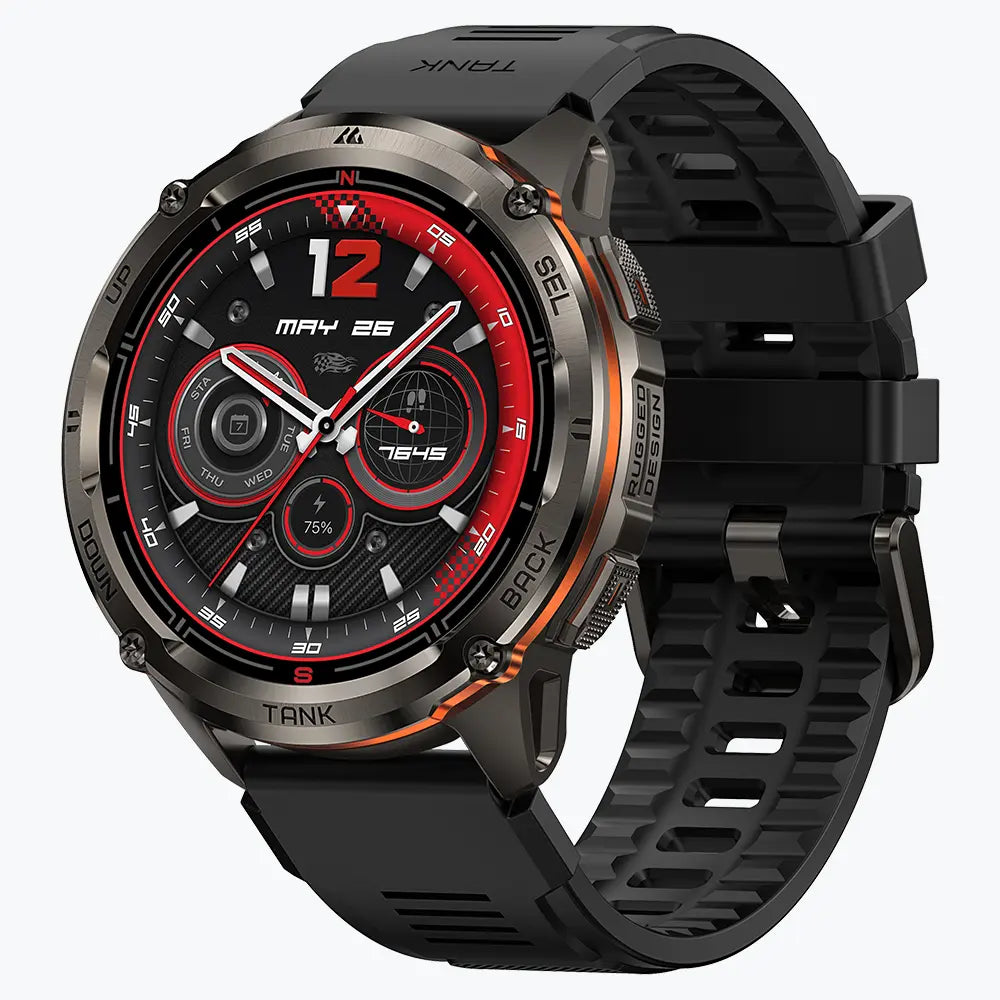
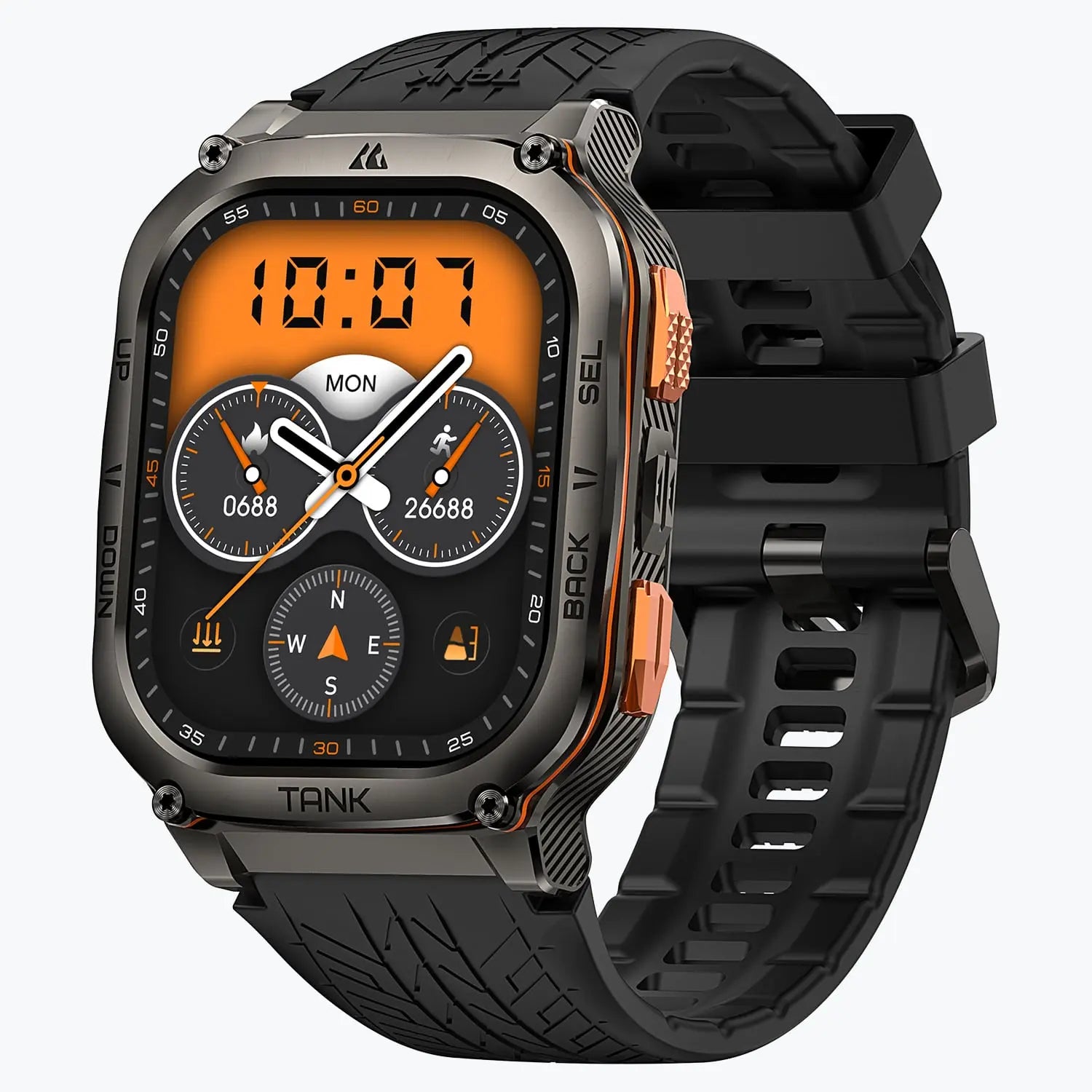
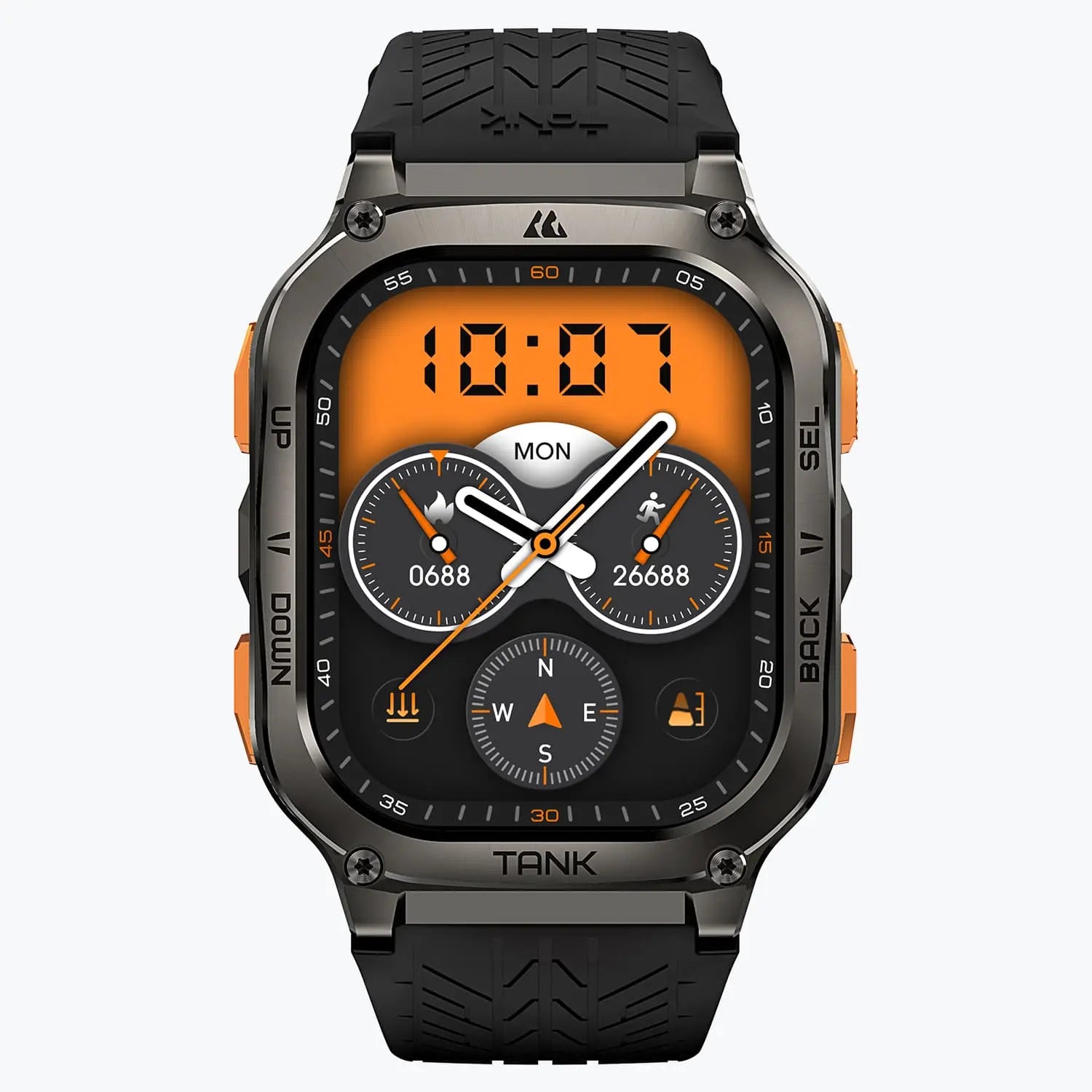
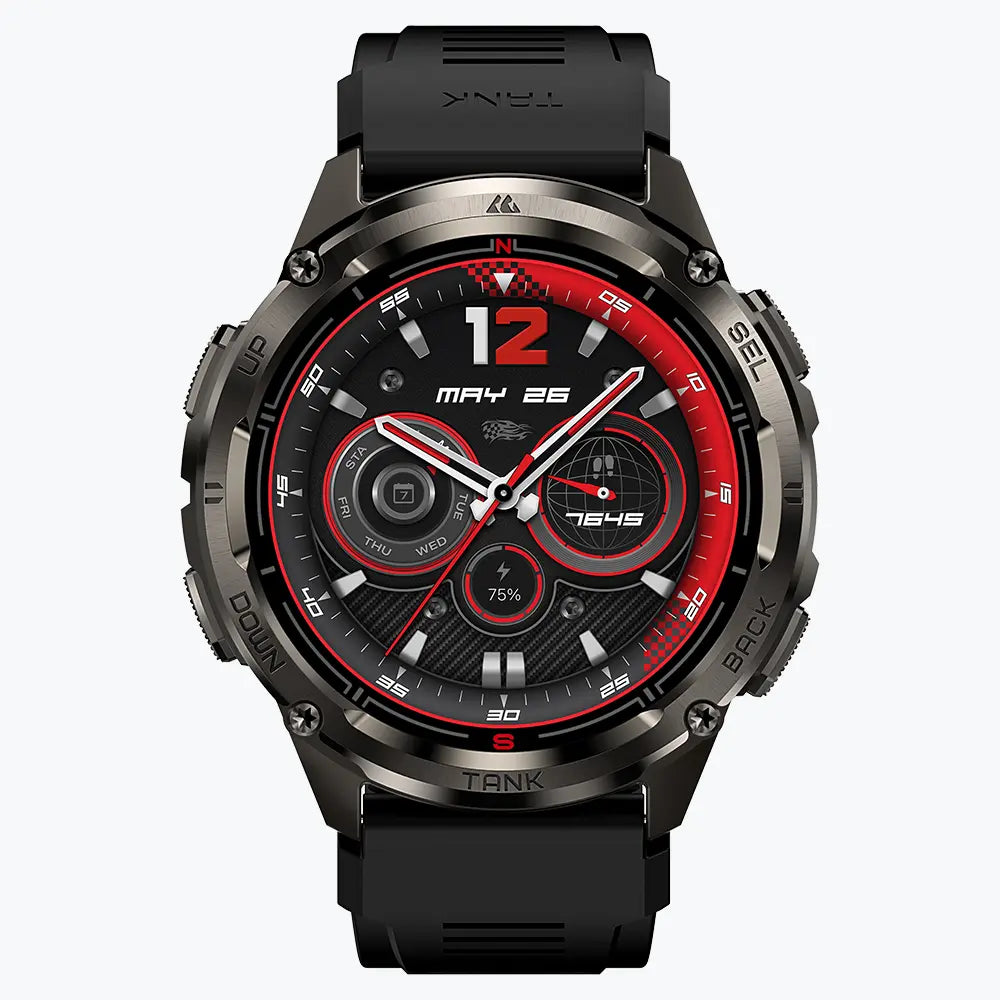
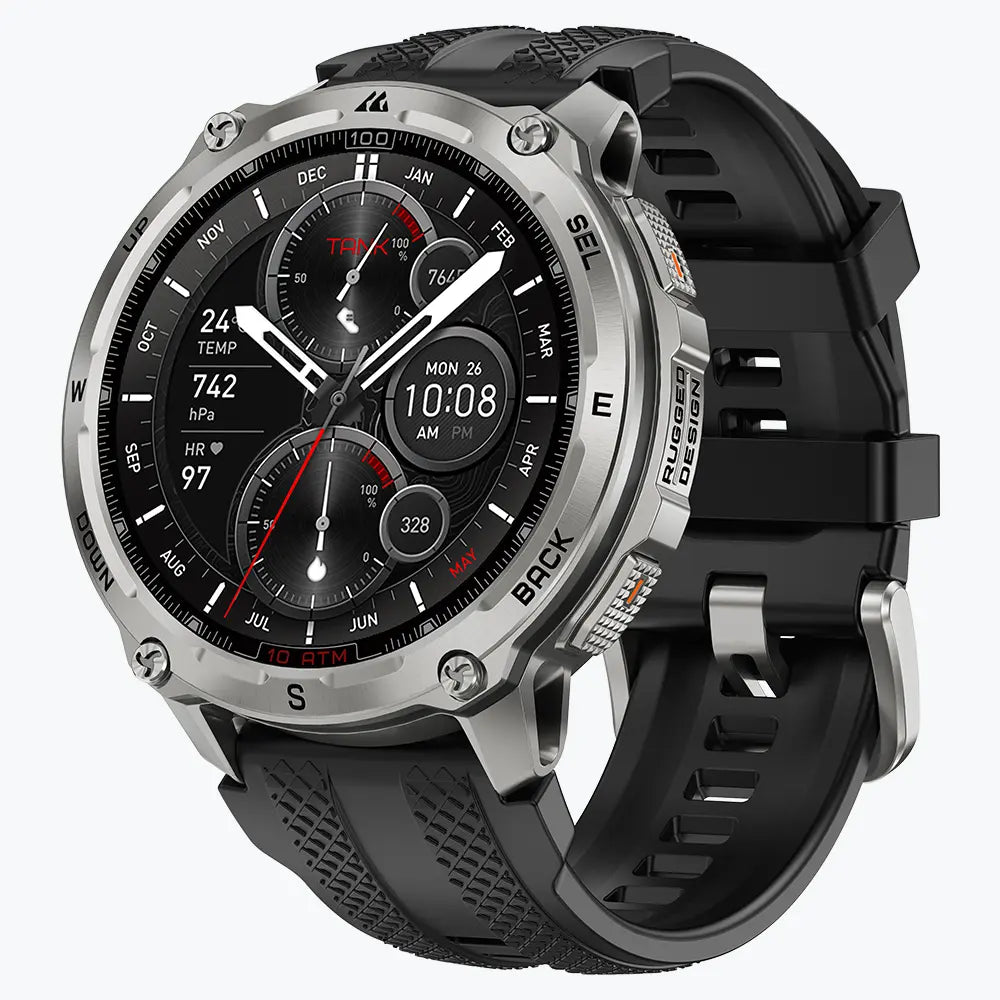
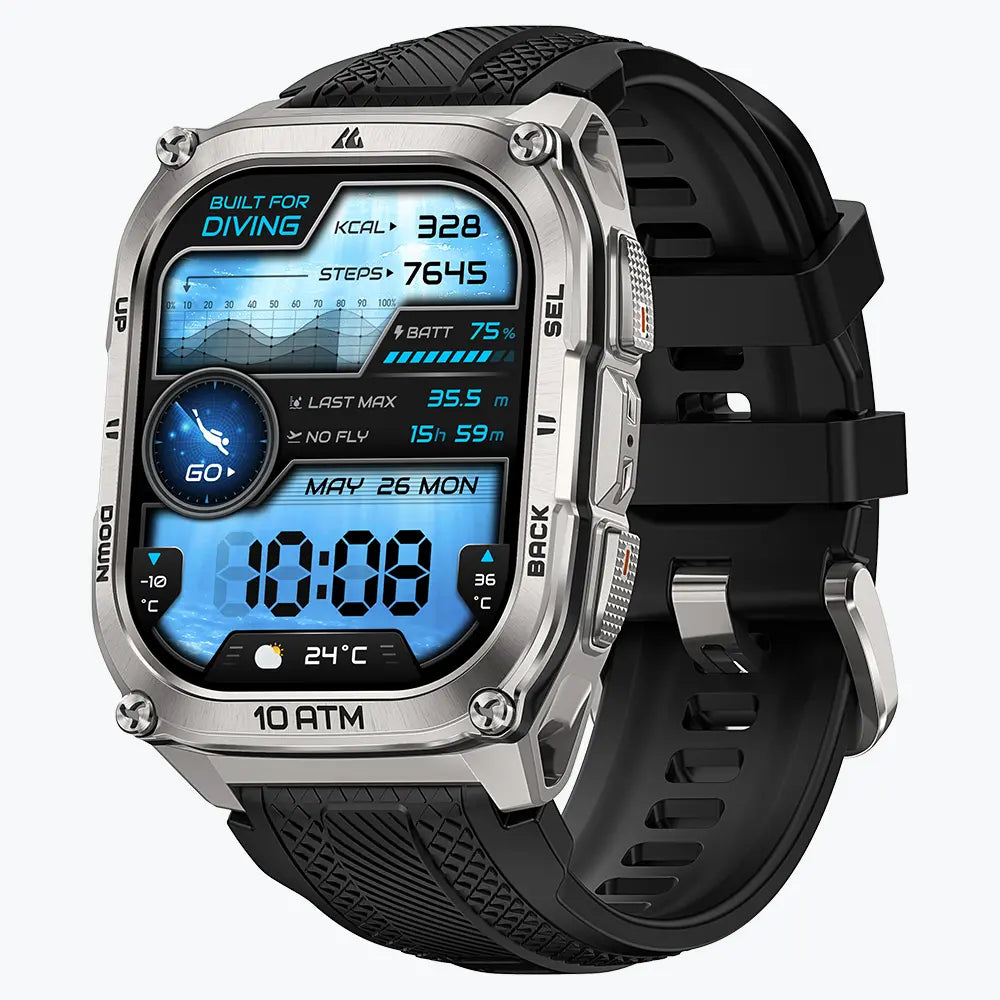
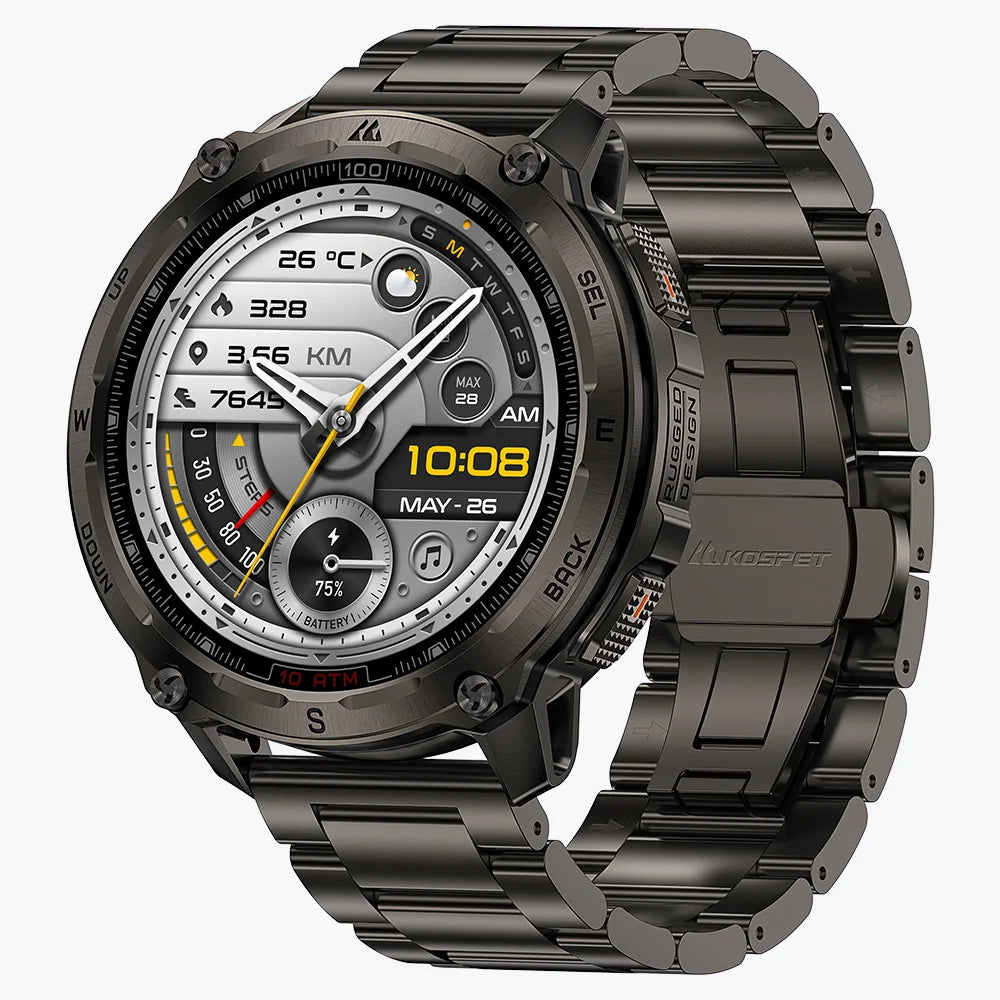
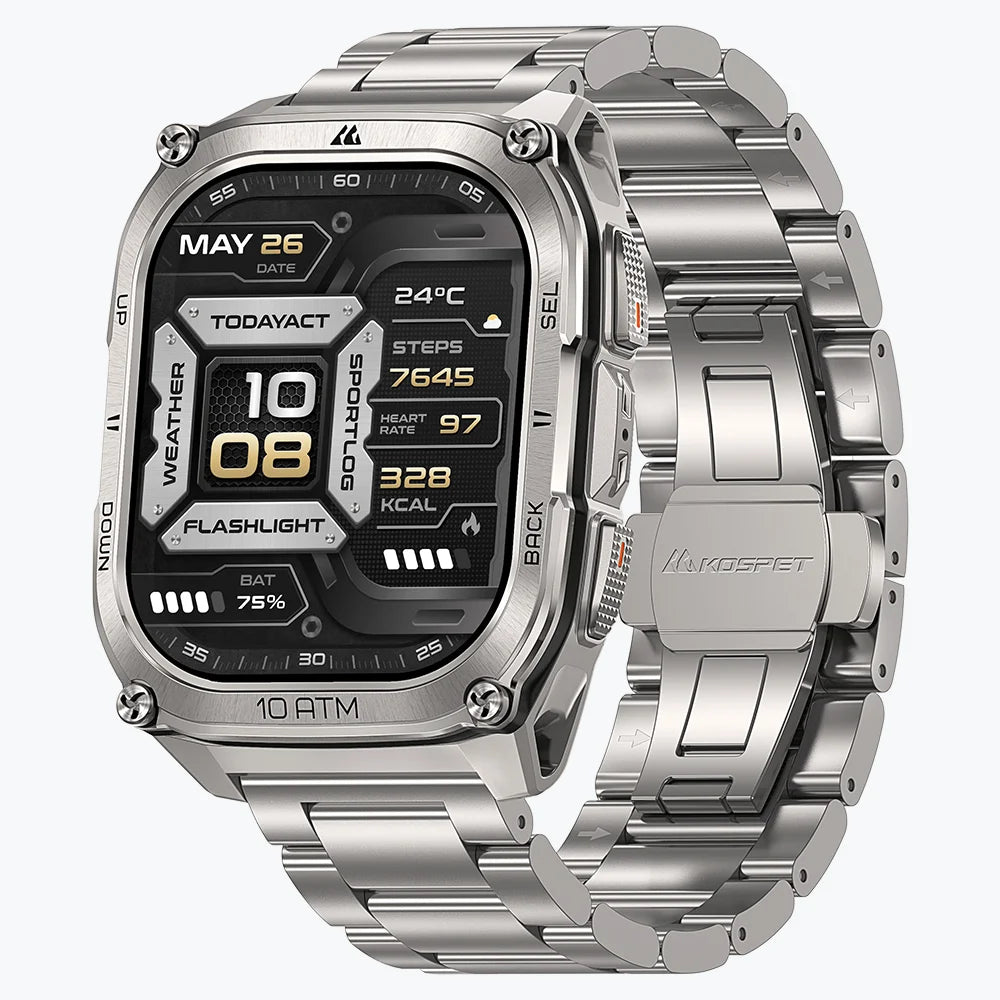
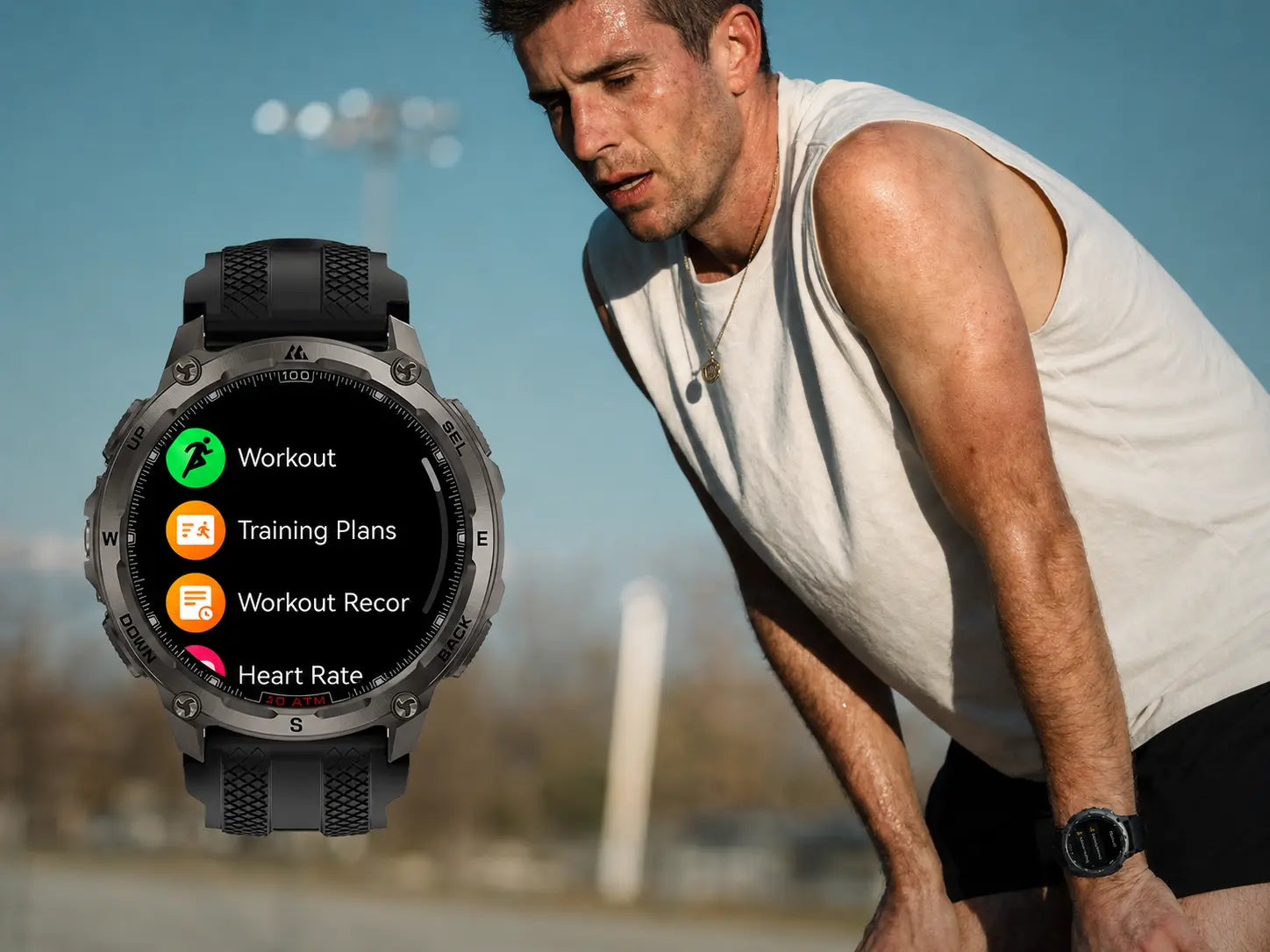
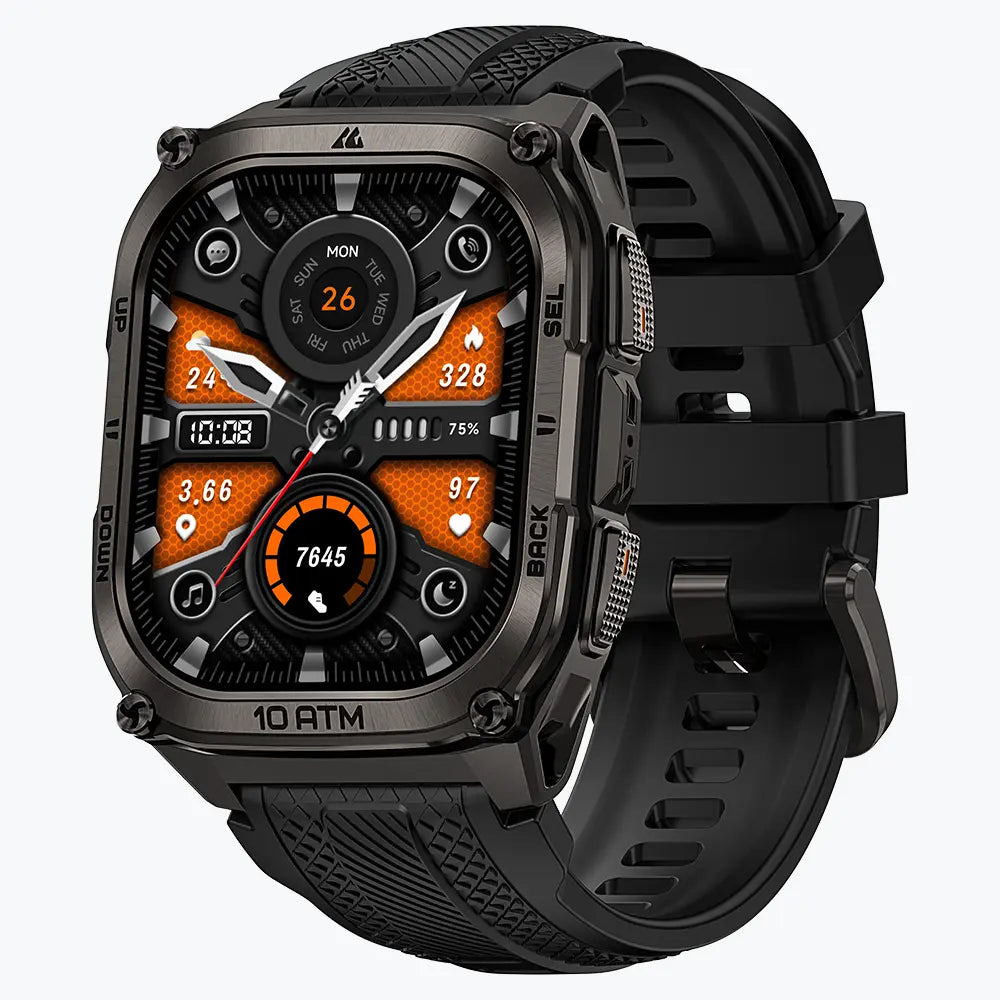
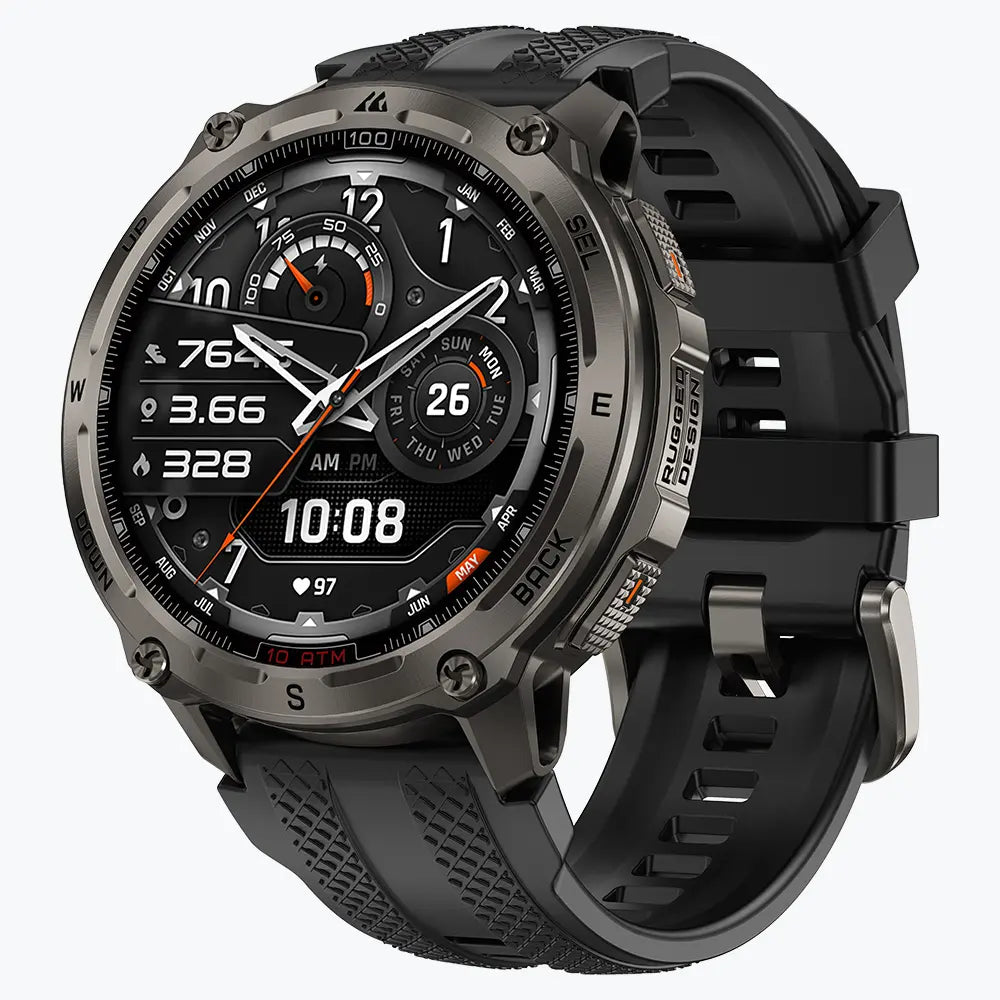
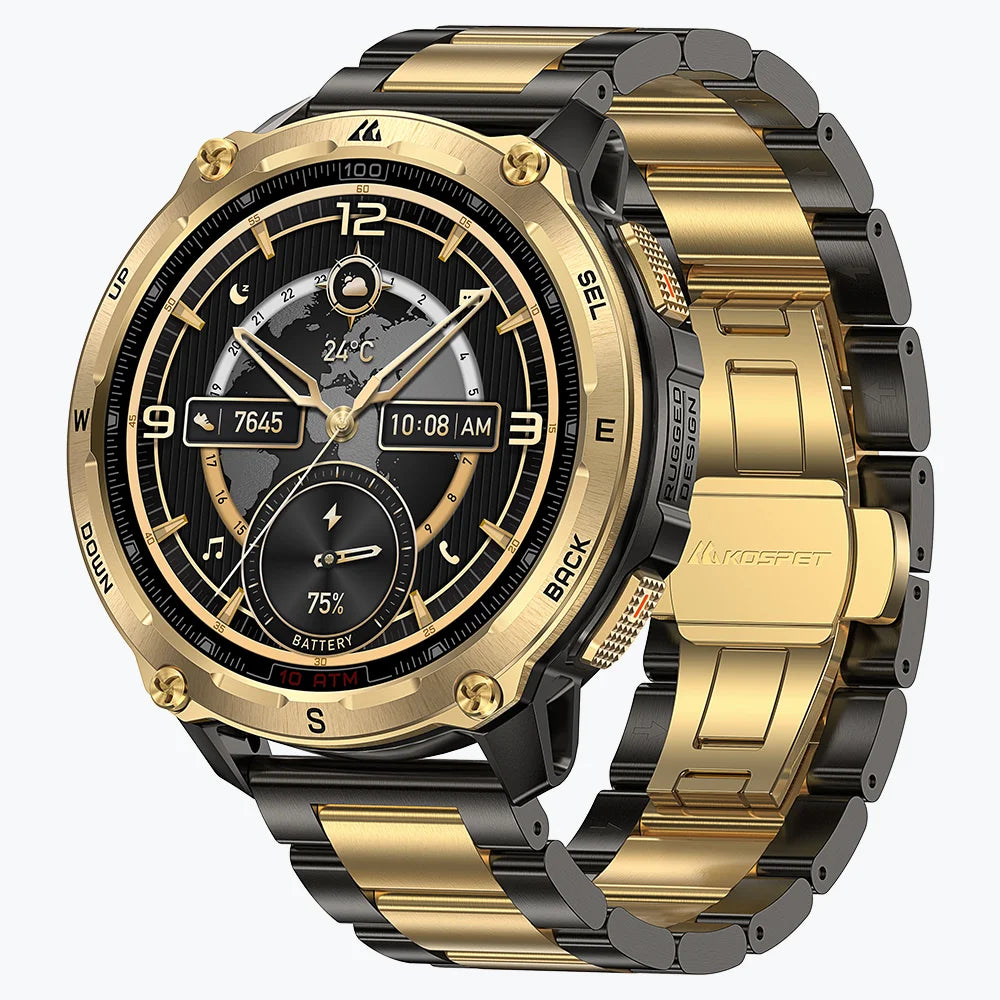
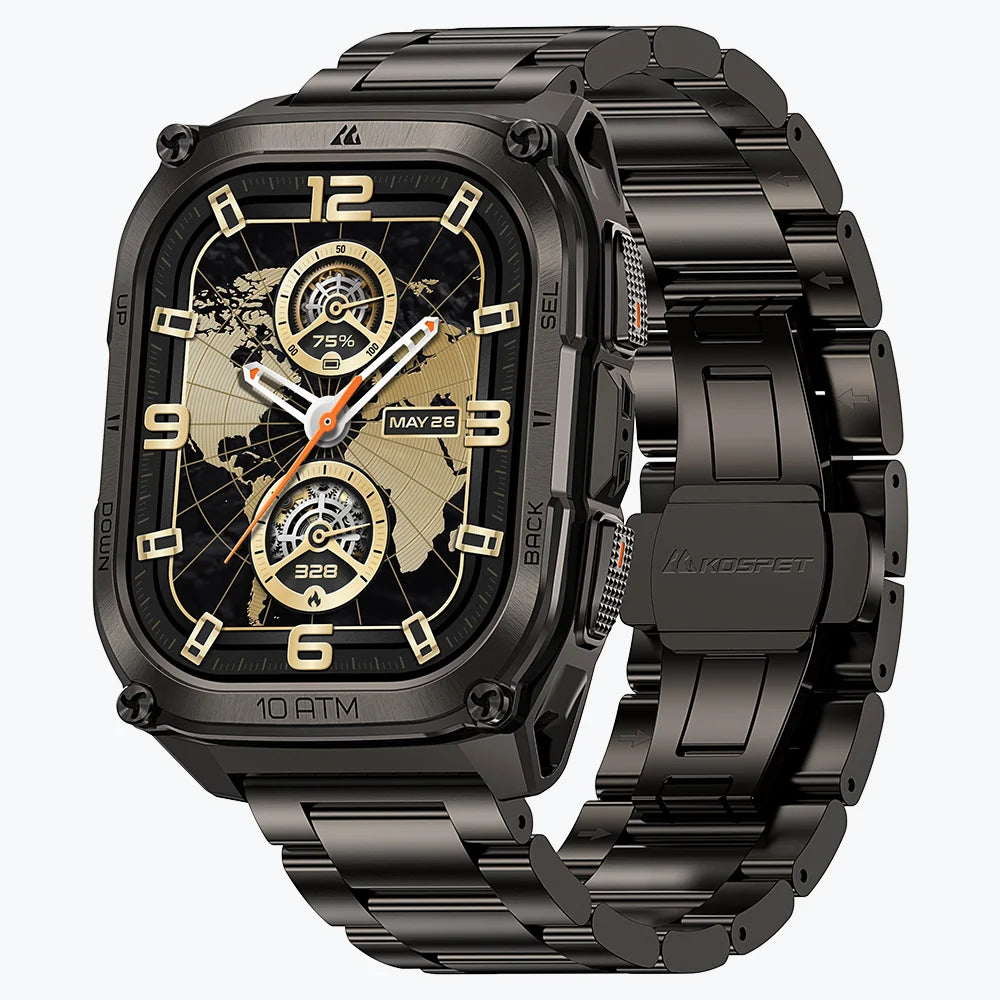
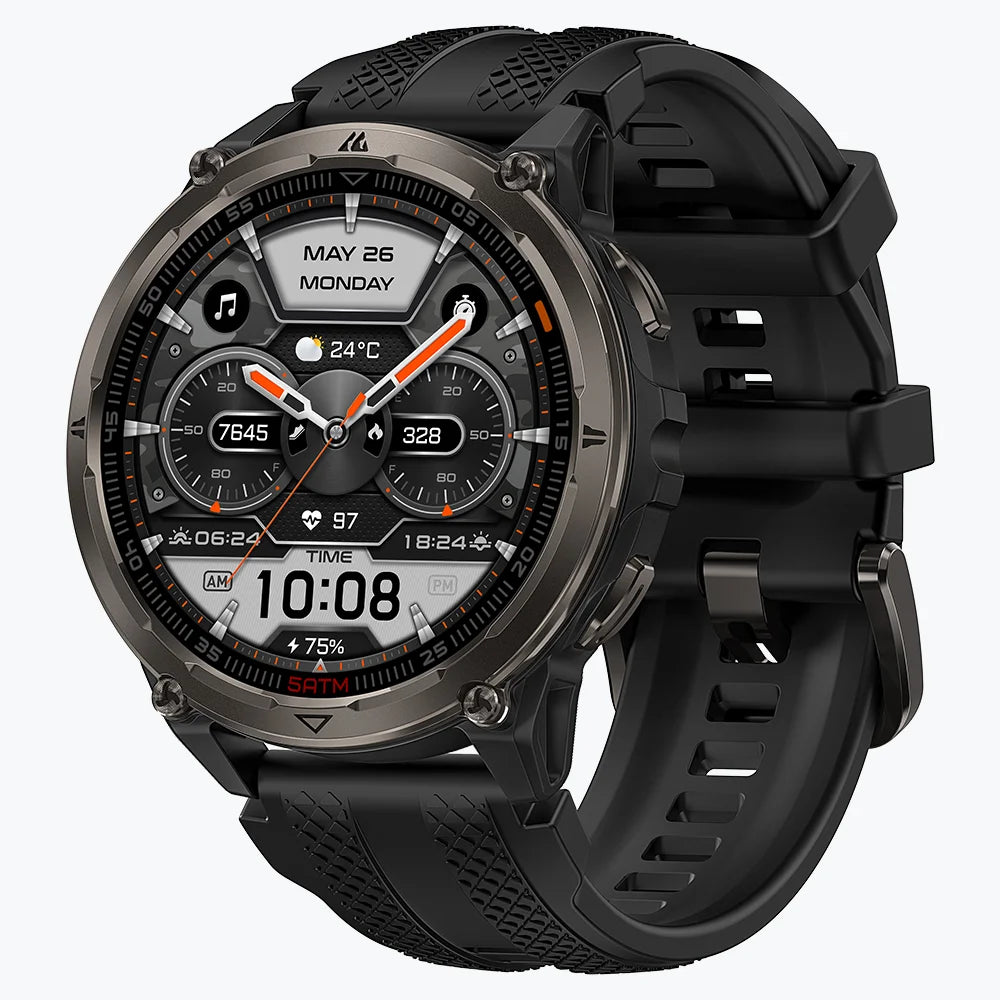
KOSPET running watches are built for people who need a tougher watch for outdoor training, trail runs, demanding workdays, and off-road exploration. With rugged design, GPS tracking, heart rate monitoring, long battery life, offline maps, and music storage, they are made for harder conditions beyond basic daily runs.

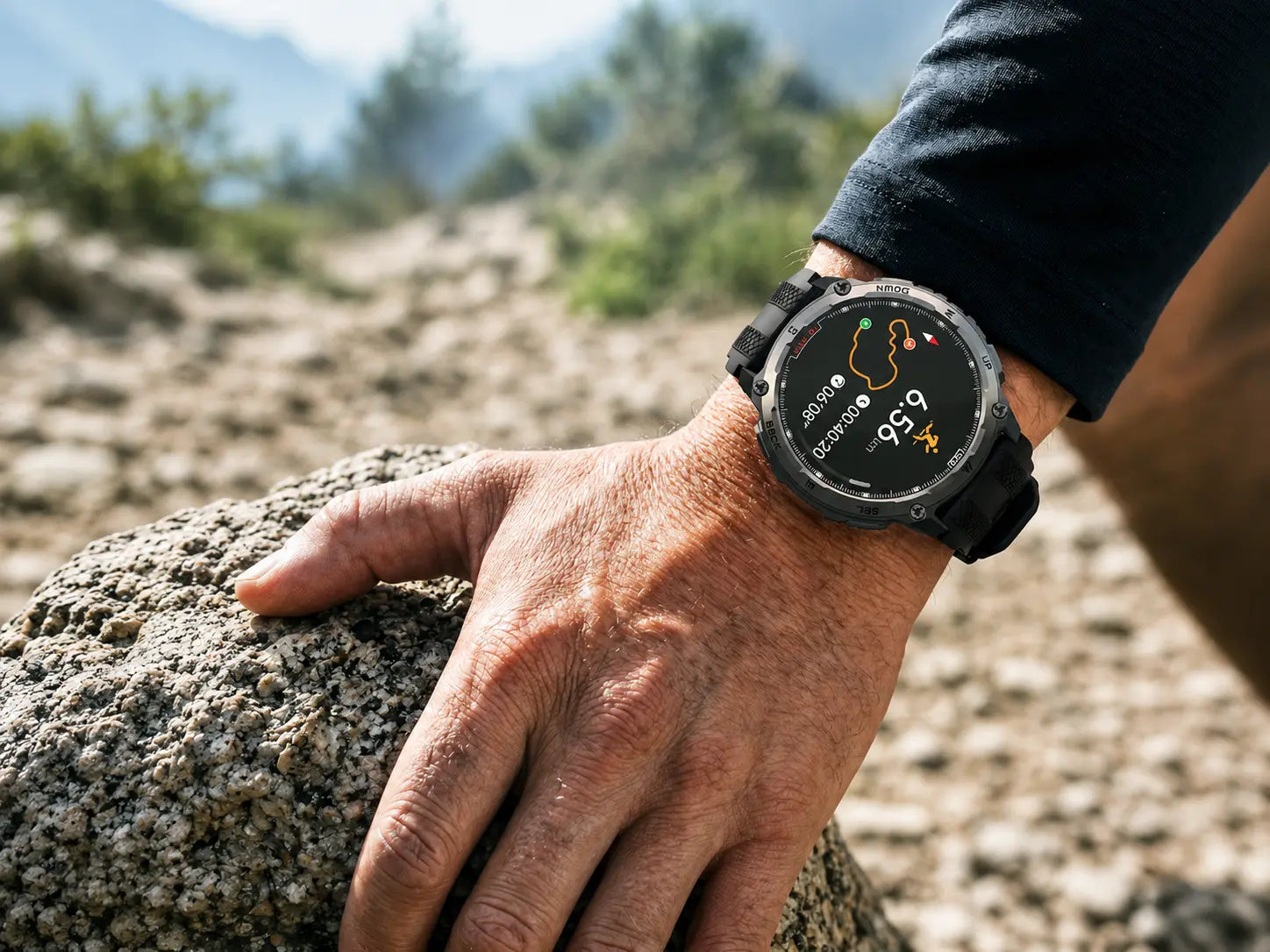
Military-grade durability helps a running watch handle the impact, weather, and wear that come with outdoor training. It is better suited to rougher ground, wet conditions, and repeated use beyond everyday runs. For runners, that means a watch built not just to track, but to keep up with harsher running environments.

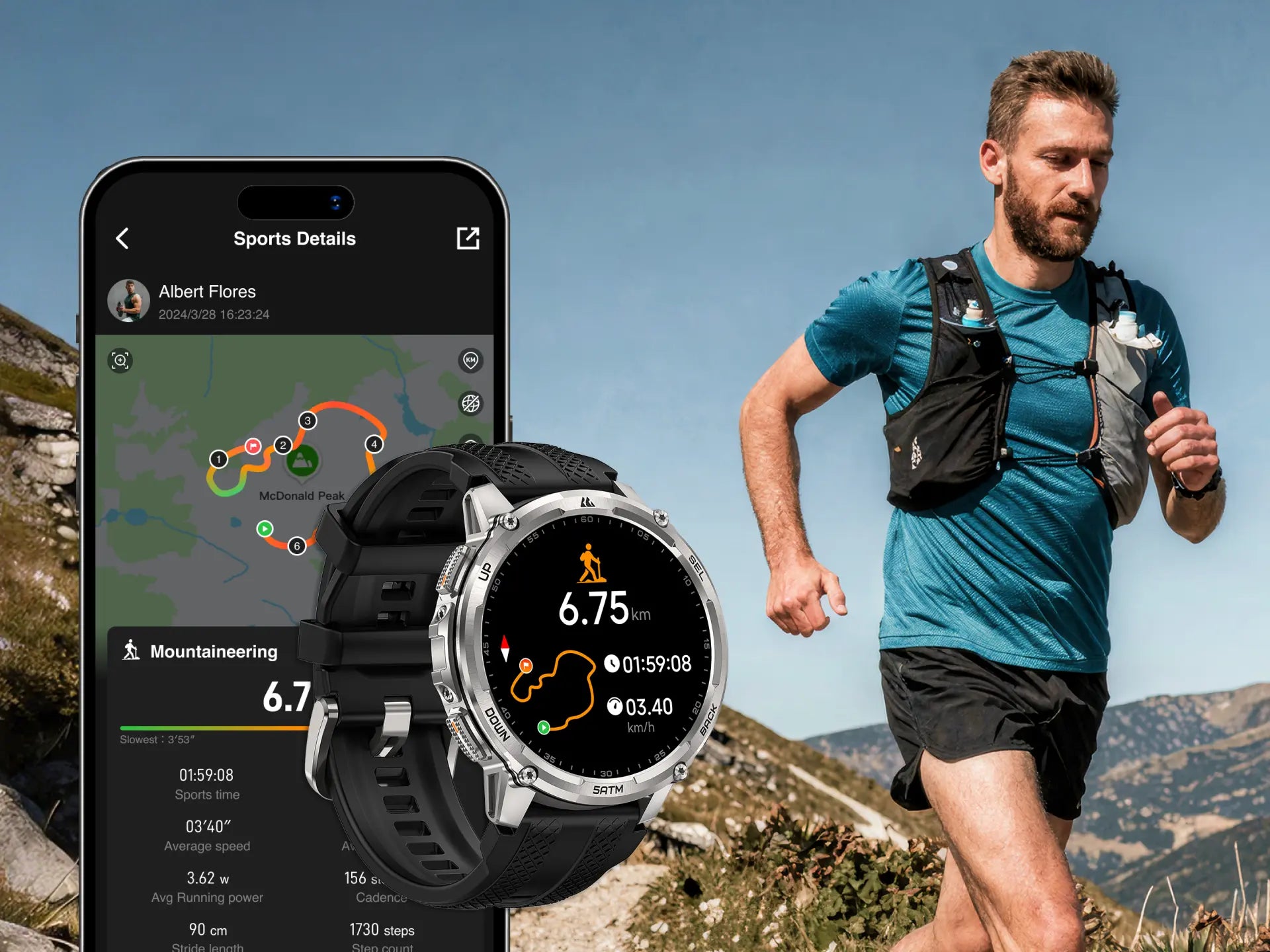
From crowded city streets to tree-lined trails, every run deserves tracking you can trust. With L1+L5 dual-band GPS and support for six satellite systems.
KOSPET running watches help keep your pace, distance, and route data more accurate, so you can focus on running instead of second-guessing your stats.

When your run takes you onto unfamiliar roads, remote paths, or new outdoor routes, staying on course becomes more important.
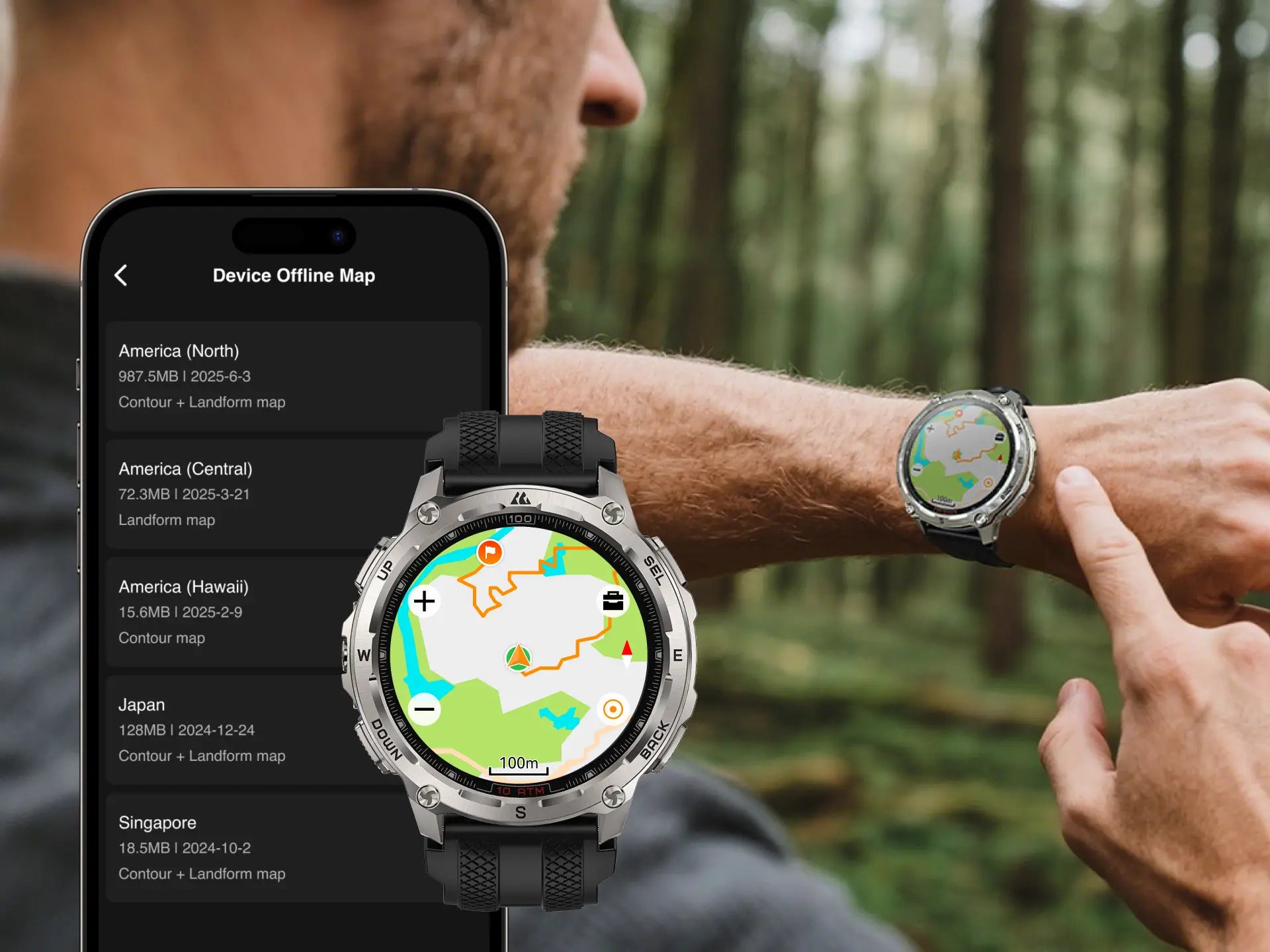
On supported KOSPET Smartwatches, offline maps can be downloaded to the watch in advance, with GPX/KML route import and route or location-point selection to help guide your run directly from your wrist.
A running smartwatch is a watch built to support running with features that matter during training, such as GPS tracking, pace and distance data, heart rate monitoring, route support, and longer battery life. Compared with a regular smartwatch, it is designed more for outdoor workouts and running progress, helping runners track performance more accurately and stay focused during each run.
Yes, especially if you run in new areas, take longer outdoor routes, or do not want to keep checking your phone. Offline maps are not just for hiking. They can make running feel more confident and less interrupted when you are following a route through city streets, parks, or unfamiliar roads. On selected KOSPET running watch models, imported offline maps add practical value by helping runners stay on course directly from the watch.
Beginners should pay attention to the features they will actually use: GPS, pace, distance, heart rate, comfort, and battery life. At this stage, a running watch should make training simpler and more consistent, rather than adding too many advanced tools that are not necessary yet.
Yes, if you run outdoors. GPS is what makes a running watch truly useful for tracking pace, distance, and route without depending on your phone. It helps turn each run into something you can actually measure, compare, and improve. For runners who train on roads, parks, or unfamiliar routes, GPS matters because it gives a more complete picture of how far you ran, how fast you moved, and where the run actually happened.
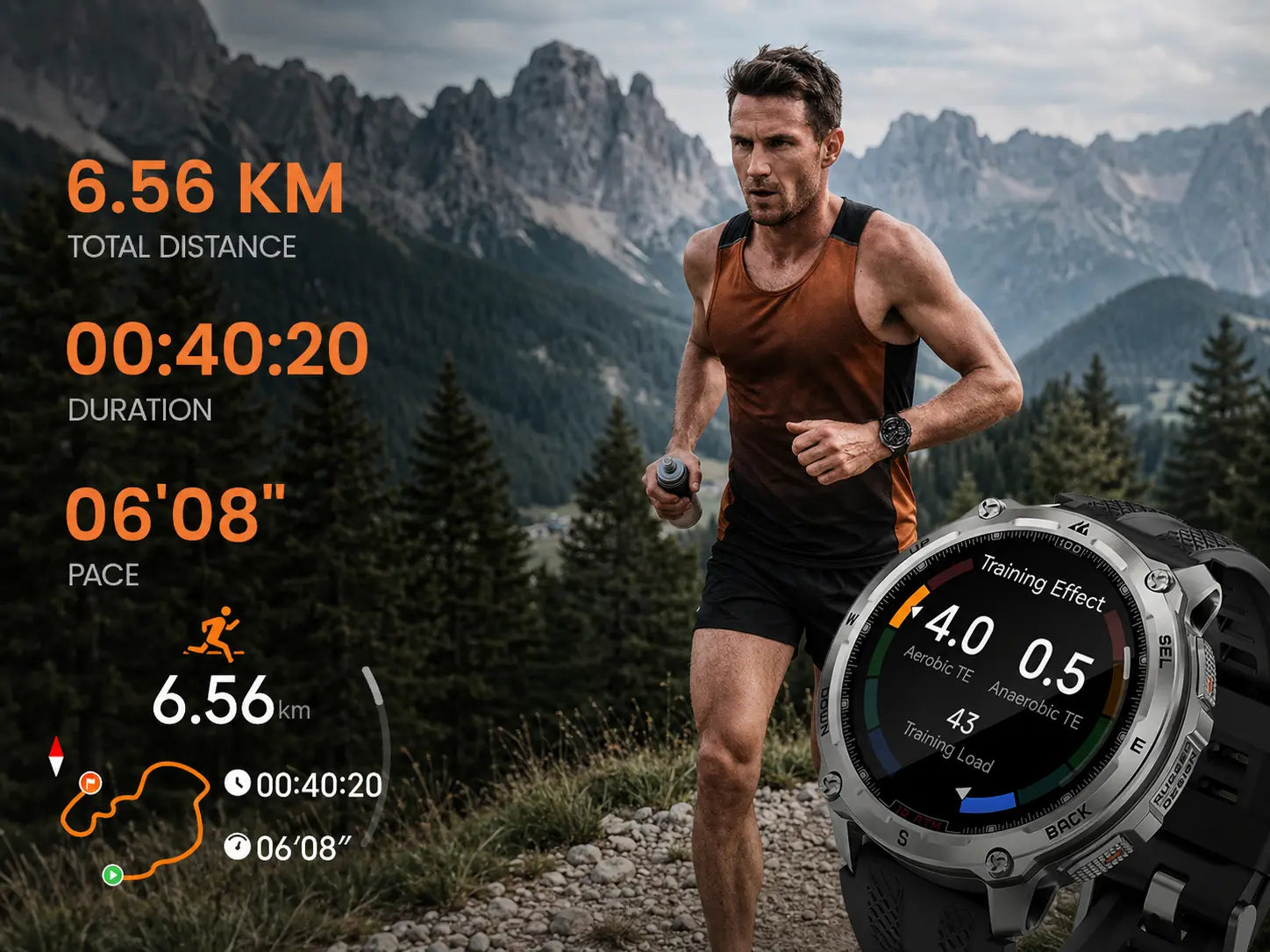
Yes. A running smartwatch can improve training by helping you control pace, track distance more accurately, and understand whether you are running too fast, too hard, or inconsistently. For beginners, that means fewer “every run feels random” workouts. For more regular runners, it makes it easier to repeat routes, manage effort on long runs, and review training after each session.
A KOSPET running watch is especially useful when you want practical support during outdoor runs, with GPS tracking, route navigation on selected models, long battery life, and music playback that can make training feel more focused and less dependent on a phone.
Yes. Heart rate tracking is important because it helps runners understand how hard the body is actually working, not just how fast they are moving. Two runs at the same pace can feel very different depending on fatigue, heat, fitness level, or recovery, and heart rate gives extra context that pace alone cannot show.
For beginners, it can help avoid pushing too hard too early. For regular runners, it can be useful for keeping easy runs easy, long runs more controlled, and training effort more consistent over time.
For most runners, at least 8 to 10 hours of GPS battery is a practical starting point. That is usually enough for several short runs each week plus a longer weekend run.
If you run more regularly, train for longer distances, or do long outdoor workouts, 12 to 20 hours of GPS battery is a safer range.
For marathon training, all-day activities, or longer route-based runs, 20 hours or more of GPS use gives much more flexibility. On a running watch, GPS battery matters more than just standby days, because that is what directly affects real training use.
Yes, but it depends on whether the watch supports music storage and Bluetooth audio playback. A running smartwatch with built in music support lets you store songs on the watch, pair Bluetooth headphones, and listen during runs without carrying your phone. On selected KOSPET running watch models, 32GB of local storage can hold about 5,000 songs, which makes music playback much more practical for outdoor training.
Yes, if your running smartwatch supports the right features. With built in GPS, your run can still record pace, distance, and route without a phone. On selected KOSPET running watch, imported offline maps can also support route use on the watch itself, while 32GB of local storage lets you save about 5,000 songs and listen through paired Bluetooth headphones. That means your setup can feel lighter and more focused during the run.
Yes, especially for outdoor running. A fitness tracker can log that you ran, but a running smartwatch helps you run with more control. You can follow pace and distance more clearly, rely on stronger GPS during outdoor sessions, use route features on selected models, and even leave your phone behind when using watch-based music.
For running, buttons are usually the more practical choice for core workout control. When your hands are sweaty, the screen is wet, or you are moving at pace, physical buttons are easier to press accurately for actions like starting a run, pausing, laps, or ending a workout. A touchscreen is still useful for daily use, scrolling data, and checking maps or settings, but during the run itself, buttons often feel more reliable.