


Anda mesti mencari ciri perkakasan dan perisian tertentu seperti GPS jalur dwi dan persampelan frekuensi tinggi untuk mencari jam tangan sukan untuk berbasikal yang menyediakan data jarak yang tepat. Kebanyakan jam tangan standard gagal kerana ia bergantung pada isyarat satelit tunggal yang boleh disekat atau dipantulkan dengan mudah oleh persekitaran anda.
Peranti yang benar-benar tepat menggunakan gabungan pelbagai frekuensi satelit dan sensor gerakan dalaman untuk memastikan setiap batu perjalanan anda dirakam dengan betul. Dengan menyemak butiran teknikal ini sebelum anda membeli, anda boleh mengelakkan masalah biasa jam tangan anda menunjukkan jarak yang lebih atau kurang daripada yang sebenarnya diukur oleh jalan raya.
Utamakan GNSS Dwi Jalur untuk Mengurangkan Ralat Lantunan Isyarat
Teknologi GPS jalur dua hala merupakan keperluan perkakasan yang paling penting untuk mencegah ralat jarak yang disebabkan oleh pantulan isyarat. Jam tangan GPS standard hanya mendengar satu frekuensi radio yang dipanggil L1 yang sering melantun dari bangunan kaca atau daun basah sebelum sampai ke sensor. Apabila isyarat melantun, ia mengambil masa yang lebih lama untuk tiba di jam tangan, dan peranti kemudian mengira kedudukan palsu yang menambah jarak palsu pada perjalanan anda.
Sistem jalur dwi juga mendengar frekuensi L5 yang jauh lebih kuat dan bergerak pada laluan yang berbeza untuk menyemak silang lokasi tepat anda. Teknologi ini membolehkan pemproses dalaman mengabaikan isyarat yang tidak kemas yang biasanya menyebabkan peta anda hanyut di dalam hutan atau bandar. Jam tangan ini membandingkan kedua-dua isyarat dan menggunakan data yang lebih dipercayai untuk melukis garisan yang lancar pada peta anda dan bukannya garisan yang tidak rata.
Ini memastikan jam tangan sukan anda untuk berbasikal menjejaki lorong tepat anda di jalan raya dan bukannya menunjukkan anda melompat melintasi jalan atau melalui bangunan. Tanpa ciri jalur dwi ini, jumlah jarak anda selalunya akan lebih tinggi daripada batu sebenar yang anda kayuh kerana lantunan isyarat yang tidak kelihatan ini.
Nilaikan Penggabungan Sensor Dalaman untuk Mengisi Jurang Data
Jam tangan yang tepat menggunakan sensor dalaman seperti pecutan dan giroskop untuk terus menjejaki pergerakan anda apabila isyarat satelit menjadi lemah atau hilang. Proses ini sering dipanggil gabungan sensor kerana jam tangan ini menggabungkan data satelit dengan pergerakan fizikal yang dirasai pada pergelangan tangan anda.
Apabila anda menunggang melalui terowong panjang atau di bawah daun hutan yang sangat tebal, isyarat GPS mungkin berhenti sampai ke jam tangan selama beberapa saat. Jam tangan pintar menggunakan sensor gerakan dalamannya untuk merasai getaran dan arah basikal anda bagi menganggarkan kelajuan dan kedudukan anda semasa jarak tersebut. Pengiraan dalaman inilah yang membezakan jam tangan sukan profesional untuk berbasikal daripada peranti boleh pakai yang murah.
Jam tangan yang lebih murah hanya akan menghentikan seketika pembilang jarak sehingga mereka menemui isyarat satelit baharu, yang mengakibatkan jarak tempuh yang hilang dalam log akhir anda. Peranti berkualiti tinggi akan menggunakan pemahamannya tentang rentak dan getaran semasa anda sebelum ini untuk mengisi laluan yang hilang dengan ketepatan yang tinggi. Apabila anda memilih jam tangan, anda harus mencari model yang menekankan algoritma sensor dalamannya untuk aktiviti luar.
Pilih Bateri yang Kukuh untuk Mengekalkan Kuasa GPS yang Berterusan
Besar kapasiti bateri adalah perlu kerana mod penjejakan ketepatan tinggi menggunakan elektrik lebih cepat daripada mod penjimatan kuasa standard. GPS jalur dwi yang tepat memerlukan jam tangan untuk memastikan berbilang antena dihidupkan dan mencari isyarat sepanjang masa.
Jika jam tangan mempunyai bateri yang kecil, perisian sistem mungkin akan mengurangkan bilangan kali ia menyemak kedudukan anda untuk kekal hidup secara automatik. Langkah penjimatan kuasa tersembunyi ini menyebabkan titik data hilang dan mewujudkan garis lurus merentasi lengkung anda yang memendekkan jarak rakaman anda. Penurunan prestasi ini sering berlaku secara senyap sebaik sahaja bateri jatuh di bawah peratusan tertentu seperti dua puluh peratus.
Anda harus memilih jam tangan yang boleh mengendalikan sekurang-kurangnya 15 hingga 20 jam penjejakan berterusan dalam mod jalur dwi yang paling tepat. Ini memastikan sensor kekal pada kuasa penuh sepanjang tempoh perjalanan terpanjang anda tanpa perisian cuba menipu untuk menjimatkan tenaga.
Memeriksa hayat bateri untuk mod GPS tertentu merupakan langkah penting dalam memilih jam tangan sukan yang andal untuk berbasikal.
Jam Tangan Sukan Kospet Terbaik untuk Berbasikal: Pilihan Teratas untuk Ketepatan
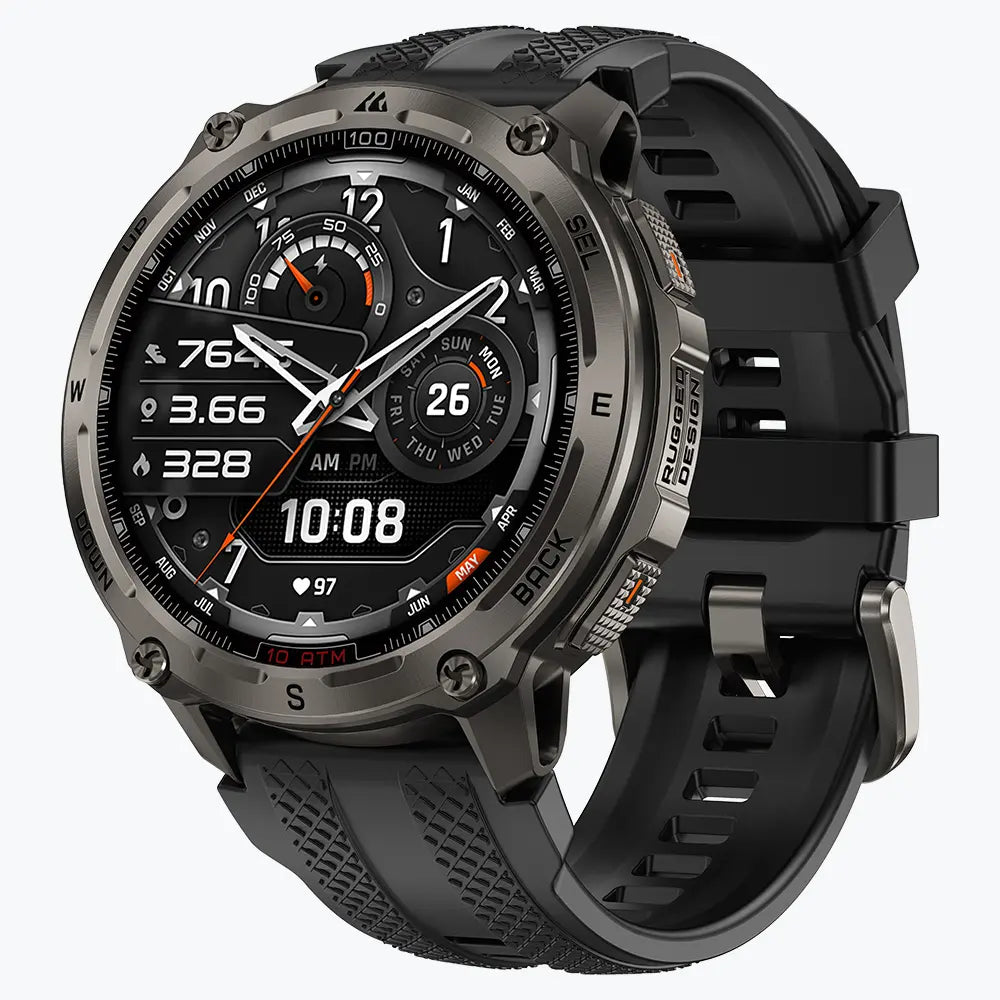
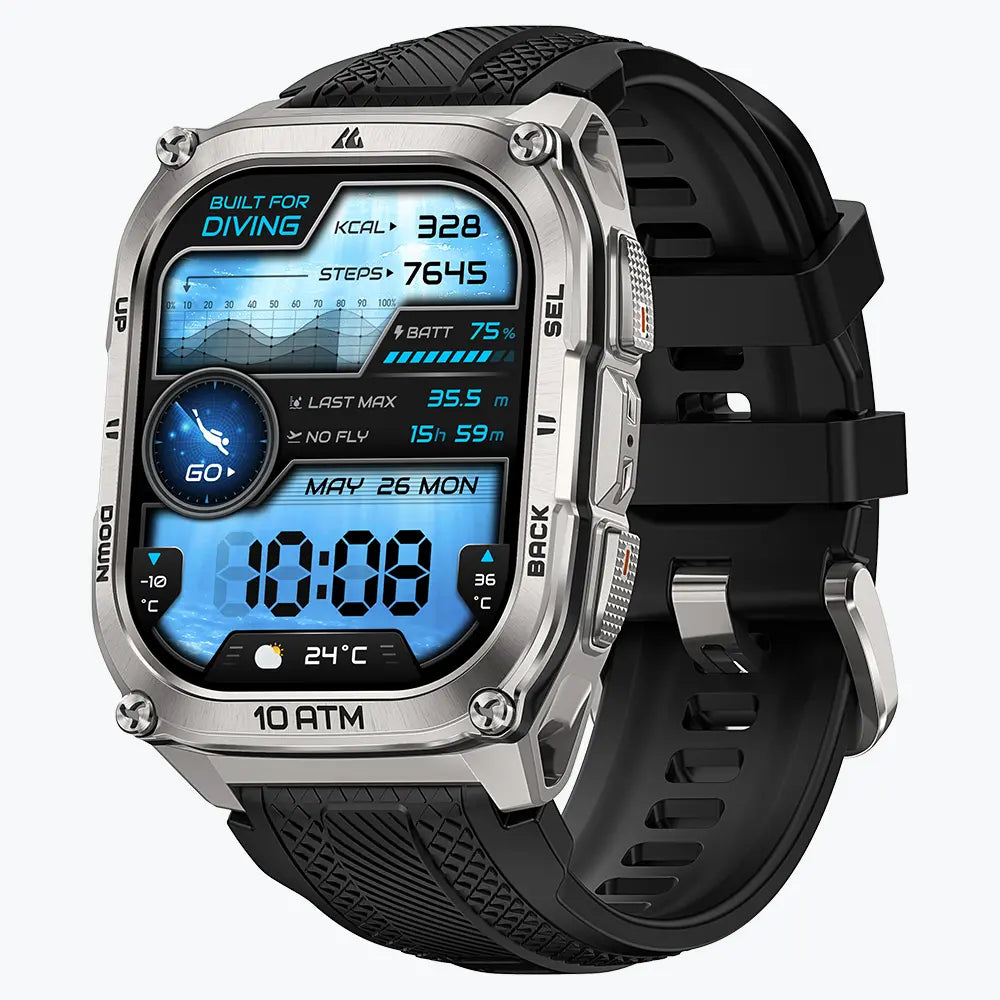
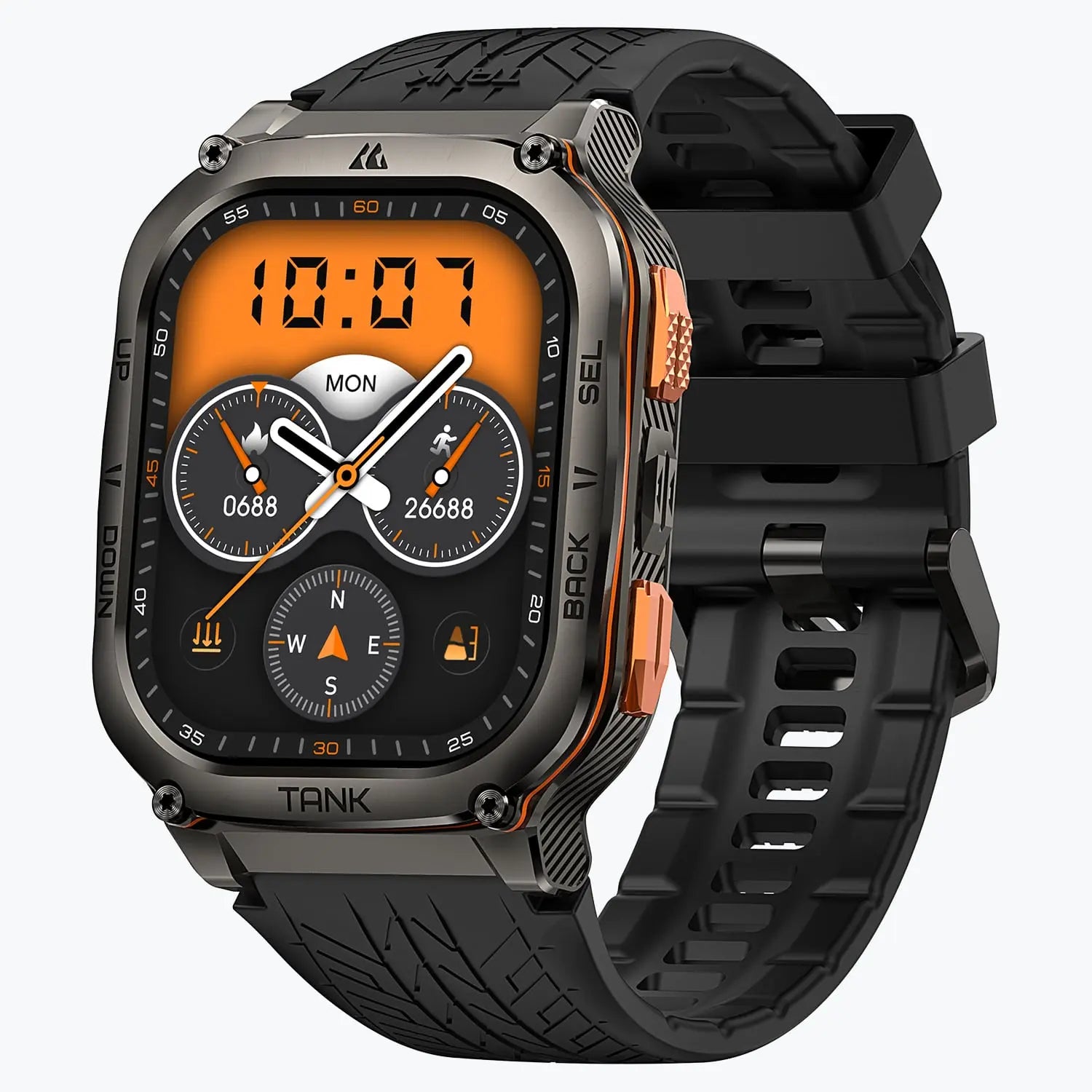
Kospet Tank T3 Ultra 2 dan
Tangki Kospet T3 Ultra 2: Model ini menggunakan sistem penentuan kedudukan dwi jalur 6 satelit khusus yang menyediakan liputan meluas walaupun di kawasan pergunungan terpencil. Ia mempunyai antena dalaman yang diperkukuh yang mengekalkan sambungan yang stabil walaupun jam tangan dimiringkan pada sudut tajam pada rangka basikal anda. Bateri besar dibina untuk mengekalkan penjejakan ketepatan tinggi untuk jarak jauh tanpa beralih kepada mod penjimatan kuasa yang mengorbankan ketepatan.

Tangki Kospet M3 Ultra: Jam tangan ini menggunakan perumah yang lasak untuk melindungi altimeter barometrik terbina dalam daripada perubahan tekanan udara secara tiba-tiba semasa penurunan pantas. Reka bentuk ini diperlukan untuk penunggang basikal yang ingin menjejaki peningkatan ketinggian mereka dengan tepat di sepanjang jarak mendatar mereka. Ia juga tahan terhadap suhu ekstrem yang membantu cip GPS dan bateri berfungsi secara konsisten dalam keadaan cuaca yang sangat sejuk atau panas.

Kedua-dua jam tangan ini memberikan ketahanan yang diperlukan untuk memastikan perkakasan dalamannya stabil semasa perjalanan lasak. Kualiti binaannya menghalang air dan lumpur daripada menjejaskan sensitiviti cip penjejakan dalaman dari semasa ke semasa.
Sahkan Ketersediaan Mod Rakaman 1 Saat
Anda mesti mengesahkan bahawa jam tangan sukan untuk berbasikal membolehkan anda menyimpan data setiap saat dan bukannya menggunakan mod rakaman pintar. Kebanyakan jam tangan datang dari tetapan kilang ke mod pintar yang hanya menyimpan lokasi anda setiap lima atau sepuluh saat untuk membantu bateri tahan lebih lama.
Apabila jam tangan menunggu beberapa saat antara titik rakaman, ia melukis garis lurus merentasi selekoh tajam dan bukannya mengikuti lengkungan sebenar jalan raya. Masalah ini dikenali sebagai pemotongan selekoh dan ia boleh menjadikan jumlah jarak anda kelihatan jauh lebih pendek daripada batu yang anda tamatkan. Rakaman satu saat memaksa jam tangan menyimpan enam puluh titik data untuk setiap minit perjalanan anda yang menghasilkan peta resolusi tinggi laluan anda.
Tetapan ini penting apabila anda bergerak pada kelajuan tinggi kerana anda meliputi banyak kawasan dalam beberapa saat mod pintar mungkin sedang tidur. Malah jam tangan berkualiti tinggi akan memberikan anda data yang salah jika perisian tidak ditetapkan untuk merekodkan kemas kini kerap ini di setiap selekoh jalan. Anda harus sentiasa menyemak tetapan peranti untuk memastikan anda mempunyai kawalan penuh ke atas kekerapan data disimpan ke memori.
Kesimpulan
Memilih jam tangan yang betul adalah tentang mencari keseimbangan antara tetapan perkakasan yang kukuh dan perisian pintar. Anda harus sentiasa memilih peranti GPS dwi-jalur dan memastikan ia mempunyai bateri yang cukup besar untuk mengendalikan mod ketepatan tinggi. Dengan menetapkan peranti anda untuk merakam setiap saat, anda memastikan bahawa setiap batu perjalanan anda dikira dengan tepat.
Soalan Lazim
Mengapakah jam tangan saya menunjukkan jarak yang lebih pendek di jalan raya yang berliku-liku?
Jam tangan anda mungkin menggunakan rakaman pintar yang melangkau titik data semasa selekoh. Beralih kepada rakaman satu saat akan menyelesaikan masalah ini.
Adakah GPS berketepatan tinggi menghabiskan bateri lebih cepat?
Ya, penjejakan dwi jalur menggunakan lebih banyak kuasa kerana ia mendengar berbilang isyarat satelit sekaligus.Sentiasa periksa hayat bateri untuk mod GPS tertentu yang anda rancang untuk gunakan.
Bolehkah bangunan menjejaskan data jarak berbasikal saya?
Bangunan tinggi boleh memantulkan isyarat GPS dan membuatkan jam tangan berfikir anda bergerak dalam corak zig-zag. Jam tangan jalur dua boleh menapis isyarat yang dipantulkan ini untuk memastikan data anda tepat.