







Built-in GPS is an increasingly important feature in smartwatches, especially for outdoor enthusiasts, fitness trackers, and anyone who needs precise location tracking without relying on a smartphone.
However, the convenience of GPS comes with a significant trade-off: battery life. While GPS allows for real-time location tracking, it is also one of the most power-hungry features in a smartwatch.
In this article, we will explore how built-in GPS smartwatch features impact battery life, how to manage the power consumption effectively, and which models offer the best balance between GPS accuracy and long battery life.
Why Built-In GPS Matters in Smartwatches
Built-in GPS allows a smartwatch to track your location independently from a smartphone, making it a crucial feature for activities like running, cycling, hiking, and navigation.
The convenience of having GPS directly on your wrist ensures accurate location tracking during workouts or outdoor explorations without needing to carry a phone.
Independent GPS Tracking for Location-Based Features
Smartwatches with built-in GPS can independently track your route, distance, and pace during activities like running, hiking, and cycling. This is especially useful for outdoor adventurers who want to leave their phones behind while still tracking their location.
also read: Best GPS Watches for Hiking That Support Offline Maps
Importance for Fitness Tracking and Outdoor Navigation
GPS provides real-time feedback on performance, allowing athletes and fitness enthusiasts to monitor their distance, speed, and elevation in precise detail.
Additionally, built-in GPS supports navigation, helping users find their way during hikes or runs, even in remote locations.
Benefits Beyond Fitness
GPS is also critical for safety in emergencies, as it allows rescue teams or loved ones to pinpoint your exact location quickly. Furthermore, location-based services such as route planning and mapping can be essential when exploring unfamiliar terrain or traveling.
The Impact of GPS on Smartwatch Battery Life
While GPS provides significant benefits, it is a major drain on battery life. This section explains why GPS uses so much power and how it impacts your smartwatch’s performance.
GPS Power Consumption Explained
The GPS chip in a smartwatch constantly communicates with satellites to determine your location.
This requires continuous processing and data transfer, which consumes far more energy than other smartwatch features like heart rate monitoring or step tracking.
Battery Life with GPS On vs. Off
Without GPS, a smartwatch can last several days on a single charge. However, when GPS is turned on for activities like tracking a run or hike, the battery life can be drastically reduced.
For example, a smartwatch with GPS may last only 8 to 12 hours during continuous GPS use, while it could last up to 2–3 days when GPS is off.
Why GPS Drains More Power Than Other Features
Unlike sensors that operate intermittently, such as heart rate monitors or accelerometers, GPS requires continuous satellite communication.
This persistent data transfer, combined with the processing power needed to calculate location data in real-time, causes a significant drain on the battery.
💡Tips: GPS is a major battery drain on smartwatches due to its continuous communication with satellites and real-time location processing. While GPS is active, battery life can be reduced to 8-12 hours, compared to 2-3 days when GPS is off.
Tips for Extending Battery Life While Using GPS
If you need to use GPS frequently but want to maximize battery life, there are several strategies you can employ:
Turn Off GPS When Not Needed. When it’s not necessary can save significant battery power. If you’re not tracking an outdoor activity, such as a run or hike, disable GPS to prevent unnecessary power consumption.
Use Power-Saving Modes. Many smartwatches have built-in power-saving modes that reduce GPS tracking frequency, dim the display, or turn off other non-essential sensors. These modes can help extend battery life, especially during long outdoor activities.
Hybrid GPS Systems. Some smartwatches use hybrid GPS systems that rely on both internal sensors (like accelerometers and barometers) and GPS to reduce power consumption. These systems only activate full GPS tracking when necessary, helping to extend battery life during periods of low activity.
Customize GPS. Settings for Less Frequent Tracking Adjusting the GPS update frequency can also help conserve battery. Instead of tracking every second, set your smartwatch to update location data at longer intervals, such as every 5–10 minutes, depending on the activity.
Smartwatches with GPS and Extended Battery Life
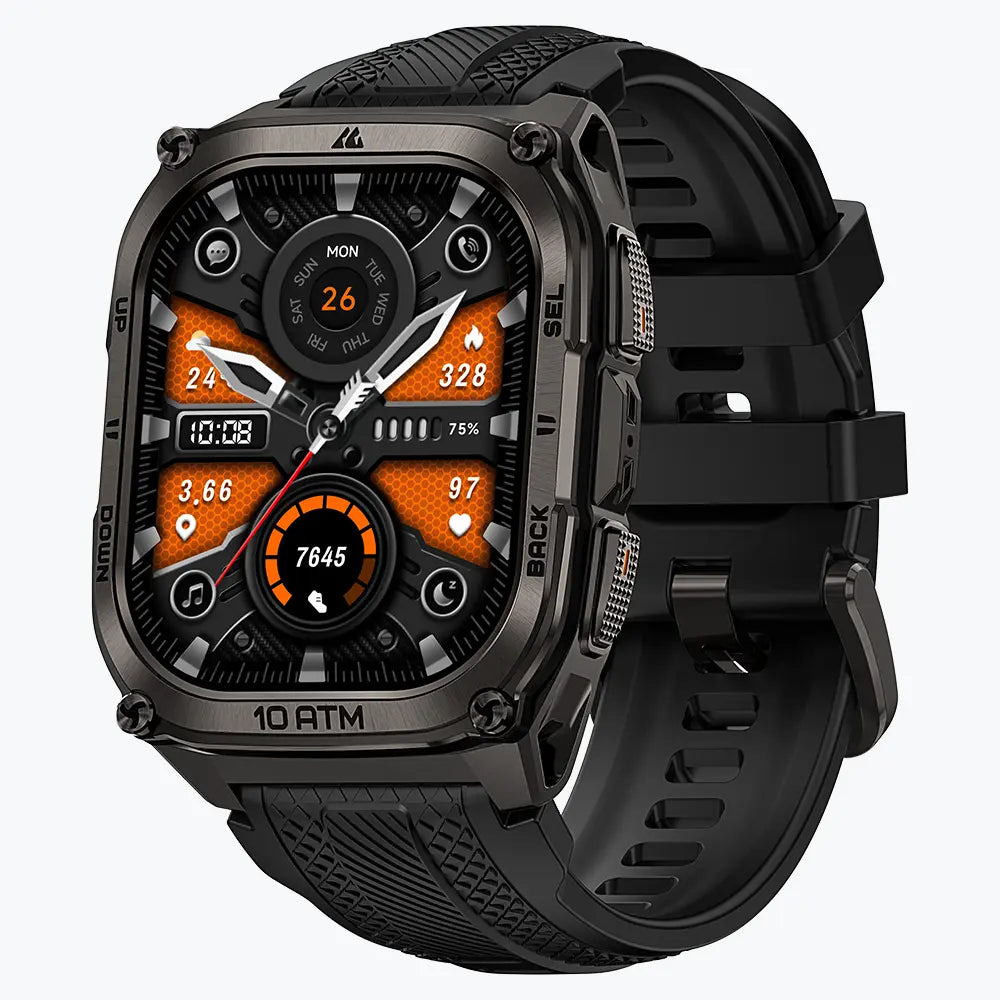
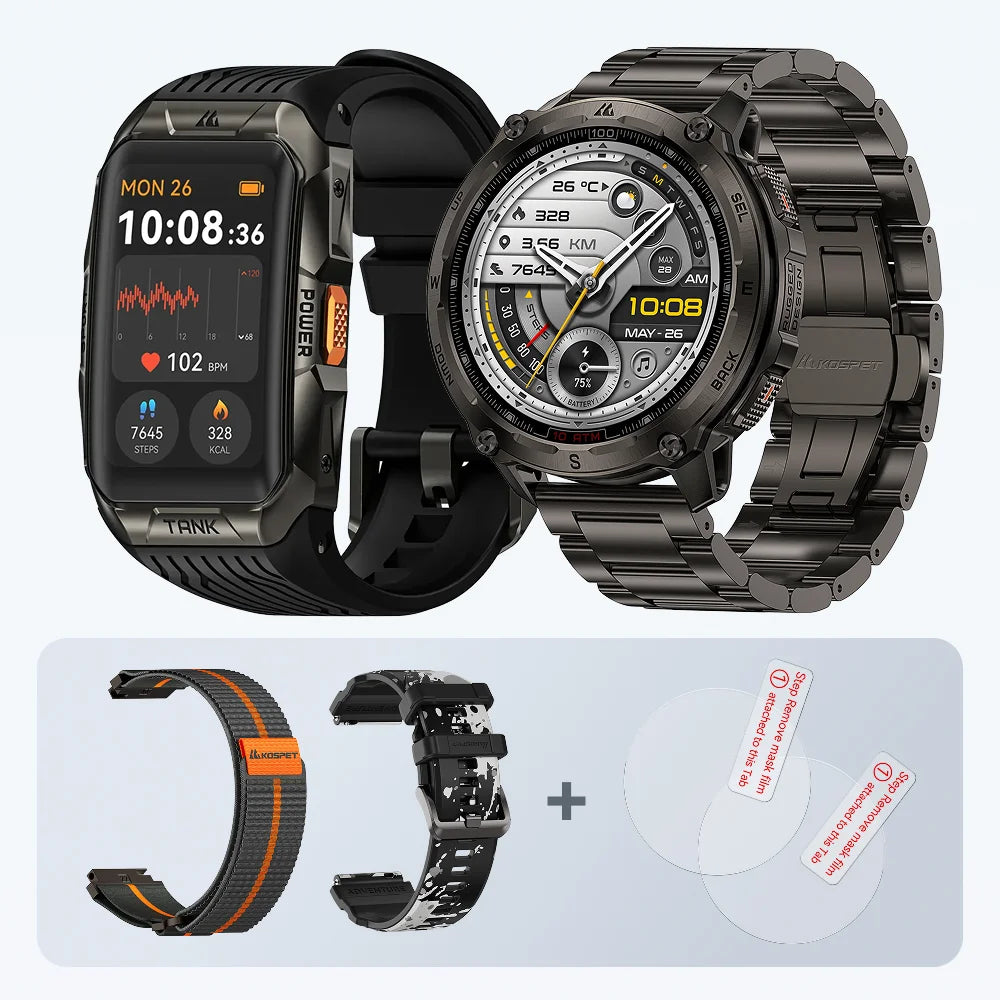
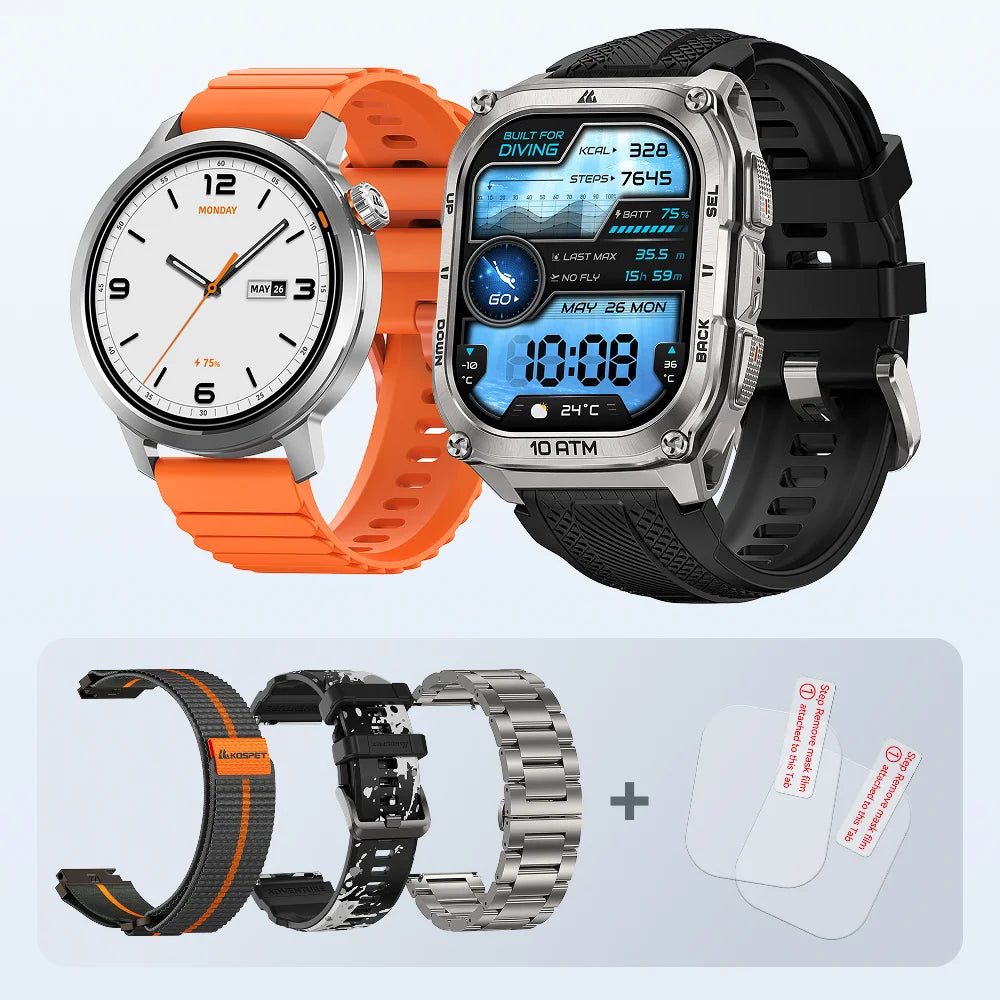
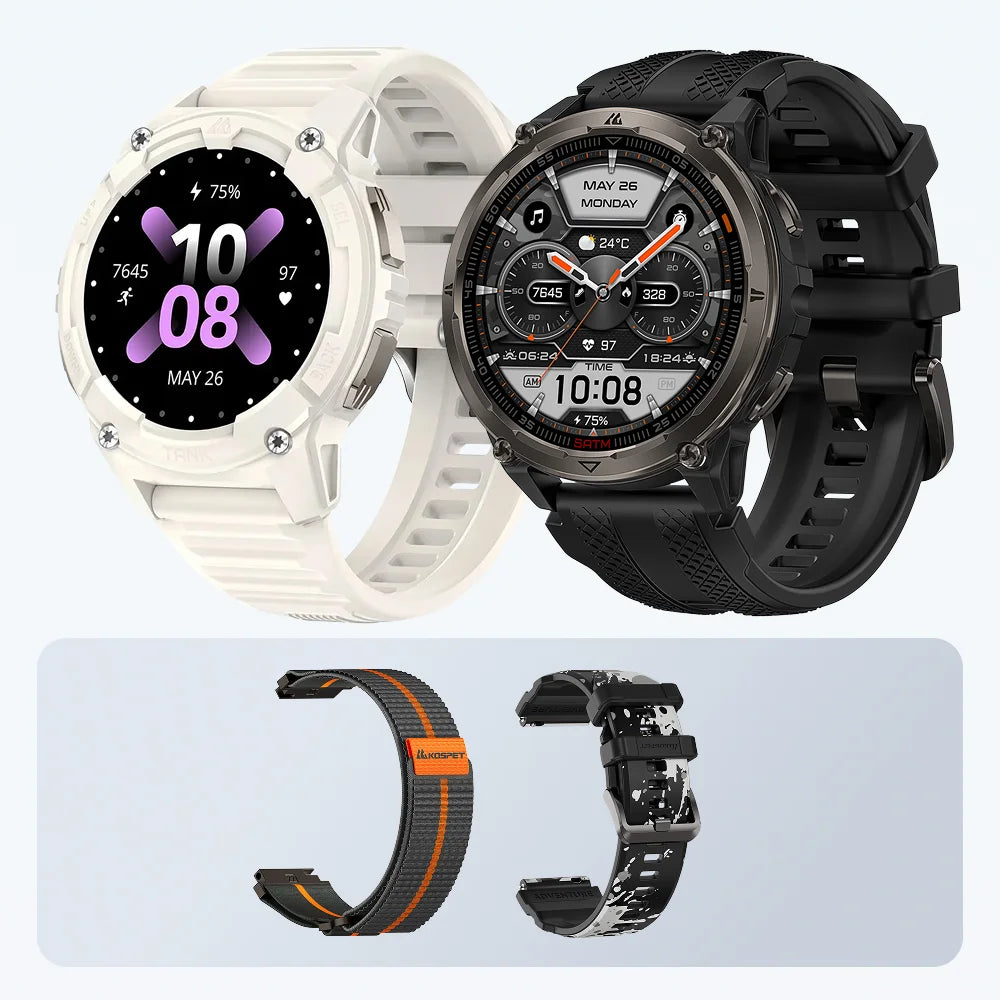
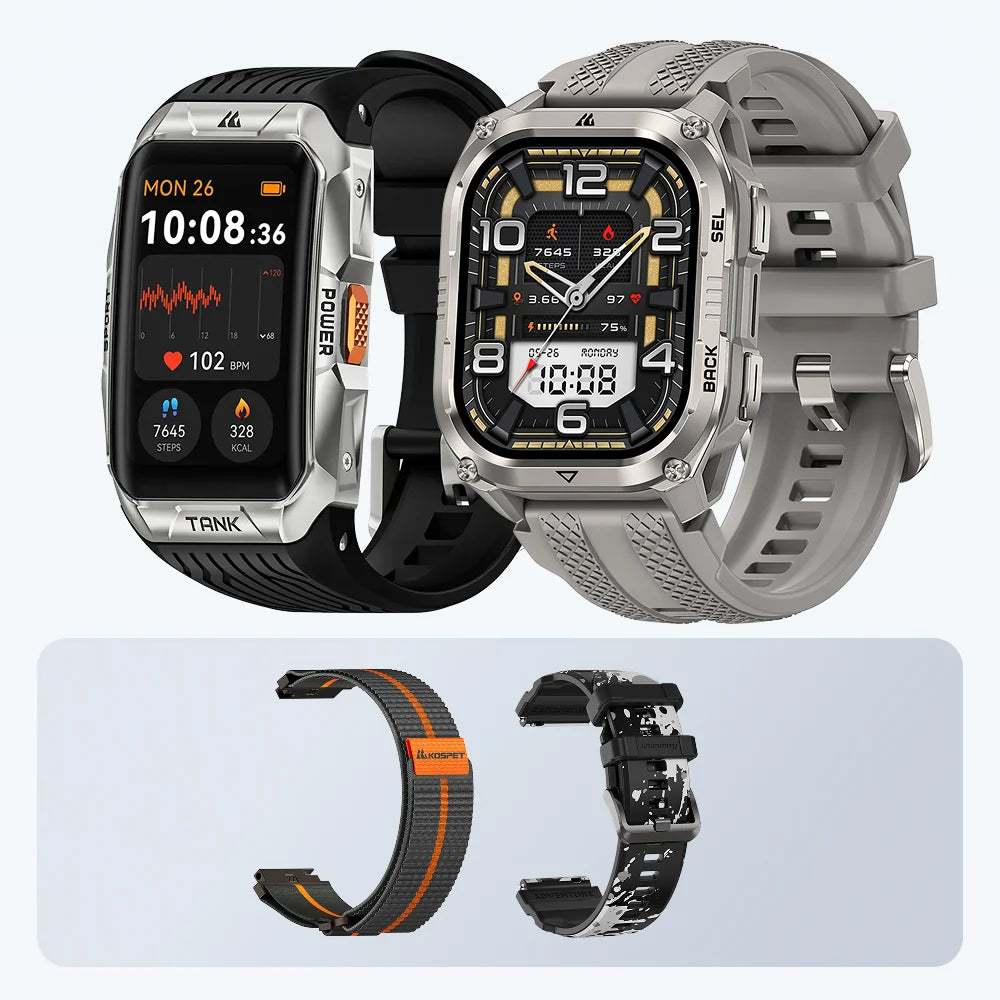
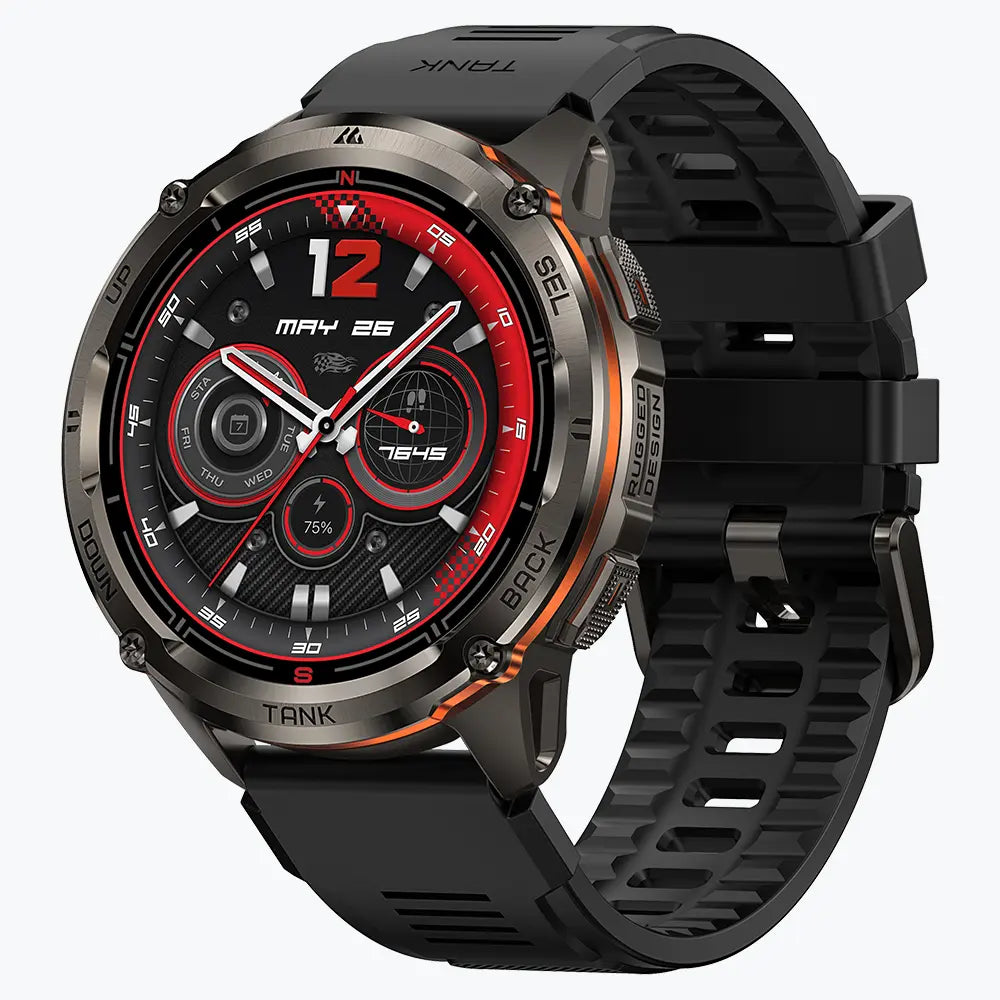
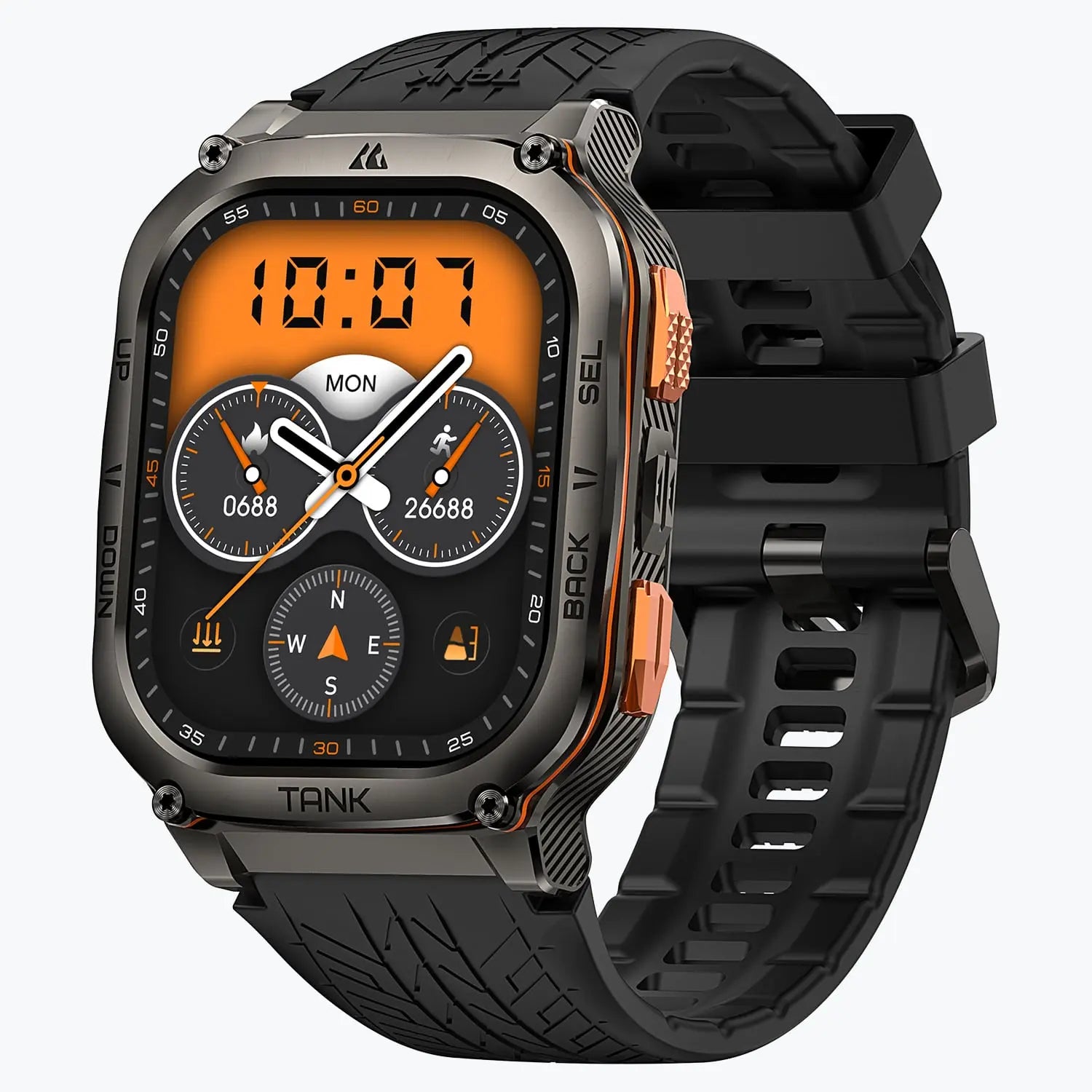
When it comes to built-in GPS and extended battery life, some smartwatches have been designed with features that maximize power efficiency while still offering accurate location tracking. The following KOSPET smartwatch showcase how smart GPS technology can be paired with longer battery life:
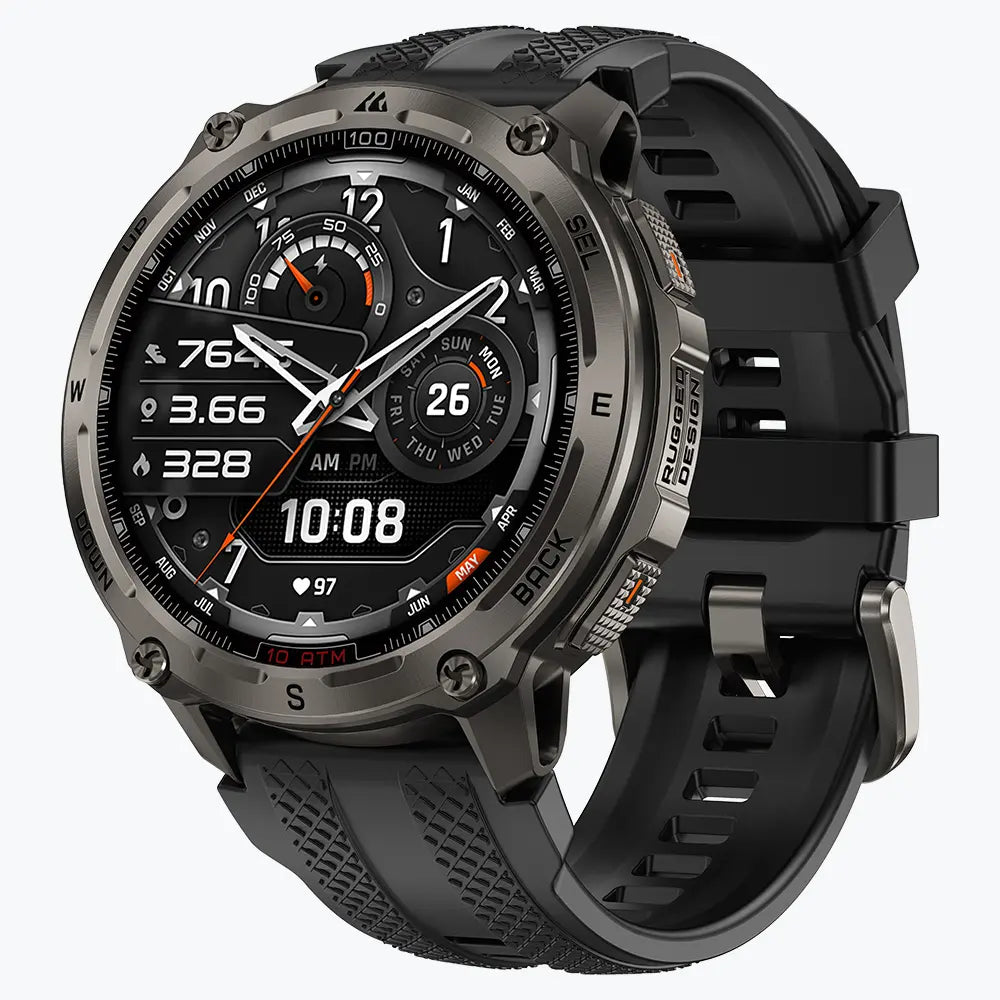
Kospet T3U2: Efficiency in GPS Performance

The Kospet T3U2 addresses the challenge of GPS-related battery drain through its advanced power management system. Here’s how it optimizes GPS use without compromising battery life:
- Dual-band GPS ensures precise location tracking for outdoor activities.
- Energy-efficient GPS technology minimizes power consumption while maintaining accuracy.
- Up to 15 days of standby time, allowing users to enjoy extended battery life between GPS sessions.
- Extended GPS tracking for 30–35 hours during active use, making it ideal for long hikes or runs.
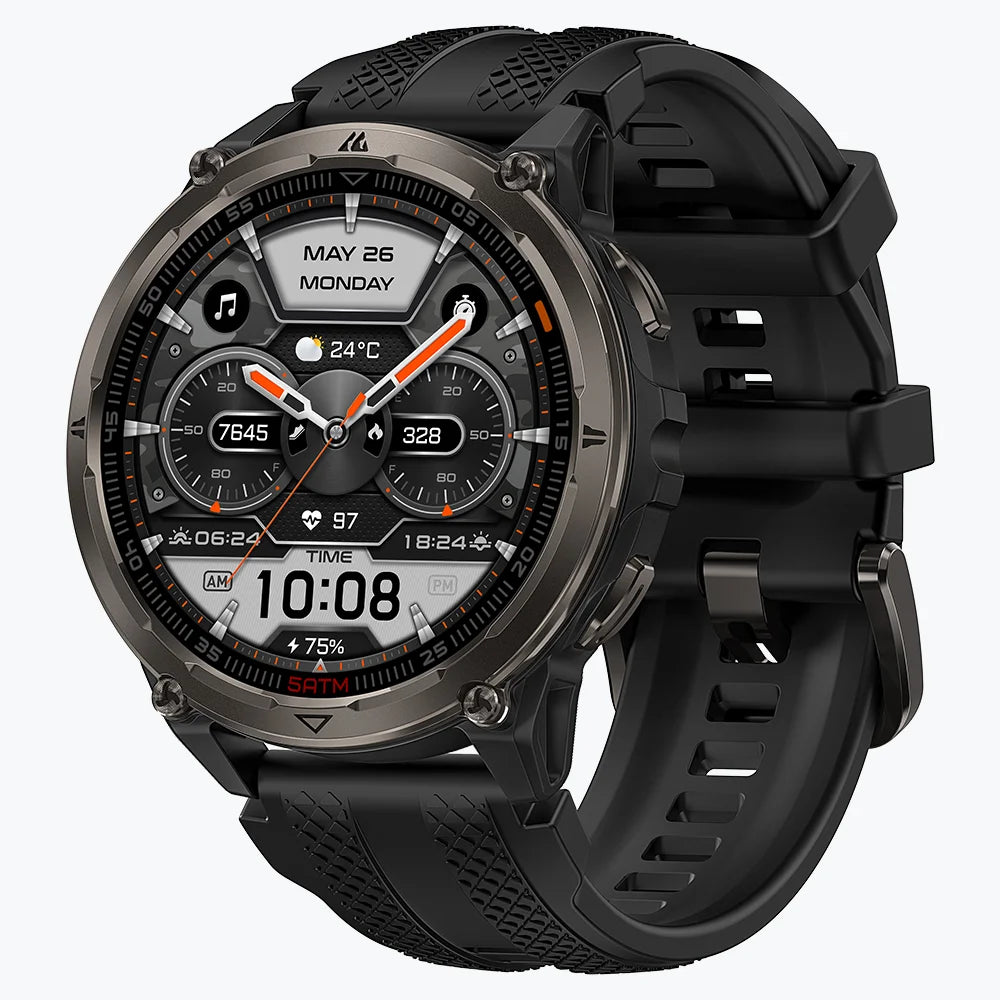
Kospet M3U: Maximizing Battery Life with GPS Tracking

The Kospet M3U takes battery efficiency to the next level with its hybrid GPS system, which reduces energy consumption when full GPS accuracy isn’t necessary. Here are its key features:
- Hybrid GPS technology reduces power consumption by integrating internal sensors when precise tracking isn’t needed.
- Up to 18 days of battery life on regular use, ensuring long-lasting performance even during extended activities.
- 35 hours of continuous GPS tracking, ideal for users who need to track their location over multiple days without worrying about battery drain.
Conclusion
Built-in GPS in smartwatches offers numerous benefits, but it can significantly impact battery life if not managed properly. By using features like power-saving modes, hybrid GPS technology, and adjusting GPS update frequencies, you can extend battery life without sacrificing GPS accuracy.
FAQs:
What is built-in GPS in a smartwatch?
Built-in GPS in a smartwatch allows it to track your location independently without needing to connect to a smartphone, providing real-time navigation and activity tracking for outdoor adventures.
How does GPS affect smartwatch battery life?
GPS requires continuous communication with satellites, which consumes a significant amount of power, reducing battery life. The more frequently GPS updates, the faster the battery drains.
How can I extend battery life while using GPS on my smartwatch?
To extend battery life, you can turn off GPS when not needed, use power-saving modes, or adjust GPS update frequency to reduce energy consumption during activities.


