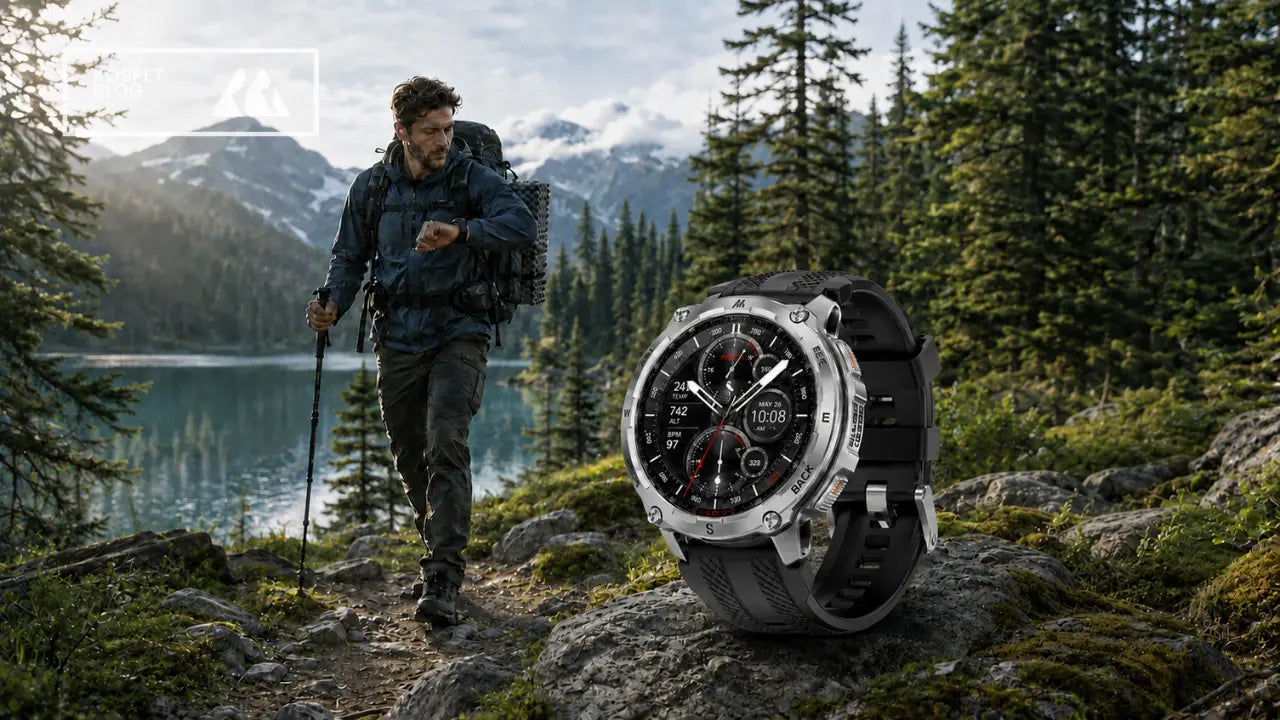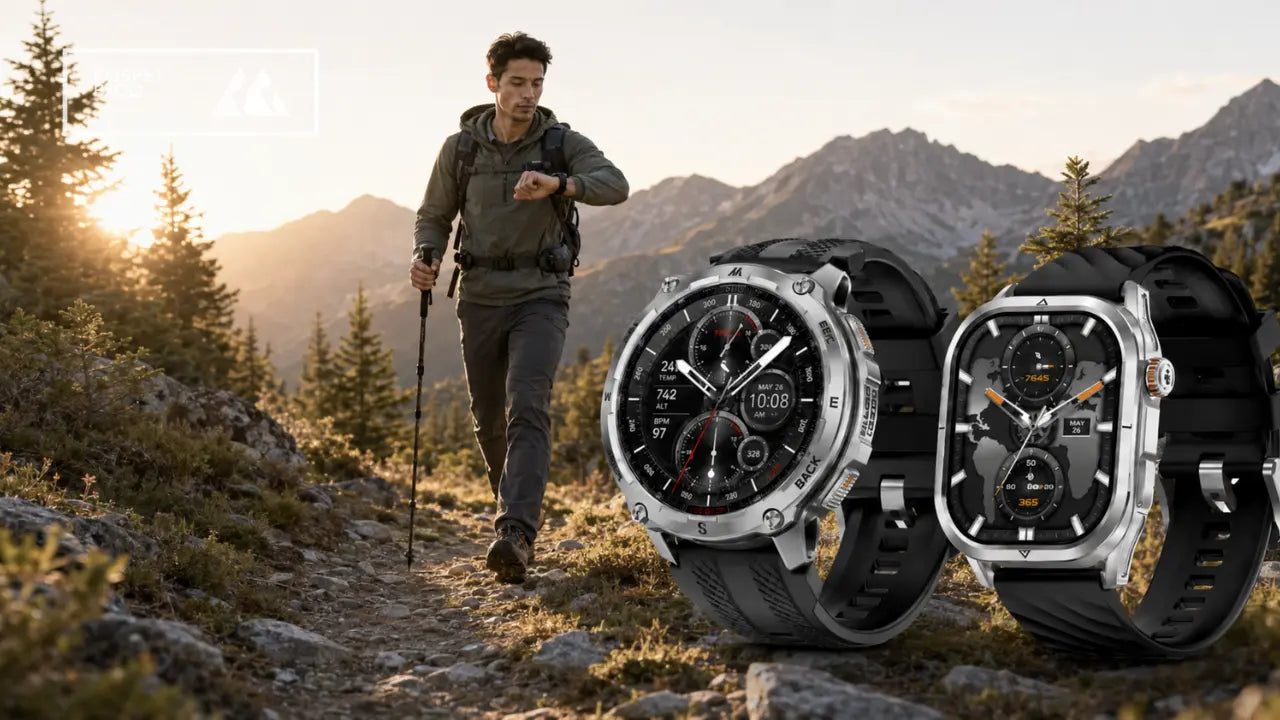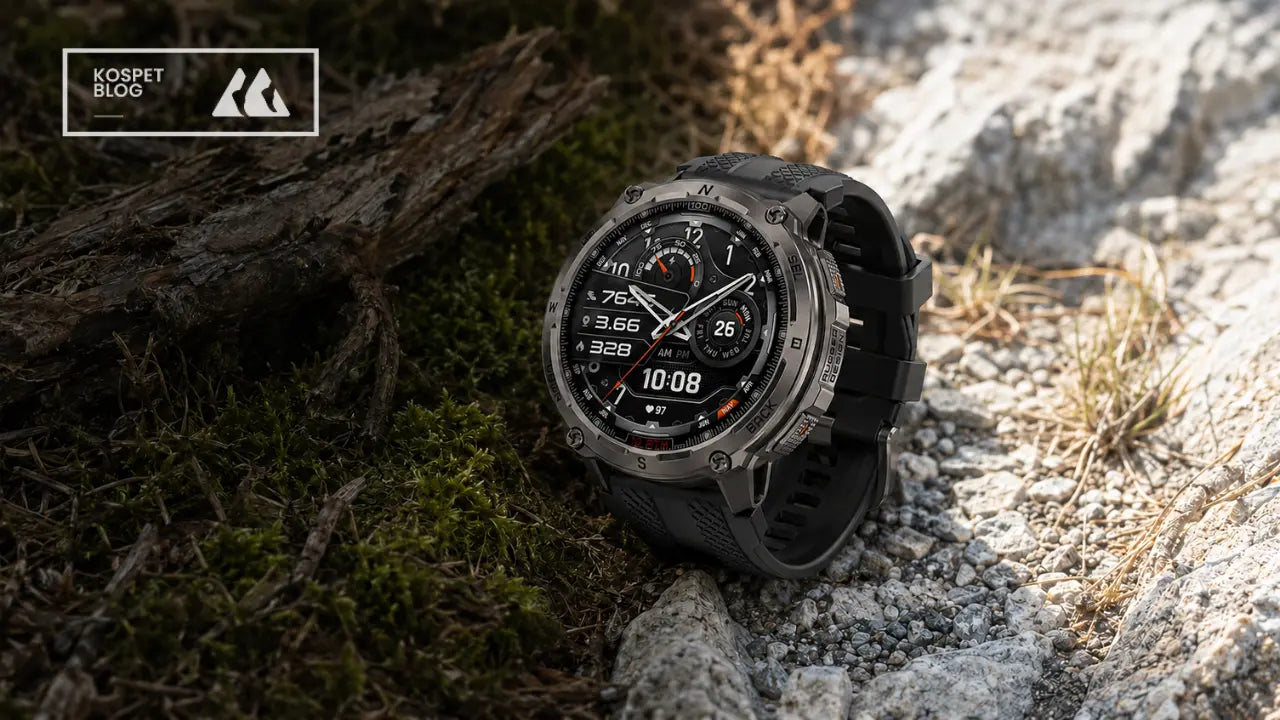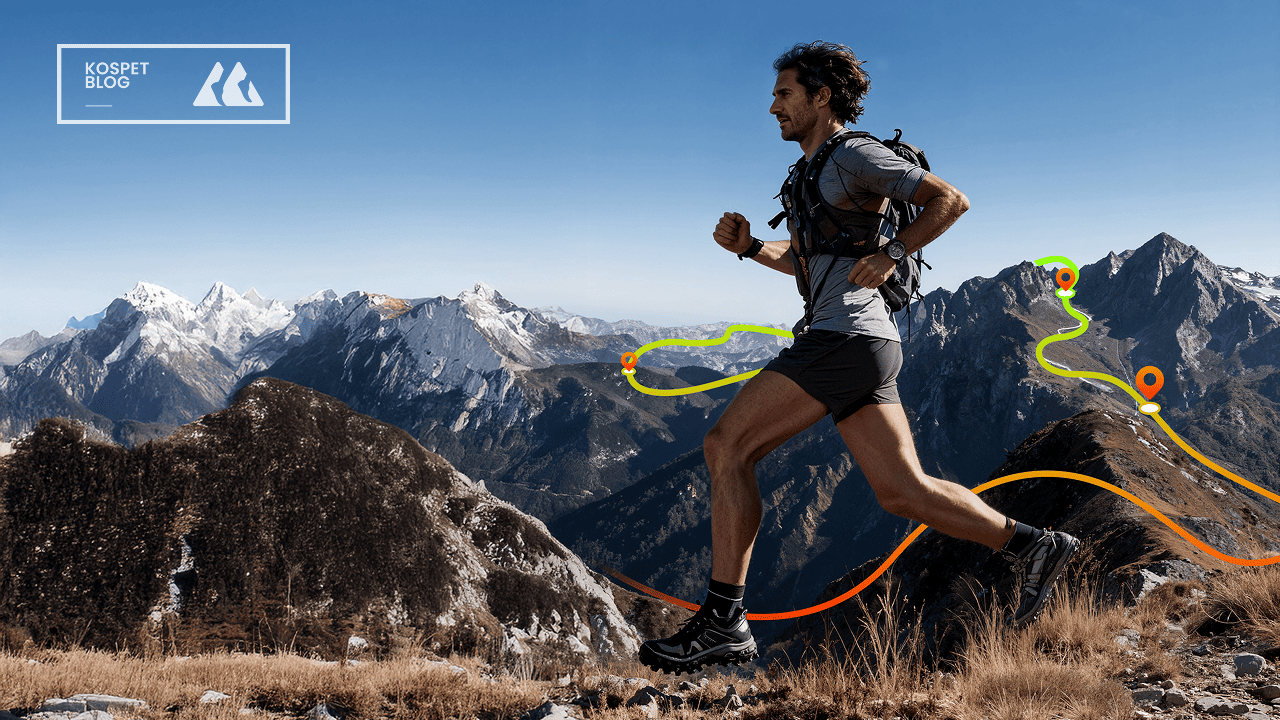



Daripada perkhemahan hujung minggu hinggalah mendaki selama beberapa hari, jam tangan pintar luar yang betul sepatutnya memudahkan perkhemahan dengan memastikan navigasi, status bateri dan alatan luar yang berguna sentiasa berada dekat.
Mulakan dengan sejauh mana anda bergerak dari kenderaan atau titik pengecasan anda, kemudian bandingkan navigasi luar talian, hayat bateri GPS berterusan, ketahanan dan keselesaan. Untuk perjalanan jarak jauh, gunakan jam tangan sebagai sebahagian daripada pelan keselamatan yang lebih luas yang merangkumi cara berasingan untuk menghubungi bantuan di luar liputan selular.

Apakah Jenis Jam Tangan Pintar Luar yang Sesuai dengan Gaya Perkhemahan Anda?
Padankan jam tangan dengan cara anda berkhemah. Hujung minggu di tapak perkhemahan yang sedia ada memerlukan set ciri yang berbeza daripada mendaki beberapa jam ke tapak perkhemahan yang terpencil, dan memilih perbezaan itu adalah lebih berguna daripada membandingkan senarai panjang mod sukan.
| Gaya perkhemahan | Apa yang perlu dilakukan oleh jam tangan itu | Ciri-ciri untuk diutamakan |
|---|---|---|
| Perkhemahan atau perkhemahan kereta | Sokong berjalan kaki singkat, pemeriksaan cuaca dan penggunaan perkhemahan setiap hari | Paparan yang boleh dibaca, GPS yang andal, keselesaan dan hayat bateri tipikal selama beberapa hari |
| Akses denai atau perkhemahan semalaman | Jejaki laluan ke perkhemahan dan bantu anda kembali melalui laluan yang sama | GNSS terbina dalam, Laluan Balik, kompas, altimeter dan masa jalan GPS yang mencukupi |
| Perkhemahan berbilang hari atau kawasan pedalaman | Pastikan maklumat laluan tersedia jauh daripada perkhidmatan selular dan pengecasan | Peta luar talian, import laluan, ketahanan GPS berterusan dan pilihan penjimatan kuasa |
| Perkhemahan tepi air atau musim sejuk | Kekal boleh digunakan di sekitar air, lumpur, sejuk atau sarung tangan | Rintangan air yang sesuai dengan aktiviti, ketahanan yang teruji, kawalan fizikal dan paparan yang terang |
Tiga butiran perjalanan biasanya akan menyempitkan pilihan dengan cepat:
- Berapa jauhkah anda akan pergi dari kenderaan, kemudahan tapak perkhemahan atau tempat pengecasan anda?
- Berapa jam anda akan merekodkan laluan atau menggunakan navigasi setiap hari?
- Adakah perjalanan itu termasuk berenang, berkayak, menyelam, cuaca musim sejuk atau rupa bumi yang lasak?
Sebaik sahaja jawapan tersebut jelas, lebih mudah untuk memisahkan ciri perkhemahan penting daripada tambahan yang mungkin jarang digunakan.
Adakah Anda Memerlukan GPS dan Peta Luar Talian untuk Berkhemah Tanpa Perkhidmatan Selular?
GPS terbina dalam sudah cukup untuk merekod laluan, manakala Laluan Balik membantu anda menjejakinya semula. Peta luar talian menjadi lebih berguna apabila laluan tersebut tidak dikenali, mempunyai beberapa simpang atau mungkin memerlukan perubahan pelan di luar liputan selular.
- GPS atau GNSS terbina dalam merekodkan kedudukan, jarak dan laluan anda tanpa bergantung pada telefon anda untuk data lokasi.
- Laluan Kembali menggunakan trek yang dirakam untuk membimbing anda ke arah titik permulaan anda.
- Peta luar talian tambah konteks laluan dan rupa bumi di sekeliling, membantu anda memahami kedudukan laluan yang direkodkan dalam kawasan yang lebih luas.
Penentuan kedudukan GPS boleh berfungsi tanpa perkhidmatan selular kerana jam tangan menerima isyarat terus daripada satelit navigasi. Memuat turun peta, menyegerakkan laluan, menyemak cuaca langsung atau berkongsi lokasi mungkin masih memerlukan sambungan. Ketahui lebih lanjut tentang proses penentuan kedudukan asas di Doktor KeluargaS. kerajaan.
Bagaimanakah Anda Perlu Memeriksa Navigasi Sebelum Membeli?
- Sahkan bahawa jam tangan mempunyai GNSS terbina dalam dan bukannya bergantung pada GPS berbantukan telefon.
- Semak sama ada ia menawarkan Laluan Balik, navigasi laluan, peta luar talian penuh atau gabungan ciri-ciri ini.
- Cari import GPX atau KML jika anda merancang laluan dengan aplikasi atau laman web mendaki.
- Ketahui cara peta dan laluan dipindahkan, kemudian ujinya sebelum perjalanan.
GNSS dwi-jalur boleh menyokong kedudukan yang lebih stabil dalam persekitaran yang mencabar, termasuk laluan berhutan dan kawasan dengan pemandangan langit yang terhalang. Rupa bumi, litupan pokok, kedudukan pemerhatian dan keadaan lain masih boleh mempengaruhi trek yang dirakam.
Jika anda biasanya mengikuti denai yang ditanda dan terutamanya mahukan bantuan untuk kembali ke perkhemahan, Laluan Kembali mungkin semua yang anda perlukan. Untuk rangkaian denai yang tidak dikenali, peta luar talian menyediakan konteks tambahan yang tidak dapat dicapai oleh laluan trek yang mudah.
Berapa Lama Hayat Bateri yang Diperlukan oleh Jam Tangan Pintar Perkhemahan?
Rancang masa jalan GPS berterusan untuk mendaki dan hayat bateri penggunaan biasa untuk masa di perkhemahan. Angka-angka ini menerangkan mod operasi yang berbeza, jadi kedua-duanya perlu diperiksa sebelum perjalanan berbilang hari.
Hayat bateri penggunaan biasa biasanya meliputi fungsi harian seperti pemberitahuan, penjejakan kesihatan dan pemeriksaan skrin sekali-sekala. Masa jalan GPS berterusan mengukur berapa lama jam tangan boleh merakam laluan luar secara aktif, menjadikannya angka yang lebih penting untuk hari mendaki.
Cara praktikal untuk menganggarkan keperluan anda ialah:
Masa jalan GPS berterusan yang diperlukan = jam penjejakan yang dirancang × 1.3–1.5
Margin tambahan membolehkan pemeriksaan peta, kecerahan skrin, suhu yang lebih sejuk dan pembolehubah dunia sebenar yang kerap. Contohnya, tiga hari dengan empat jam rakaman laluan sehari bersamaan dengan 12 jam GPS, jadi sasaran kira-kira 16–18 jam memberikan lebih fleksibiliti.
Bagaimanakah Anda Boleh Memanjangkan Hayat Bateri Semasa Berkhemah?
- Matikan paparan sentiasa hidup apabila ia tidak diperlukan.
- Kurangkan kecerahan dan pemberitahuan yang tidak penting.
- Hentikan rakaman laluan selepas sampai ke kem.
- Gunakan tetapan penjimatan kuasa apabila penjejakan terperinci tidak diperlukan.
- Bawa kabel pengecas yang betul dan power bank yang dilindungi untuk perjalanan yang lebih jauh.
Angka bateri diukur di bawah tetapan yang ditetapkan. Penggunaan GPS, aktiviti paparan, suhu, panggilan dan sensor yang didayakan boleh mengubah hasilnya, jadi pilih jam tangan dengan margin yang mencukupi untuk cara anda ingin menggunakannya.
Sejauh Manakah Ketahanan dan Kalis Air Seharusnya Jam Tangan Pintar Berkhemah?
Bagi kebanyakan perjalanan perkhemahan, cari perlindungan yang sesuai untuk hujan, habuk, lumpur, peluh dan hentakan setiap hari. Jika berenang, menyelam, cuaca musim sejuk atau rupa bumi yang lasak adalah sebahagian daripada rancangan, pilihlah jam tangan pintar yang lasak dengan perlindungan yang disahkan untuk aktiviti khusus tersebut dan bukannya bergantung pada tuntutan ketahanan yang luas.
- Hujan, lumpur, dan laluan berdebu: Gunakan Penarafan IP untuk membandingkan perlindungan yang diuji terhadap kemasukan habuk dan air.
- Berenang atau menyeberangi sungai: Semak penarafan ATM bersama-sama dengan aktiviti yang diluluskan.
- Menyelam: Pilih model yang direka bentuk dan diluluskan khusus untuk kedalaman selaman dan mod penggunaan yang dinyatakan.
- Sejuk, hentaman dan getaran: Semak ujian alam sekitar yang telah diselesaikan dan bukannya hanya bergantung pada frasa "gred tentera".
MIL-STD-810H menyediakan satu set kaedah ujian alam sekitar dan bukannya satu pensijilan ketahanan sejagat. Pensijilan rasmi Skop MIL-STD-810 menerangkan bagaimana kaedah tersebut dipilih berdasarkan keadaan dan keperluan prestasi tertentu.
Apakah Ciri-ciri Keselamatan yang Perlu Dimiliki oleh Jam Tangan Perkhemahan di Kawasan Pedalaman?
Jam tangan perkhemahan di kawasan pedalaman akan membantu anda kekal berorientasikan, mengikuti laluan yang disediakan dan memantau keadaan luar yang berubah-ubah. Pemesejan kecemasan adalah keperluan yang berasingan dan bergantung pada sama ada peranti mempunyai akses kepada komunikasi selular atau satelit.
Ciri-ciri jam tangan yang berguna termasuk:
- Laluan atau peta luar talian untuk kekal di landasan yang betul
- Laluan Kembali untuk kembali ke titik permulaan
- Kompas dan altimeter barometrik untuk kesedaran arah dan ketinggian
- Trend tekanan atau amaran cuaca untuk memerhatikan perubahan keadaan
- Perkongsian lokasi atau panggilan apabila rangkaian komunikasi yang disambungkan tersedia
Jam tangan boleh menerima data lokasi GPS walaupun ia tidak mempunyai cara untuk menghantar mesej. Untuk perjalanan di luar liputan sel yang boleh dipercayai, pertimbangkan komunikator satelit khusus atau suar pencari peribadi berdaftar jika hubungan kecemasan adalah sebahagian daripada rancangan anda.
Sebelum perjalanan jarak jauh, kongsikan laluan anda dan jangkaan masa pulang, bawa sandaran navigasi dan sahkan bahawa setiap peranti komunikasi dicas dan diaktifkan. NOAA menyediakan tambahan panduan persediaan kawasan pedalaman untuk pelancong yang menggunakan isyarat kecemasan 406 MHz.
Apakah Jam Tangan Pintar Luar KOSPET Terbaik untuk Berkhemah?
Untuk laluan yang tidak dikenali dan navigasi peta luar talian, KOSPET
| Model | Padanan terbaik | Mengapa ia berfungsi untuk perkhemahan |
|---|---|---|
| Laluan yang tidak dikenali dan tapak perkhemahan terpencil | Peta luar talian, import laluan GPX/KML, GPS berterusan sehingga 21–22 jam dan perlindungan 10 ATM/IP69K | |
| Hari mendaki yang panjang di laluan yang ditetapkan | Laluan Balik, kompas, altimeter barometrik dan GPS berterusan sehingga 35 jam | |
| Perkhemahan tepi tasik, tepi sungai atau berpusatkan air | Peta luar talian, import laluan, perlindungan 10 ATM/IP69K dan tiga mod menyelam khusus | |
| Perkhemahan kereta, perkhemahan keluarga dan penggunaan kem asas | Lampu suluh LED lima aras, walkie-talkie jarak dekat, sensor luar dan GPS berterusan sehingga 21 jam |
Angka bateri dan komunikasi di bawah merujuk kepada mod dan keadaan yang disenaraikan dalam spesifikasi setiap model. Tetapan, suhu, penggunaan GPS dan rupa bumi di sekeliling boleh menjejaskan keputusan dunia sebenar. Untuk pesanan kecemasan di luar liputan sel, pasangkan jam tangan dengan peralatan komunikasi satelit khusus apabila diperlukan.
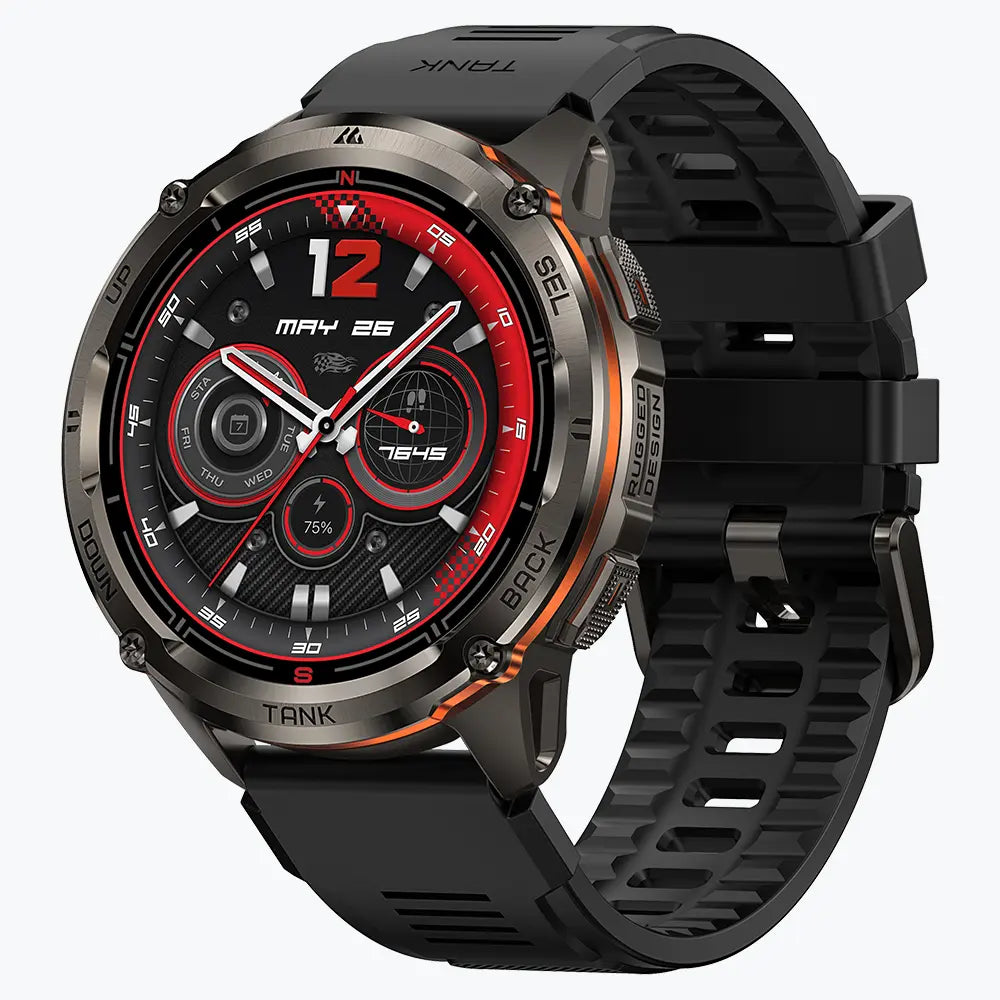
KOSPET TANK T4: Terbaik untuk Laluan yang Tidak Biasa dan Tapak Perkhemahan Terpencil
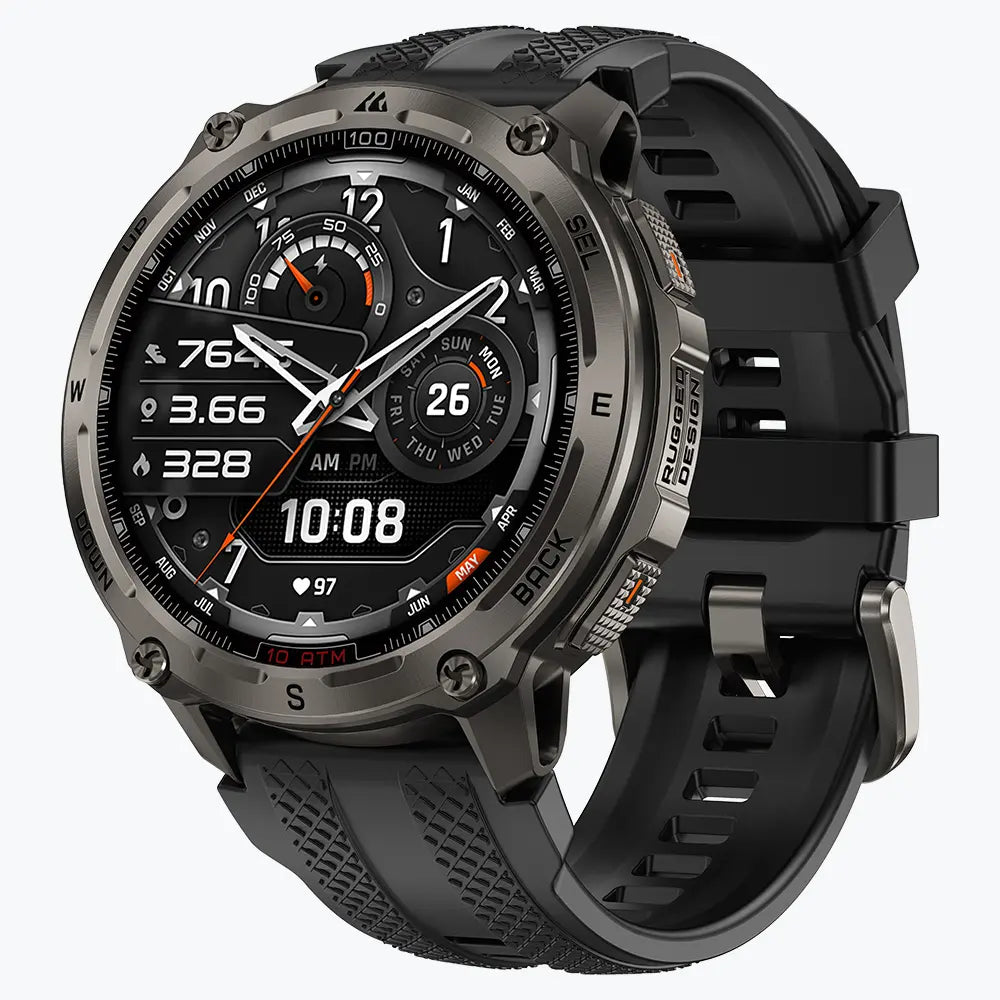
KOSPET TANK Jam Tangan Pintar T4
$209.99 USD
Menuju ke tapak perkhemahan di sepanjang laluan yang tidak dikenali?
- Peta luar talian dengan import laluan GPX/KML
- GNSS enam sistem dwi-jalur
- Sehingga 21–22 jam GPS berterusan
- 10 penarafan rintangan air ATM dan IP69K
Walkie-talkie jarak dekat terbina dalamnya juga boleh menyokong koordinasi kumpulan berdekatan. Muat turun dan uji peta sebelum bertolak supaya kawasan dan laluan yang diperlukan sedia apabila anda memerlukannya.
KOSPET TANK T3 ULTRA 2: Terbaik untuk Laluan Mendaki yang Lebih Panjang
Jika anda sudah mengetahui laluan tersebut dan mahukan lebih banyak masa GPS untuk perjalanan pergi dan balik,
- Sehingga 35 jam GPS berterusan
- Laluan Kembali untuk menjejaki semula laluan yang direkodkan
- GNSS enam sistem dwi-jalur
- 5 penarafan rintangan air ATM dan IP69K
Oleh kerana peta luar talian penuh tidak disenaraikan untuk model ini, ia paling sesuai untuk laluan yang ditanda, ditetapkan atau dirancang sebelum ini di mana kembali di sepanjang trek yang direkodkan adalah keutamaan.
KOSPET TANK M4: Terbaik untuk Perjalanan Berkhemah Berpusatkan Air
Untuk perjalanan perkhemahan yang merangkumi berenang, berkayak, atau menyelam,
- Peta luar talian dan import laluan GPX/KML
- 10 penarafan rintangan air ATM dan IP69K
- Tiga mod menyelam khusus
- Sokongan untuk selaman sehingga 45 meter di bawah syarat penggunaan yang disenaraikan
- Sehingga 21–22 jam GPS berterusan
Ikuti panduan aktiviti, suhu dan kedalaman yang disediakan untuk jam tangan ini, terutamanya apabila beralih daripada kegunaan renang umum kepada kegunaan menyelam khusus.
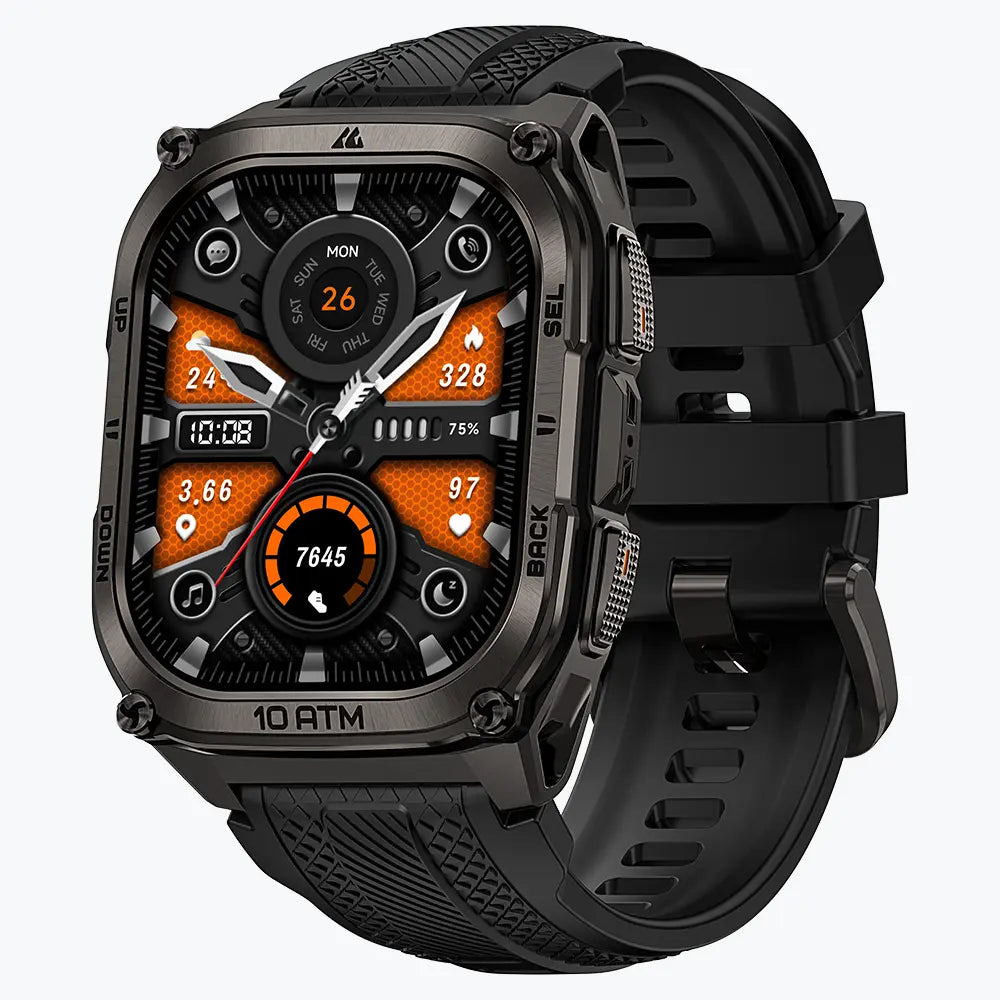
KOSPET TANK T4C: Terbaik untuk Alatan Kem Pangkalan Praktikal
Di tapak perkhemahan yang telah ditetapkan,
- Lampu suluh LED terbina dalam lima aras
- Sokongan walkie-talkie untuk sehingga empat peranti yang serasi
- Julat komunikasi sehingga 40 meter di bawah keadaan yang disenaraikan
- Data GPS, kompas, altitud dan tekanan enam sistem dwi-jalur
- Sehingga 21 jam GPS berterusan dan 15 hari penggunaan biasa
Gunakan lampu suluh sebagai sandaran mudah kepada pencahayaan perkhemahan utama anda. Walkie-talkie direka bentuk untuk koordinasi berdekatan, dengan jarak yang dipengaruhi oleh rupa bumi dan halangan di sekeliling.
Soalan Lazim
Berapakah Harga yang Perlu Anda Belanjakan untuk Jam Tangan Pintar Berkhemah?
Mulakan dengan tahap ciri yang diperlukan oleh perjalanan anda dan bukannya harga tetap. Hujung minggu perkhemahan memerlukan keselesaan, GPS yang andal dan perlindungan alam sekitar yang sesuai. Perkhemahan berasaskan denai menambah Laluan Balik dan ketahanan GPS yang lebih kuat, manakala perjalanan jarak jauh atau khusus mungkin mewajarkan peta luar talian, import laluan atau perlindungan air khusus aktiviti.
Sebaik sahaja keperluan tersebut dipenuhi, ciri-ciri seperti mod sukan tambahan, bahan premium dan laporan kesihatan lanjutan menjadi keutamaan.
Adakah Jam Tangan Pintar Berkhemah Berfungsi Dengan iPhone dan Android?
Biasanya, ya, tetapi semak keperluan sistem pengendalian minimum aplikasi pendamping. Balasan pantas, panggilan, kawalan pemberitahuan dan pemindahan peta mungkin berbeza antara platform.
Adakah Jam Tangan Pintar Luar Memerlukan Langganan untuk Peta atau Ciri Keselamatan?
Ia bergantung pada jam tangan dan perkhidmatan. Rakaman GPS asas dan Laluan Balik mungkin disertakan, manakala peta premium, pelan selular, analitik lanjutan atau pemesejan satelit mungkin melibatkan yuran tambahan. Semak langganan aplikasi, akses peta dan kos pelan komunikasi sebelum membeli.
Adakah Butang Fizikal Lebih Baik Daripada Skrin Sentuh untuk Perkhemahan?
Butang fizikal lebih mudah dikendalikan dengan sarung tangan, tangan basah atau dalam cuaca sejuk, manakala skrin sentuh memudahkan penyemakan imbas peta dan menu dalam keadaan kering. Reka bentuk hibrid menawarkan fleksibiliti yang paling tinggi dengan menggabungkan kawalan butang pantas dengan navigasi skrin sentuh.