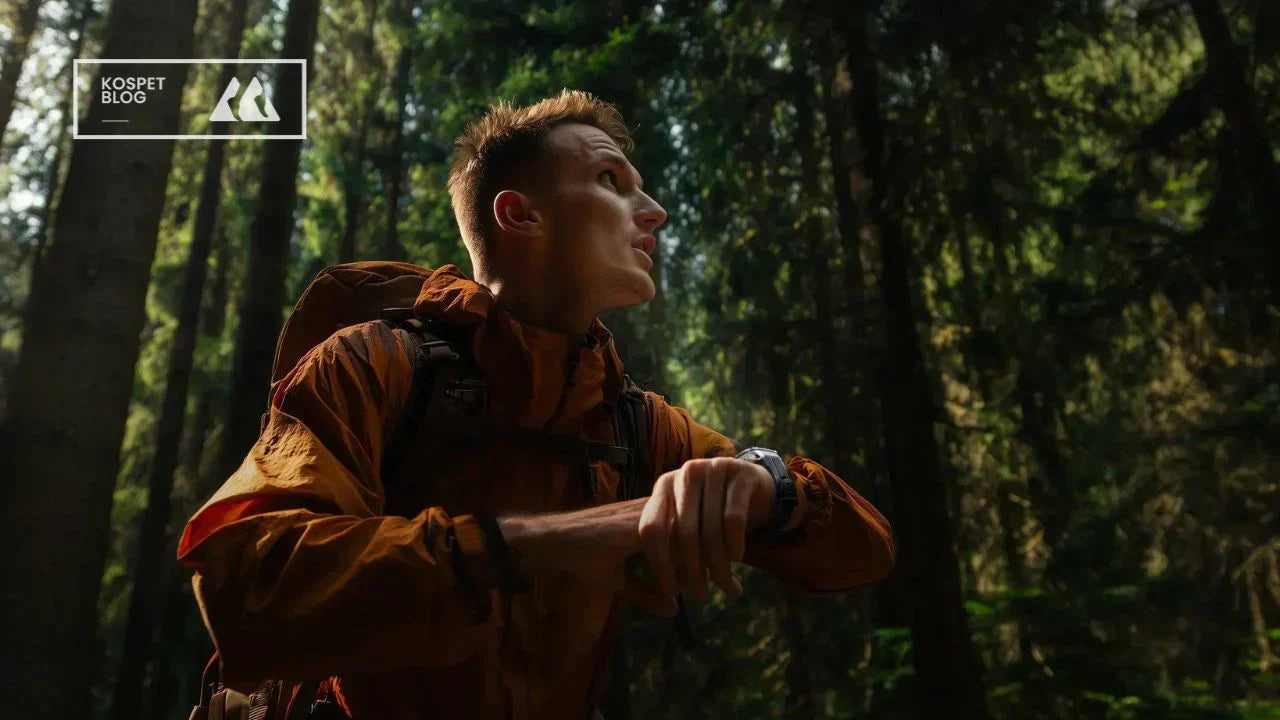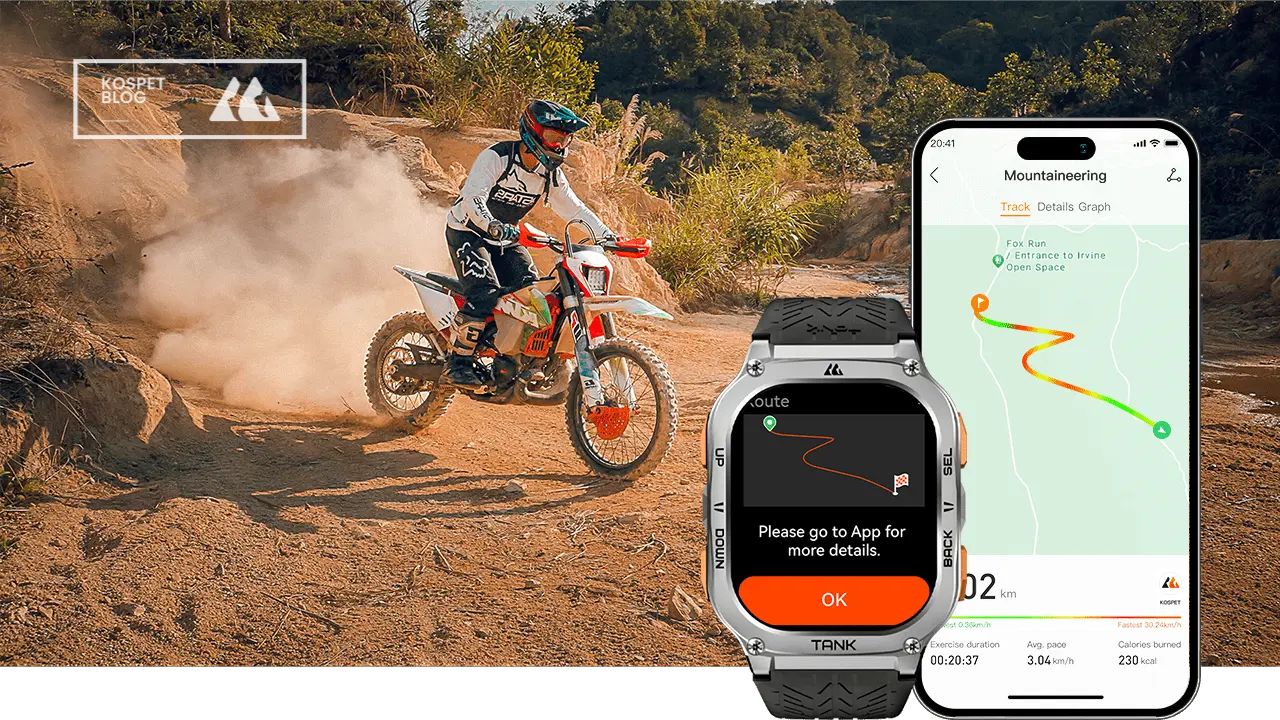



গাছের পাতা স্যাটেলাইট সংকেতকে শুধু আপনার কব্জিতে পৌঁছাতে বাধা দেওয়ার পরিবর্তে বিভিন্ন দিকে ছড়িয়ে দেয়। এই প্রাকৃতিক বাধার কারণে জঙ্গলে দীর্ঘ পথ হাঁটার সময় আপনার ডিভাইসের পক্ষে সঠিক সংকেত পাওয়া কঠিন হয়ে পড়ে। আপনার প্রযুক্তি কেন সমস্যা করে এবং চলার পথে কীভাবে তা ঠিক করা যায়, তা জেনে আপনি সুরক্ষিত থাকতে পারেন।
ঘন পাতায় সংকেত হ্রাস এবং জল শোষণ
গাছের পাতার ভেতরের পানি আপনার কব্জিতে পৌঁছানোর আগেই স্যাটেলাইট সংকেতের শক্তি শোষণ করে নেয়। এমনটা ঘটে কারণ আর্দ্রতা মহাকাশ থেকে পাঠানো মাইক্রোওয়েভ রেডিও সংকেতের জন্য স্পঞ্জের মতো কাজ করে।
যখন আপনি একটি ঘন জঙ্গলে প্রবেশ করেন, তখন আপনি এমন একটি অঞ্চলে প্রবেশ করেন যেখানে বাতাসে গাছপালার মধ্যে আটকে থাকা জলে পূর্ণ থাকে। এই জল সংকেতের শক্তি শুষে নেয়, যতক্ষণ না তা এতটাই ক্ষীণ হয়ে যায় যে আপনার ঘড়ি তা শুনতে পায় না। কীভাবে তা হয় সে সম্পর্কে আপনি আরও পড়তে পারেন। জিপিএস সংকেত হলো মাইক্রোওয়েভ রেডিও তরঙ্গ যেগুলো তরলের মধ্য দিয়ে যেতে সংগ্রাম করে।
বিভিন্ন পরিবেশ আপনার সংকেতকে কীভাবে প্রভাবিত করে:
| বনের ধরণ | সংকেতের শক্তি হ্রাস | নির্ভুলতার প্রভাব |
|---|---|---|
| খোলা মাঠ | ০ শতাংশ | অত্যন্ত উচ্চ নির্ভুলতা |
| হালকা পাইন বন | ৩০ থেকে ৫০ শতাংশ | মাঝারি নির্ভুলতা |
| গভীর রেইনফরেস্ট | ৯০ শতাংশ বা তার বেশি | খুব কম নির্ভুলতা |
প্রত্যেক মজবুত জিপিএস স্মার্টওয়াচ দাম নির্বিশেষে এটি একই শারীরিক চ্যালেঞ্জের মুখোমুখি হয়। আপনি বনের যত গভীরে যাবেন, আপনার ডিভাইস আকাশ থেকে তত কম তথ্য পাবে। বন বিশেষজ্ঞদের গবেষণা থেকে দেখা যায় যে একটি গাছের ঘন আচ্ছাদনের কারণে ৯০ শতাংশ পর্যন্ত সংকেত হ্রাস পেতে পারে। মাত্র ২০ মিটার গভীরতায়। আপনি হয়তো লক্ষ্য করবেন যে আপনার বর্তমান গতি মুহূর্তের মধ্যে প্রতি মাইল পাঁচ মিনিট থেকে বেড়ে দশ মিনিট হয়ে গেছে। এমনটা ঘটে কারণ ঘড়িটি খুবই দুর্বল তথ্যের উপর ভিত্তি করে আপনার অবস্থান অনুমান করছে।
মাল্টিপাথ ত্রুটি এবং জিএনএসএস সংকেত প্রতিফলন
স্যাটেলাইট সংকেত গাছপালা ও ভূমির পৃষ্ঠ থেকে প্রতিফলিত হয়ে আপনার নেভিগেশন ডিভাইসের জন্য সংকেত বিভ্রান্তি তৈরি করে। এই সংকেতগুলোকে পুকুরের পানিতে একসাথে কয়েকটি পাথর ফেলার পর সৃষ্ট ঢেউয়ের মতো ভাবুন।
ঢেউগুলো তীরে আছড়ে পড়ে এবং ফিরে এসে এক এলোমেলো তরঙ্গের নকশা তৈরি করে। স্যাটেলাইট থেকে আসা সরাসরি তরঙ্গের পরিবর্তে এই ফিরে আসা তরঙ্গগুলো দেখে আপনার ঘড়িটি বিভ্রান্ত হয়ে পড়ে।
অস্ট্রেলিয়া থেকে একটি বাস্তব উদাহরণ:
আমার মনে আছে এক পরিষ্কার দিনের কথা ড্যানডেনং রেঞ্জ মেলবোর্নের কাছে। আমি ছিলাম বিশাল ফার্ন আর প্রকাণ্ড মাউন্টেন অ্যাশ গাছে ভরা এক উপত্যকার মধ্যে দিয়ে ট্রেইল ধরে দৌড়াচ্ছিলাম। একটা খাড়া চড়াইয়ের মাঝখানে হঠাৎ আমার ঘড়িতে দেখা গেল আমি ঘণ্টায় ষাট মাইল বেগে দৌড়াচ্ছি। সংকেতটা আমার হাতে পৌঁছানোর আগে ভেজা গাছের গুঁড়ি আর গিরিখাতের দেয়াল থেকে প্রতিফলিত হচ্ছিল।
"রিপল এফেক্ট" প্রক্রিয়া:
- উপগ্রহটি পৃথিবীর দিকে একটি সুস্পষ্ট সংকেত পাঠায়।
- সংকেতটি একটি ভেজা গাছের গুঁড়ি বা মোটা ডালে গিয়ে লাগে।
- সংকেতটি আয়নার মতো একটি নতুন দিকে প্রতিফলিত হয়।
- আপনার ঘড়িটি প্রতিফলিত সংকেতটি এক সেকেন্ডের ভগ্নাংশ পরিমাণ দেরিতে গ্রহণ করে।
- ডিভাইসটি মনে করছে আপনি আপনার আসল পথ থেকে শত শত ফুট দূরে আছেন।
কমপ্যাক্ট রাগড জিপিএস স্মার্টওয়াচগুলির হার্ডওয়্যারগত সীমাবদ্ধতা
আপনার ঘড়ির ভেতরের ছোট অ্যান্টেনাগুলো শক্তি হারায়, কারণ পুরু আবরণের মধ্য দিয়ে দুর্বল সংকেত গ্রহণ করার মতো যথেষ্ট আকার এদের নেই। ডিভাইসটিকে হালকা রাখার পাশাপাশি প্রকৌশলীদেরকে জিপিএস রিসিভারটিকে আপনার কব্জির খুব ছোট একটি জায়গায় স্থাপন করতে হয়। এই নকশার কারণে অ্যান্টেনাটি আপনার গাড়ি বা হ্যান্ডহেল্ড ডিভাইসের অ্যান্টেনার মতো বড় বা শক্তিশালী হতে পারে না।
অ্যান্টেনা বনাম দেখুনপেশাদার সরঞ্জাম:
- মজবুত স্মার্টওয়াচ: ছোট অভ্যন্তরীণ অ্যান্টেনা, যা আরাম এবং ব্যাটারির আয়ুষ্কালের কথা মাথায় রেখে তৈরি।
- হ্যান্ডহেল্ড জিপিএস ইউনিট: বৃহৎ বাহ্যিক অ্যান্টেনা, যা মূল সংকেত শক্তির উপর দৃষ্টি নিবদ্ধ করে।
- স্মার্টফোন: মাঝারি আকারের অ্যান্টেনা, যা অবস্থান নির্ণয়ে সেলুলার টাওয়ার ব্যবহার করে।
আপনার ট্রেইল রানিংয়ের পারফরম্যান্স ঘড়ির কেসের ভেতরে থাকা এই ছোট্ট ধাতব টুকরোটির ওপর নির্ভর করে। যখন বেশিরভাগ সিগন্যাল হারিয়ে যায়, তখন হার্ডওয়্যারটি পারিপার্শ্বিক কোলাহল থেকে আসল ডেটা আলাদা করতে হিমশিম খায়। আপনি একটি ঘড়ি থেকে জঙ্গলের মাঝখানে থাকা কোনো সামরিক মানের বেস স্টেশনের মতো কাজ করার আশা করতে পারেন না। এই সীমাবদ্ধতাটি বুঝতে পারলে, আপনার স্ক্রিনের সংখ্যাগুলো কিছুটা অদ্ভুত মনে হলেও আপনি শান্ত থাকতে পারবেন।
প্রযুক্তিগত সমাধান হিসেবে ডুয়াল-ব্যান্ড জিএনএসএস এবং মাল্টি-স্যাটেলাইট সাপোর্ট
নতুন ঘড়িগুলো একই সময়ে দুটি ভিন্ন স্যাটেলাইট ফ্রিকোয়েন্সি শুনে সিগন্যালের বিভ্রান্তি দূর করে। এই প্রযুক্তি আপনার অবস্থান যাচাই করার জন্য L1 এবং L5 ফ্রিকোয়েন্সি ব্যবহার করে। যদি L1 সিগন্যাল কোনো গাছ থেকে প্রতিফলিত হয়, তবে L5 সিগন্যালটি সাধারণত সঠিক রিডিং দেওয়ার জন্য যথেষ্ট পরিষ্কার থাকে। আপনি জানতে পারেন কিভাবে। ডুয়াল-ব্যান্ড জিএনএসএস প্রযুক্তি প্রতিকূল পরিবেশে নির্ভুলতা বাড়ায়।
কেন ডুয়াল-ব্যান্ড সবকিছু বদলে দেয়:
- পুনরায় যাচাই করুন: ঘড়িটি সত্য উদ্ঘাটনের জন্য দুটি ভিন্ন সংকেত পর্যবেক্ষণ করে।
- ফিল্টারিং: এটি স্বয়ংক্রিয়ভাবে প্রতিফলন বা ঢেউয়ের মতো দেখতে সংকেতগুলোকে উপেক্ষা করে।
- স্থিতিশীলতা: আপনার মানচিত্রটি আঁকাবাঁকা রেখার পরিবর্তে একটি মসৃণ রেখার মতো দেখাচ্ছে।
শুধু GPS-এর পরিবর্তে GNSS ব্যবহার করলে আপনার দৃষ্টিসীমার মধ্যে আরও বেশি স্যাটেলাইট যুক্ত হয়। আপনি একই সাথে মার্কিন যুক্তরাষ্ট্র, ইউরোপ, রাশিয়া এবং চীনের স্যাটেলাইটের সাথে সংযোগ স্থাপন করতে পারেন। আকাশে আরও বেশি স্যাটেলাইট থাকার ফলে গাছের পাতার ফাঁক দিয়েও সিগন্যাল খুঁজে পাওয়া অনেক সহজ হয়ে যায়।
সফটওয়্যার অপ্টিমাইজেশন এবং স্যাটেলাইট এফিমেরিস ডেটা
আপনি দৌড় শুরু করার আগে আপনার স্মার্টফোন সেলুলার ডেটার মাধ্যমে সর্বশেষ স্যাটেলাইটের অবস্থান ডাউনলোড করে জিপিএস-এর নির্ভুলতা বাড়ায়। এই ডেটা আপনার ঘড়ির জন্য একটি সহায়িকা হিসেবে কাজ করে। এটি ডিভাইসটিকে বলে দেয় যে প্রতিটি স্যাটেলাইটের জন্য আকাশের ঠিক কোথায় খুঁজতে হবে। এর ফলে সিগন্যাল খোঁজার প্রক্রিয়াটি অনেক দ্রুত হয়, তাই আপনি অপেক্ষা না করেই আপনার দৌড় শুরু করতে পারেন।
সফলতার জন্য আপনার দৌড়ের পূর্ববর্তী চেকলিস্ট:
- যখন আপনার ওয়াই-ফাই বা ৫জি থাকবে, তখন আপনার ফোনে ঘড়ির অ্যাপটি খুলুন।
- স্যাটেলাইট লোকেশন ফাইলগুলো আপডেট করতে আপনার ঘড়িটি সিঙ্ক করুন।
- আপনার জিপিএস মোড 'অল সিস্টেমস' বা 'ডুয়াল-ব্যান্ড'-এ সেট করা আছে কিনা তা পরীক্ষা করুন।
- ঘড়িতে একটি স্থির সবুজ সংকেত আইকন দেখা যাওয়ার পরেই আপনার টাইমার চালু করুন।
এই সহজ অভ্যাসটি নিশ্চিত করে যে আপনার জঙ্গলের দিকনির্দেশনা সর্বোত্তম সম্ভাব্য তথ্য দিয়ে শুরু হয়। আপনি যদি এই ধাপটি এড়িয়ে যান, তবে আপনার ঘড়িকে ঘন পাতার মধ্য দিয়ে অন্ধভাবে স্যাটেলাইট খুঁজতে হয়। এর ফলে প্রায়শই আপনার যাত্রার প্রথম কয়েক মাইল জিপিএস-এর নির্ভুলতা কম থাকে।
যখন জিপিএস কাজ করে না: নির্ভরযোগ্য বিকল্প হিসেবে কাগজের মানচিত্র
যখন আপনার ইলেকট্রনিক সরঞ্জামগুলো কাজ করা বন্ধ করে দেয়, তখন কাগজের মানচিত্র এবং একটি বাস্তব কম্পাস পথ খুঁজে পাওয়ার একটি নির্ভরযোগ্য উপায়। ইলেকট্রনিক যন্ত্রের ব্যাটারি ফুরিয়ে যেতে পারে বা কোনো গভীর গিরিখাতে এর সংকেত হারিয়ে যেতে পারে। একটি বাস্তব মানচিত্র কখনোই পৃথিবীর সাথে তার সংযোগ হারায় না এবং এর জন্য কখনো চার্জিং কেবলের প্রয়োজন হয় না। মানচিত্র সাথে রাখা একজন পেশাদার অভিযাত্রীর পরিচায়ক, যিনি প্রকৃতির শক্তিকে সম্মান করেন।
কেন প্রত্যেক পর্বতারোহীর একটি কাগজের ব্যাকআপ প্রয়োজন:
- নির্ভরযোগ্যতা: এটা বৃষ্টিতে, ঠান্ডায় এবং গভীরতম জঙ্গলেও কাজ করে।
- দৃষ্টিকোণ: শুধু একটি ছোট পর্দায় নয়, আপনি পুরো পর্বতমালাটি একবারে দেখতে পারবেন।
- নিরাপত্তা: ন্যাশনাল পার্ক সার্ভিসের মতো সংস্থাগুলো সবসময় মানচিত্র ও কম্পাস সঙ্গে রাখার পরামর্শ দেয়।
আপনার ভেস্টের ভেতরে একটি জলরোধী ব্যাগে আপনার ট্রেইল রানিং রুটের একটি মানচিত্র সবসময় রাখা উচিত। কাগজের উঁচু-নিচু অংশগুলোর সাথে আপনার সামনে যা দেখছেন তা মিলিয়ে নিতে চোখ ব্যবহার করুন। আপনার কব্জির প্রযুক্তি অচল হয়ে গেলেও এই দক্ষতা আপনাকে সঠিক পথে এগিয়ে যেতে সাহায্য করে।
উপসংহার
জঙ্গলে সিগন্যাল হারিয়ে যাওয়া একটি ভৌত সমস্যা, যা ভেজা পাতা এবং তরঙ্গের প্রতিধ্বনির কারণে ঘটে থাকে। আপনি একটি ব্যবহার করে এই সমস্যাগুলোর বেশিরভাগই সমাধান করতে পারেন। ডুয়াল-ব্যান্ড প্রযুক্তিসম্পন্ন মজবুত জিপিএস স্মার্টওয়াচ যা আপনার ডেটা আপ-টু-ডেট রাখে। যদি স্ক্রিন কাজ করা বন্ধ করে দেয়, শান্ত থাকুন এবং আপনার ৩-ধাপের জরুরি পরিকল্পনাটি ব্যবহার করুন: কোনো ফাঁকা জায়গায় থামুন, সিগন্যাল পাওয়ার জন্য ষাট সেকেন্ড অপেক্ষা করুন এবং আপনার কাগজের মানচিত্রটি দেখুন।
প্রায়শই জিজ্ঞাসিত প্রশ্নাবলী
সিগন্যাল লাফিয়ে উঠলে কি আমার ঘড়িটা নষ্ট হয়ে যায়?
না, আপনার ঘড়িটি ঠিক আছে, কিন্তু গাছপালা ও মাটির পৃষ্ঠ থেকে সংকেত প্রতিফলিত হচ্ছে।
আরও দামী একটি ঘড়ি কি সমস্যাটি পুরোপুরি সমাধান করে দেবে?
উন্নত চিপ যোগ করার মাধ্যমে দাম কিছুটা সাহায্য করে, কিন্তু খুব গভীর জঙ্গলে পদার্থবিদ্যা সবসময়ই সংকেতকে সীমিত রাখবে।
জিপিএস সিগন্যাল হারিয়ে গেলে আমার কি দৌড়ানো বন্ধ করে দেওয়া উচিত?
আপনি চলতে পারেন, কিন্তু আপনার সঠিক অবস্থান যাচাই করার প্রয়োজন হলে এক মিনিটের জন্য থামুন।