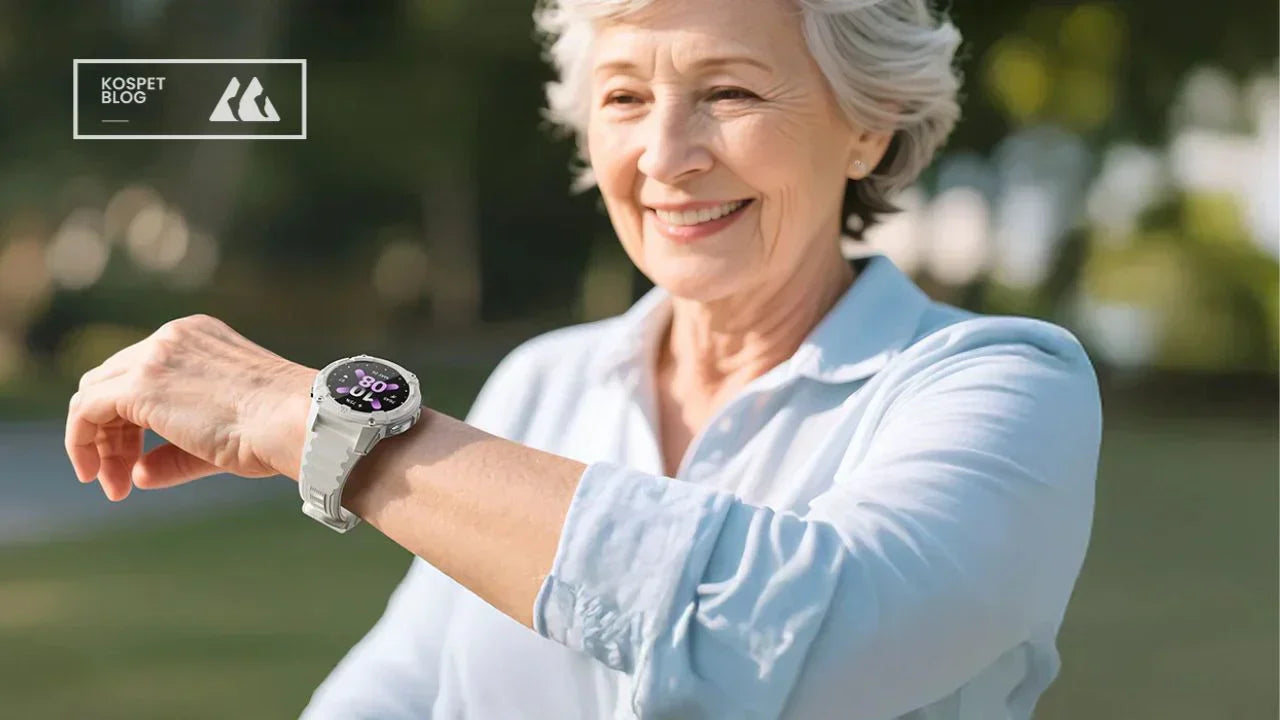



দৈনন্দিন হাঁটার জন্য স্মার্ট হেলথ ওয়াকিং ওয়াচ হলো এমন একটি যন্ত্র যা মানুষকে স্পষ্টভাবে স্বাস্থ্যের অবস্থা ট্র্যাক করতে এবং নিয়মিত হাঁটা বজায় রাখতে সাহায্য করে। বেশিরভাগ নিত্যনৈমিত্তিক হাঁটার অভ্যাসের জন্য উন্নত স্পোর্টস ফিচারের প্রয়োজন হয় না। তাদের প্রয়োজন সঠিক স্টেপ ট্র্যাকিং, সাধারণ হার্ট রেট ডেটা, আরামদায়ক পরিধান এবং দৈনন্দিন ব্যবহারের জন্য যথেষ্ট ব্যাটারি লাইফ।
স্মার্ট হেলথ ওয়াকিং ওয়াচ কী?
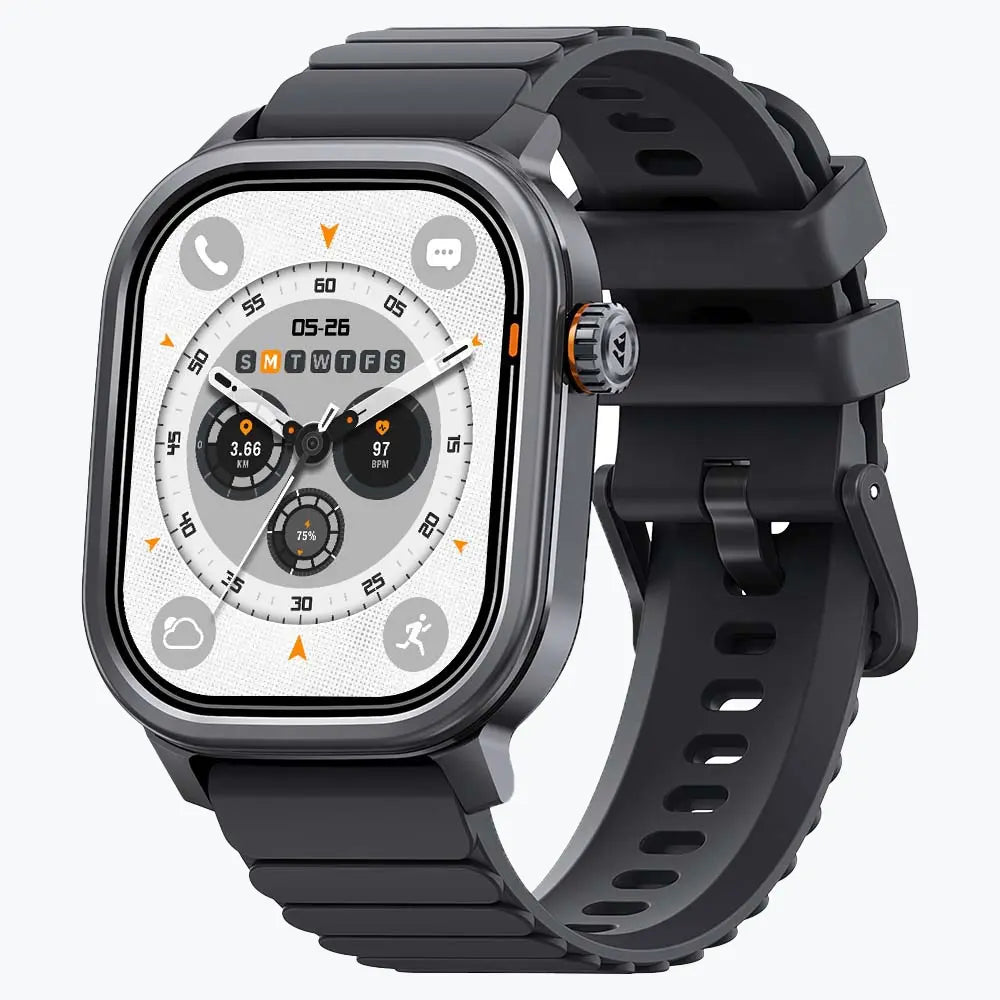
একটি স্মার্ট স্বাস্থ্য হাঁটার ঘড়ি এটি এমন একটি ঘড়ি যা দৈনন্দিন হাঁটার সহায়তার সাথে সাধারণ স্বাস্থ্য ট্র্যাকিংয়ের সুবিধা দেয়। এটি শুধু পদক্ষেপ গণনা করার চেয়েও বেশি কিছু করে। এটি হৃদস্পন্দন, ঘুম, ক্যালোরি খরচ, কার্যকলাপের সময় এবং দৈনন্দিন চলাচলের প্রবণতাও ট্র্যাক করতে পারে। ফলে এটি শুধু হাঁটার সময়ই নয়, বরং পুরো দিন জুড়েই কার্যকর।
কী এটিকে আলাদা করে তোলে
একটি সাধারণ স্পোর্টস ওয়াচ প্রায়শই গতি, প্রশিক্ষণের মাত্রা এবং ওয়ার্কআউটের পারফরম্যান্সের উপর মনোযোগ দেয়। একটি স্মার্ট হেলথ ওয়াকিং ওয়াচ দৈনন্দিন চলাচল, স্বাস্থ্যকর অভ্যাস এবং সহজে পাঠযোগ্য ফিডব্যাকের উপর বেশি মনোযোগ দেয়। এটি গুরুত্বপূর্ণ কারণ বেশিরভাগ দৈনিক পদচারণার জন্য জটিল প্রশিক্ষণের তথ্যের প্রয়োজন হয় না। তাদের প্রয়োজন তারা কতটা হেঁটেছেন এবং সেই চলাচল তাদের স্বাস্থ্যের সাথে কীভাবে সম্পর্কিত, তার একটি স্পষ্ট রেকর্ড।
এটা কার জন্য
এই ধরনের ঘড়ি তাদের জন্য উপযুক্ত যারা খাওয়ার পর, মধ্যাহ্নভোজের বিরতিতে, পাড়ায়, পার্কে বা কর্মস্থলে যাওয়ার পথে হাঁটেন। এটি নতুনদের, অফিস কর্মীদের, বয়স্কদের এবং যারা নিয়মিত চলাচলের মাধ্যমে ওজন কমানোর চেষ্টা করছেন, তাদের জন্যও উপযুক্ত। তাদের সাধারণ চাহিদাটি খুবই সহজ। তারা এমন স্বাস্থ্য তথ্য চান যা দৈনন্দিন জীবনে দরকারি বলে মনে হয়।
কেন প্রতিদিন হাঁটার জন্য একটি সাধারণ স্টেপ কাউন্টারের চেয়েও বেশি কিছু প্রয়োজন
একটি সাধারণ স্টেপ কাউন্টার খুবই সীমাবদ্ধ, কারণ একটি মাত্র সংখ্যা দিয়ে হাঁটার সম্পূর্ণ তাৎপর্য বোঝানো যায় না। হালকা কাজের জন্য দশ হাজার পদক্ষেপ এবং সন্ধ্যায় দ্রুত হাঁটার জন্য দশ হাজার পদক্ষেপ—দুটো এক ফল দেয় না। প্রতিটি ক্ষেত্রে শরীর ভিন্নভাবে কাজ করে, তাই স্বাস্থ্যের ফলাফলও ভিন্ন হয়। একটি স্মার্ট হেলথ ওয়াকিং ওয়াচ এই তথ্যে প্রাসঙ্গিক প্রেক্ষাপট যোগ করে, যা হাঁটার ডেটাকে আরও অর্থবহ করে তোলে।
অতিরিক্ত স্বাস্থ্য তথ্য যা যোগ করে
হৃদস্পন্দন ট্র্যাকিং এটি দেখায় শরীর কতটা পরিশ্রম করছে। কার্যকলাপের সময় দেখায় নড়াচড়া কতক্ষণ স্থায়ী হয়। ঘুমের হিসাব থেকে জানা যায়, দৈনন্দিন উন্নত নড়াচড়া ভালো বিশ্রামে সহায়তা করে কি না। ক্যালোরির আনুমানিক হিসাব দেখায়, ওজন নিয়ন্ত্রণে হাঁটা কতটা সহায়ক। এই বিবরণগুলো শুধুমাত্র পদক্ষেপ গণনার একটি সাধারণ হিসাবকে স্বাস্থ্যের একটি পূর্ণাঙ্গ চিত্রে পরিণত করে।
বাস্তব ব্যবহারে এটি কেন গুরুত্বপূর্ণ
যখন ডেটা অগভীর মনে হয়, ব্যবহারকারীরা প্রায়শই তাতে আগ্রহ হারিয়ে ফেলেন। একটি ঘড়ি তখন অনেক বেশি কার্যকর হয়ে ওঠে, যখন এটি একক সংখ্যার পরিবর্তে বিভিন্ন প্যাটার্ন বা ধারা দেখায়। একজন ব্যক্তি দেখতে পারেন যে দ্রুত হাঁটা হৃদস্পন্দন বেশি বাড়ায়, দীর্ঘক্ষণ হাঁটা দৈনিক শারীরিক কার্যকলাপের মোট পরিমাণ উন্নত করে, এবং স্থির গতিতে হাঁটা ভালো ঘুম ও কর্মশক্তি বাড়াতে সাহায্য করে। এটি অনুসন্ধানের পেছনের আসল প্রশ্নের উত্তর দিতে সাহায্য করে, যা শুধু এই নয় যে আমি কত পদক্ষেপ নিয়েছি, বরং আমার হাঁটা আমার স্বাস্থ্যের জন্য সহায়ক ছিল কি না।
একটি স্মার্ট হেলথ ওয়াকিং ওয়াচের সবচেয়ে দরকারি ফিচারগুলো
সবচেয়ে দরকারি বৈশিষ্ট্যগুলো হলো সেগুলো, যা দৈনন্দিন ব্যবহার, আরাম এবং বোধগম্যতাকে উন্নত করে। ক্রেতারা প্রায়শই বৈশিষ্ট্যের দীর্ঘ তালিকা দেখে বিভ্রান্ত হন, কিন্তু যারা প্রতিদিন হাঁটেন, তারা সাধারণত অল্প কিছু মৌলিক সরঞ্জাম থেকেই সবচেয়ে বেশি উপকৃত হন।
বৈশিষ্ট্য অগ্রাধিকার সারণী
| বৈশিষ্ট্য | প্রতিদিন হাঁটার জন্য এটি কেন গুরুত্বপূর্ণ | ব্যবহারকারীর জন্য প্রকৃত মূল্য |
|---|---|---|
| পদক্ষেপ ট্র্যাকিং | হাঁটা প্রধান কার্যকলাপ | দৈনিক গতিবিধি স্পষ্টভাবে দেখায় |
| হৃদস্পন্দন পর্যবেক্ষণ | হাঁটার তীব্রতা দেখায় | হৃদযন্ত্রের স্বাস্থ্য ও ওজন নিয়ন্ত্রণে সাহায্য করে। |
| ঘুমের ট্র্যাকিং | পুনরুদ্ধারের সাথে গতিবিধির সংযোগ স্থাপন করে | স্বাস্থ্য সম্পর্কে আরও পূর্ণাঙ্গ চিত্র তুলে ধরে |
| ব্যাটারির আয়ু | দৈনন্দিন পরিধান সমর্থন করে | চার্জিং ঘর্ষণ কমায় |
| আরামদায়ক ফিট | দীর্ঘক্ষণ পরিধানে উৎসাহিত করে | সামঞ্জস্য উন্নত করে |
| পরিষ্কার প্রদর্শন | বাইরে থেকেও ডেটা চেক করা সহজ করে তোলে | ব্যবহারকারীর অভিজ্ঞতা উন্নত করে |
সঠিক পদক্ষেপ ট্র্যাকিং হল ভিত্তি
সঠিকভাবে পদক্ষেপ গণনা করাই সবচেয়ে গুরুত্বপূর্ণ বৈশিষ্ট্য, কারণ হাঁটাই মূল লক্ষ্য। যে ঘড়ি পদক্ষেপ গণনায় ভুল করে বা ভুল পদক্ষেপ যোগ করে, তার ওপর আস্থা দ্রুত কমে যায়। বাইরে হাঁটা, ঘরের ভেতরে হাঁটা, অল্প সময়ের জন্য নড়াচড়া করা এবং সন্ধ্যায় দীর্ঘক্ষণ হাঁটার সময়ও নির্ভরযোগ্য পদক্ষেপ গণনা জরুরি। একবার মূল সংখ্যাটি ভুল মনে হলে, স্বাস্থ্য সম্পর্কিত বাকি তথ্যগুলোও দুর্বল বলে মনে হয়।
হৃদস্পন্দন পর্যবেক্ষণ একটি কার্যকরী অর্থ যোগ করে।
হৃদস্পন্দন পর্যবেক্ষণ হাঁটার তথ্যকে আরও কার্যকর করে তোলে, কারণ এটি শুধু দূরত্বই নয়, পরিশ্রমও প্রকাশ করে। হালকা পায়ে হাঁটা এবং দ্রুত গতিতে হাঁটার ফলে সময়ের সাথে সাথে পদক্ষেপের সংখ্যা প্রায় একই হতে পারে, কিন্তু শারীরিক প্রতিক্রিয়া এক হয় না। হৃদস্পন্দন ব্যবহারকারীদের বুঝতে সাহায্য করে যে কখন হাঁটাটা হালকা, কখন তা আরও সক্রিয় হয়ে ওঠে এবং কখন দৈনন্দিন নড়াচড়া হৃদপিণ্ডের স্বাস্থ্য রক্ষায় সহায়ক হতে শুরু করে।
ঘুমের হিসাব রাখা স্বাস্থ্যের দিকটিকে সমর্থন করে।
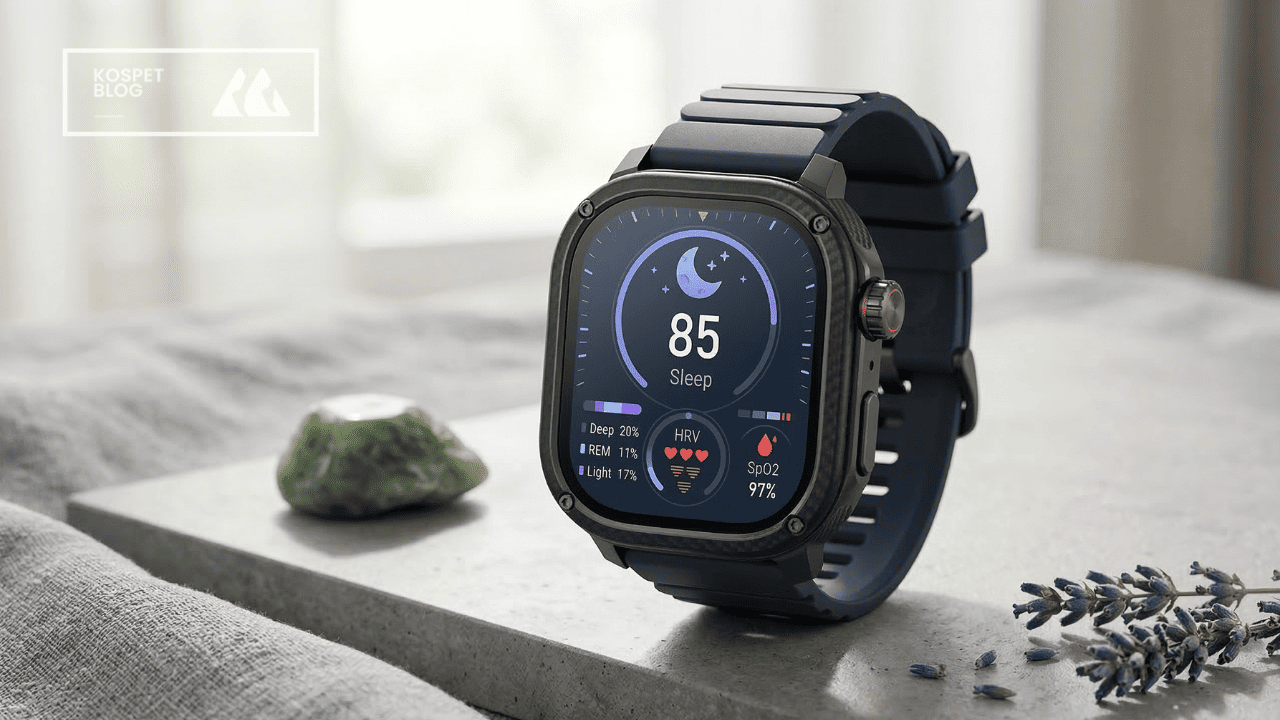
ঘুমের হিসাব রাখা গুরুত্বপূর্ণ, কারণ হাঁটা একটি বৃহত্তর স্বাস্থ্যকর রুটিনের অংশ। ভালো নড়াচড়া প্রায়শই ভালো বিশ্রামে সহায়তা করে, এবং ভালো বিশ্রাম পরের দিনের জন্য আরও বেশি শক্তি জোগায়। এর মানে এই নয় যে ঘড়ি কেনার প্রথম কারণই হলো ঘুমের হিসাব রাখা, তবে সময়ের সাথে সাথে এটি ঘড়িটিকে আরও মূল্যবান করে তোলে।
ব্যাটারির আয়ু এবং দীর্ঘমেয়াদী ব্যবহারের জন্য আরামদায়ক আকৃতি
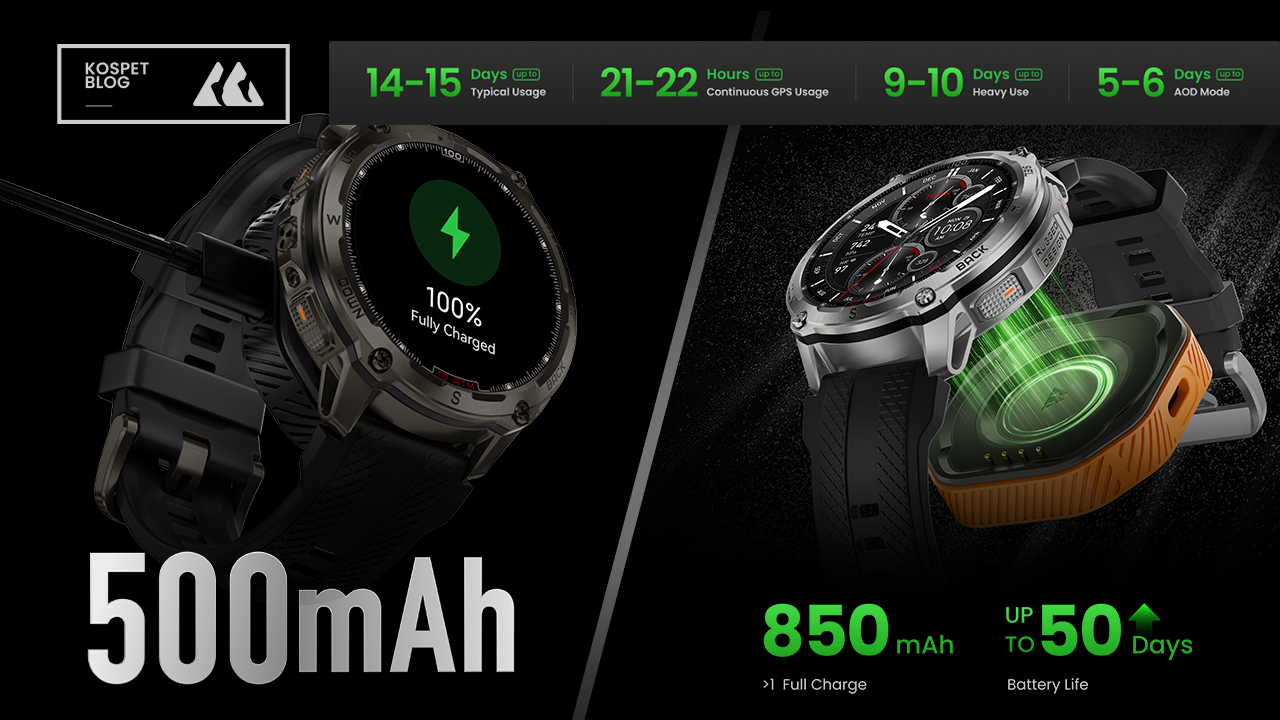
অনেক ক্রেতার প্রত্যাশার চেয়েও ব্যাটারির স্থায়িত্ব এবং আরাম দৈনন্দিন ব্যবহারকে বেশি প্রভাবিত করে। যে ঘড়িতে ঘন ঘন চার্জ দেওয়ার প্রয়োজন হয়, তা পরার অভ্যাস নষ্ট করে দেয়। একটি ভারী ঘড়ি বা শক্ত স্ট্র্যাপ কব্জিকে ক্লান্ত করে তুলতে পারে। একটি ওয়াকিং ওয়াচ তখনই সবচেয়ে ভালো কাজ করে, যখন মানুষ অনায়াসে সারাদিন এটি পরে থাকতে পারে এবং তারপরেও প্রয়োজনীয় স্বাস্থ্য তথ্য পেতে পারে।
এমন কিছু বৈশিষ্ট্য যা শুনতে আকর্ষণীয় মনে হলেও দৈনন্দিন হাঁটার জন্য তেমন গুরুত্বপূর্ণ নয়
অনেক উন্নত বৈশিষ্ট্য শুনতে আকর্ষণীয় মনে হলেও, যারা প্রতিদিন হাঁটেন তাদের জন্য এগুলোর উপযোগিতা সীমিত। বিশাল ওয়ার্কআউট তালিকা, উন্নত রিকভারি স্কোর, ট্রেনিং স্ট্যাটাস চার্ট এবং বিস্তারিত স্পোর্টস মেট্রিক্স আরও সিরিয়াস ব্যায়াম ব্যবহারকারীদের কাজে লাগে। যারা শুধু প্রতিদিন হাঁটার ওপর মনোযোগ দেন, তাদের জন্য এই অতিরিক্ত বিষয়গুলো উপযোগিতার পরিবর্তে প্রায়শই অপ্রয়োজনীয় বোঝা তৈরি করে।
কম গুরুত্বপূর্ণ বৈশিষ্ট্যগুলো প্রথমে
- বৃহৎ স্পোর্ট মোড লাইব্রেরি
- উন্নত প্রশিক্ষণ বিশ্লেষণ
- জটিল গতির অঞ্চল
- ভারী আউটডোর সরঞ্জাম
- অতিরিক্ত স্মার্ট অ্যালার্ট
কেন ক্রেতারা প্রায়শই বিভ্রান্ত হন
ক্রেতারা প্রায়শই বেশি ফিচারকে ভালো মূল্যের সাথে যুক্ত করেন। দৈনন্দিন হাঁটার ক্ষেত্রে, সহজ ব্যবহার, অধিক আরাম এবং স্পষ্ট স্বাস্থ্য ট্র্যাকিং সাধারণত ভালো মূল্যের পরিচায়ক। একটি সাধারণ ঘড়ি যা ভালোভাবে পদক্ষেপ গণনা করে, হৃদস্পন্দন স্পষ্টভাবে দেখায় এবং অনেক দিন টেকে, সেটি এমন একটি জটিল ঘড়ির চেয়ে বেশি কার্যকর হতে পারে যার ফিচারগুলো কখনোই ব্যবহৃত হয় না।
আপনার হাঁটার লক্ষ্যের উপর ভিত্তি করে সঠিক ঘড়ি কীভাবে বেছে নেবেন
হাঁটার কারণের ওপর নির্ভর করে সঠিক ওয়াকিং ওয়াচ বেছে নিতে হয়। বিভিন্ন ব্যবহারকারীর বিভিন্ন ধরনের সহায়তার প্রয়োজন হয়, তাই ঘড়িটি ব্যক্তি ও লক্ষ্যের সাথে মিলিয়ে নেওয়াই হলো সেরা উপায়।
| জন্য | প্রধান প্রয়োজন | সবচেয়ে দরকারী বৈশিষ্ট্য |
|---|---|---|
| যারা সক্রিয় থাকতে চান | প্রতিদিন হাঁটার একটি সাধারণ অভ্যাস বজায় রাখুন | পদক্ষেপ গণনা, নড়াচড়ার অনুস্মারক, আরামদায়ক পরিধান, দীর্ঘ ব্যাটারি লাইফ |
| যারা ওজন কমাতে চান | প্রচেষ্টা এবং দৈনন্দিন চলাচল আরও ভালোভাবে বুঝুন | হৃদস্পন্দন পর্যবেক্ষণ, ক্যালোরির আনুমানিক হিসাব, হাঁটার সময়কাল, সাপ্তাহিক কার্যকলাপের প্রবণতা |
| যারা হৃদস্বাস্থ্য নিয়ে সচেতন | সহজ ও নির্ভরযোগ্য স্বাস্থ্য প্রতিক্রিয়া পান | স্পষ্ট হৃদস্পন্দনের তথ্য, দৈনিক সারসংক্ষেপ, দীর্ঘমেয়াদী প্রবণতা |
| শিক্ষানবিস এবং বয়স্ক ব্যক্তিরা | প্রতিদিন সহজে ঘড়িটি ব্যবহার করুন | পাঠযোগ্য লেখা, সহজ মেনু, সহজে চার্জ করার সুবিধা, হালকা ও আরামদায়ক ফিট |
এই ধরনের সারণি পছন্দকে আরও স্পষ্ট করে তোলে, কারণ এটি ঘড়িটিকে সরাসরি ব্যবহারকারীর আসল লক্ষ্যের সাথে যুক্ত করে। কোন ঘড়িতে বেশি বৈশিষ্ট্য আছে, এই প্রশ্ন করার পরিবর্তে ক্রেতা জিজ্ঞাসা করতে পারেন যে, তিনি বাস্তবে যে ধরনের হাঁটাহাঁটি করেন, কোন ঘড়িটি তা সমর্থন করে।
একটি স্মার্ট হেলথ ওয়াকিং ওয়াচে কি আসলেই জিপিএস প্রয়োজন?
জিপিএস দরকারি, কিন্তু বেশিরভাগ নিত্যনৈমিত্তিক পথিকের জন্য এটিই প্রথম প্রয়োজন নয়। অনেক ব্যবহারকারী বাড়ির আশেপাশে, পরিচিত পার্কে, অফিসের বিরতিতে বা সাধারণ রাস্তা ধরে হাঁটেন। এইসব পরিস্থিতিতে, পথের মানচিত্রের চেয়ে পদক্ষেপ গণনা, হৃদস্পন্দন, আরাম এবং ব্যাটারির স্থায়িত্ব সাধারণত বেশি গুরুত্বপূর্ণ হয়ে ওঠে।
যখন GPS মূল্য যোগ করে
যারা বাইরের সঠিক দূরত্ব সম্পর্কে জানতে আগ্রহী, যেমন পথের দৈর্ঘ্য পরীক্ষা করা, পার্কের হাঁটার তুলনা করা, বা সপ্তাহজুড়ে হাঁটার পথ পর্যালোচনা করা, তাদের জন্য জিপিএস আরও বেশি উপযোগী হয়ে ওঠে। কিছু ব্যবহারকারীর জন্য জিপিএস একটি দরকারি অতিরিক্ত সুবিধা।, কিন্তু সকলের জন্য এটি অপরিহার্য নয়।
কেন জিপিএস সবসময় অগ্রাধিকার নয়
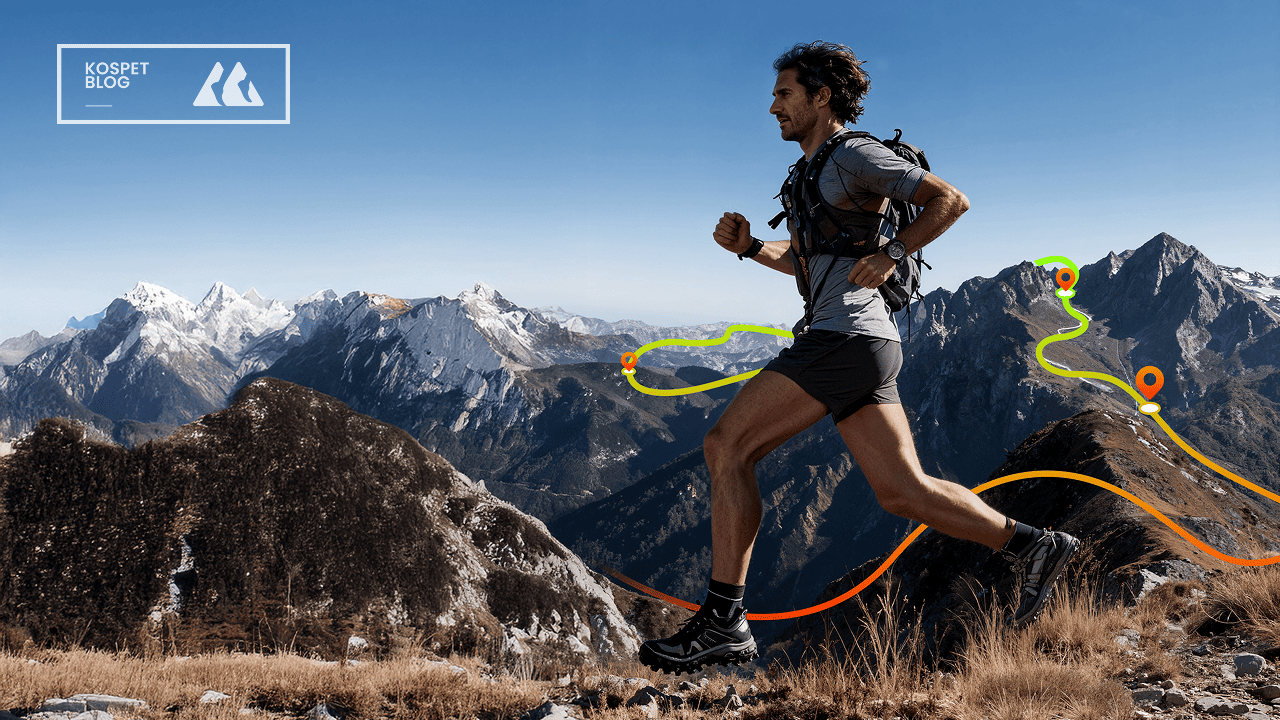
জিপিএস বেশি ব্যাটারি খরচ করে এবং পথের তথ্যের উপর বেশি মনোযোগ দেয়। অনেক নিত্যনৈমিত্তিক পথিক ম্যাপ ট্র্যাকিংয়ের চেয়ে শক্তিশালী স্বাস্থ্য ট্র্যাকিং থেকে বেশি সুবিধা পান। এই কারণেই হাঁটা-কেন্দ্রিক কেনাকাটার অনেক সিদ্ধান্তে জিপিএসকে দ্বিতীয় পছন্দ হিসেবে বিবেচনা করা উচিত।
উপসংহার
দৈনন্দিন হাঁটার জন্য সেরা স্মার্ট হেলথ ওয়াকিং ওয়াচ হলো সেটি, যা স্বাস্থ্যকর নড়াচড়া বোঝা এবং পুনরাবৃত্তি করা সহজ করে তোলে। বেশিরভাগ ব্যবহারকারীর কাছে, উন্নত প্রশিক্ষণ সরঞ্জামের চেয়ে সঠিক স্টেপ ট্র্যাকিং, হার্ট রেট মনিটরিং, স্লিপ সাপোর্ট, দীর্ঘস্থায়ী ব্যাটারি লাইফ এবং আরামদায়ক পরিধান বেশি গুরুত্বপূর্ণ।
একটি ভালো ওয়াকিং ওয়াচ স্পষ্ট তথ্যের মাধ্যমে দৈনন্দিন জীবনের দরকারি প্রশ্নগুলোর উত্তর দেয়। আমি কি আজ যথেষ্ট হেঁটেছি? আমার লক্ষ্য পূরণের জন্য আমার হাঁটা কি যথেষ্ট সক্রিয় ছিল? আমি কি এমন একটি স্বাস্থ্যকর রুটিন তৈরি করছি যা আমি বজায় রাখতে পারব? যে ঘড়ি এই প্রশ্নগুলোর ভালোভাবে উত্তর দিতে পারে, সেটিই প্রতিদিন হাঁটার জন্য সঠিক পছন্দ।
প্রায়শই জিজ্ঞাসিত প্রশ্নাবলী
একটি স্মার্ট হেলথ ওয়াকিং ওয়াচের সবচেয়ে দরকারি ফিচার কোনটি?
সঠিক স্টেপ ট্র্যাকিং হলো সবচেয়ে দরকারি ফিচার, কারণ এটি ঘড়িটির মূল উদ্দেশ্য পূরণে সহায়তা করে। হার্ট রেট মনিটরিং এবং ব্যাটারি লাইফও অনেক গুরুত্বপূর্ণ।
প্রতিদিন হাঁটার জন্য কি জিপিএস প্রয়োজন?
যারা প্রতিদিন হাঁটেন, তাদের অনেকের জন্য জিপিএস অপরিহার্য নয়। অধিকাংশ ব্যবহারকারীর কাছে স্বাস্থ্য পর্যবেক্ষণ, আরাম এবং ব্যাটারির স্থায়িত্ব দৈনন্দিন জীবনে বেশি মূল্যবান।
একটি স্মার্ট হেলথ ওয়াকিং ওয়াচ কি ওজন কমাতে সাহায্য করতে পারে?
একটি স্মার্ট হেলথ ওয়াকিং ওয়াচ পদক্ষেপ, হাঁটার সময়, ক্যালোরি খরচ এবং হৃদস্পন্দন ট্র্যাক করার মাধ্যমে ওজন কমাতে সাহায্য করতে পারে। এটি ব্যবহারকারীদের তাদের প্রচেষ্টা সম্পর্কে সচেতন থাকতে এবং ধারাবাহিকতা বজায় রাখতে সহায়তা করে।