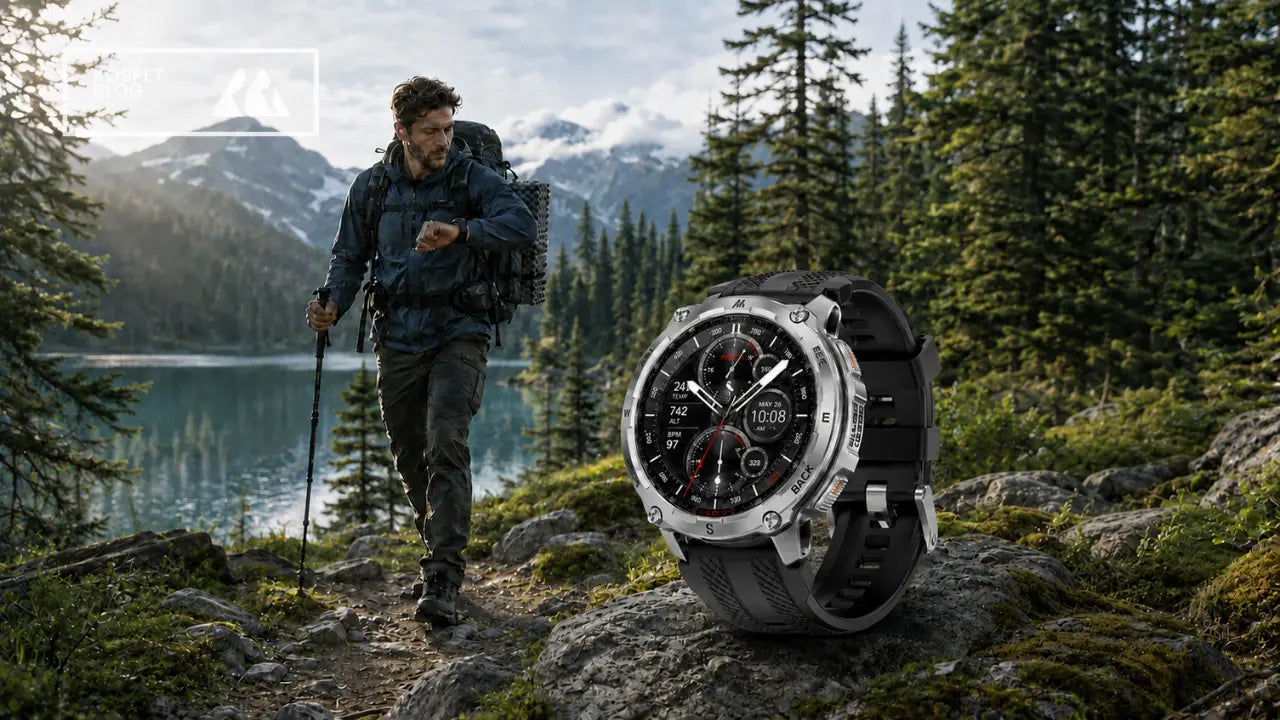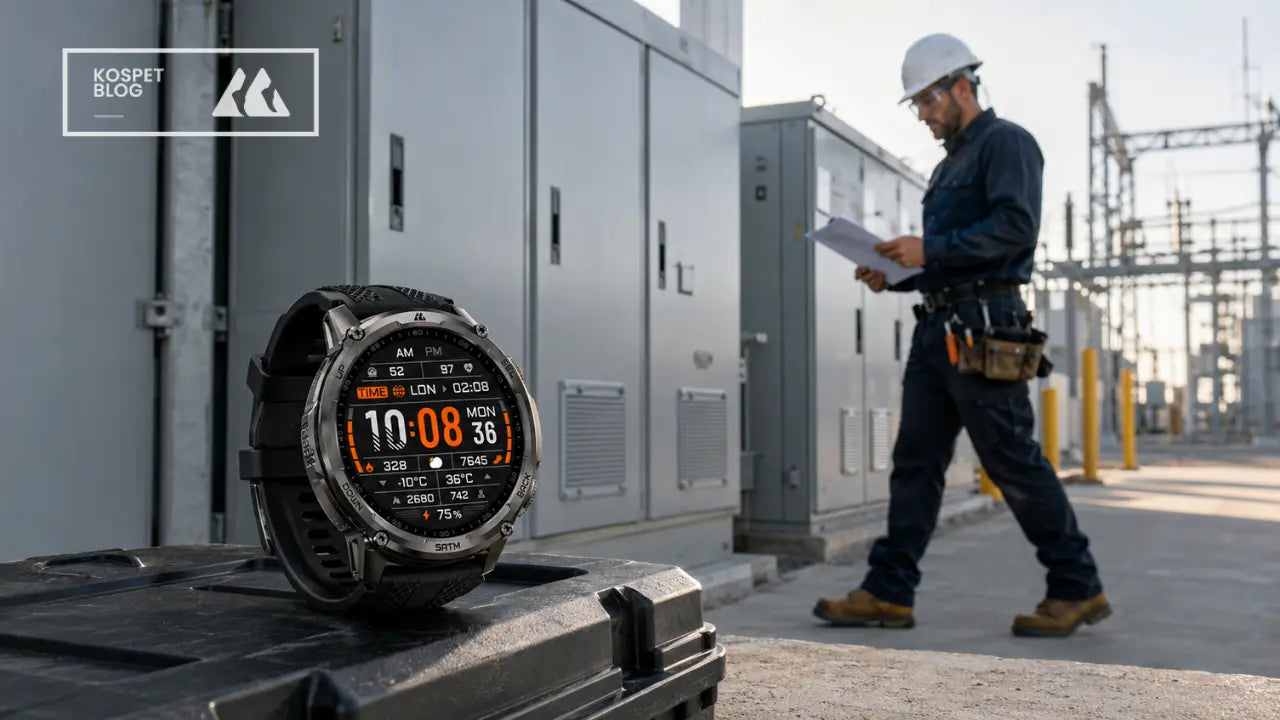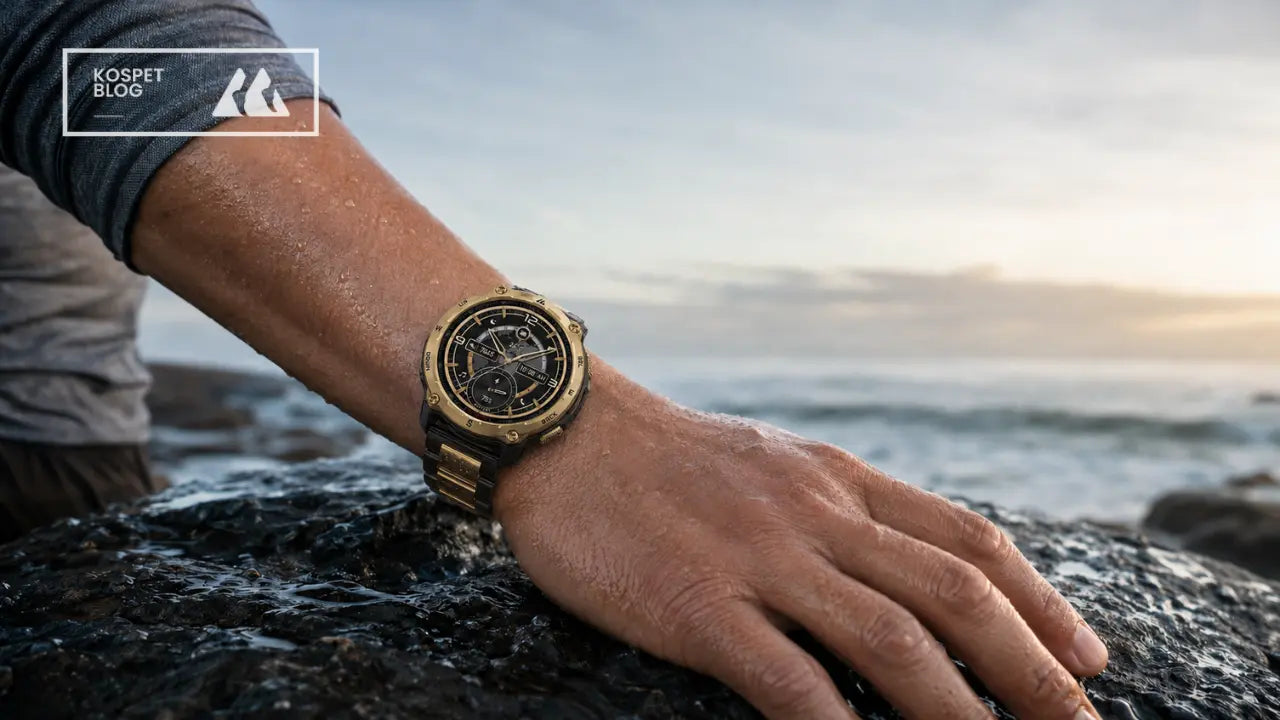




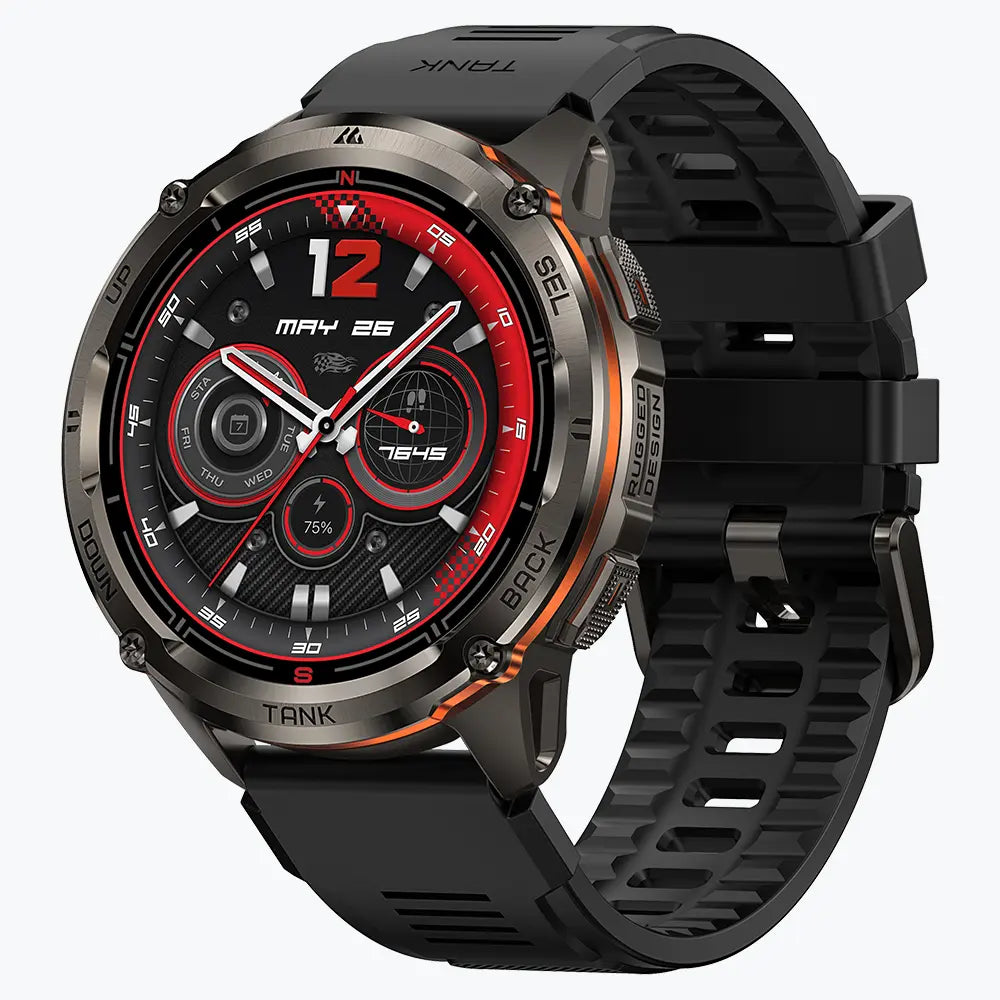
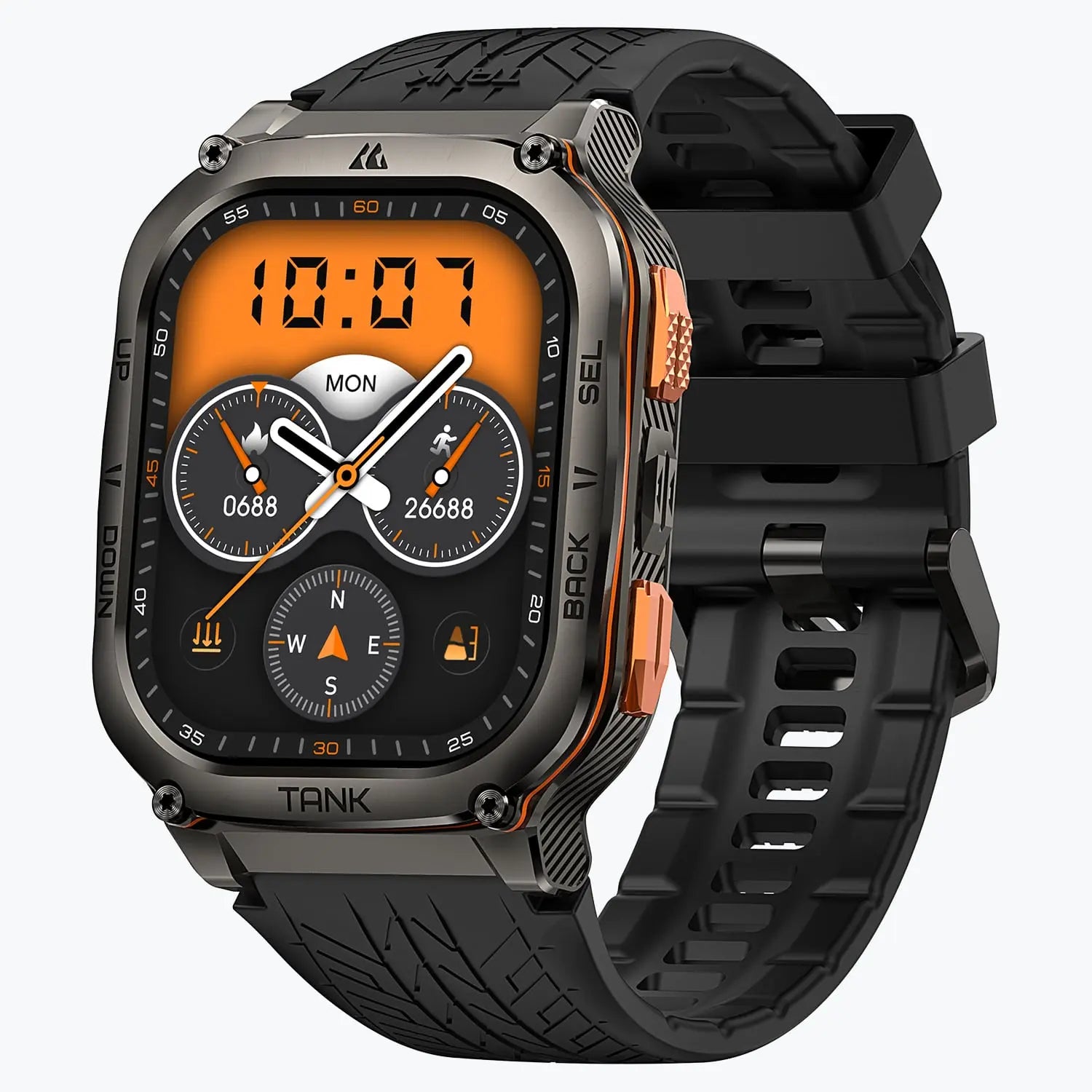


For mud, dust, sand, and desert riding, choose a smartwatch with IP6X-level dust protection, strong water resistance, named vibration and impact tests, a sunlight-readable display, and enough continuous GPS battery for the route.
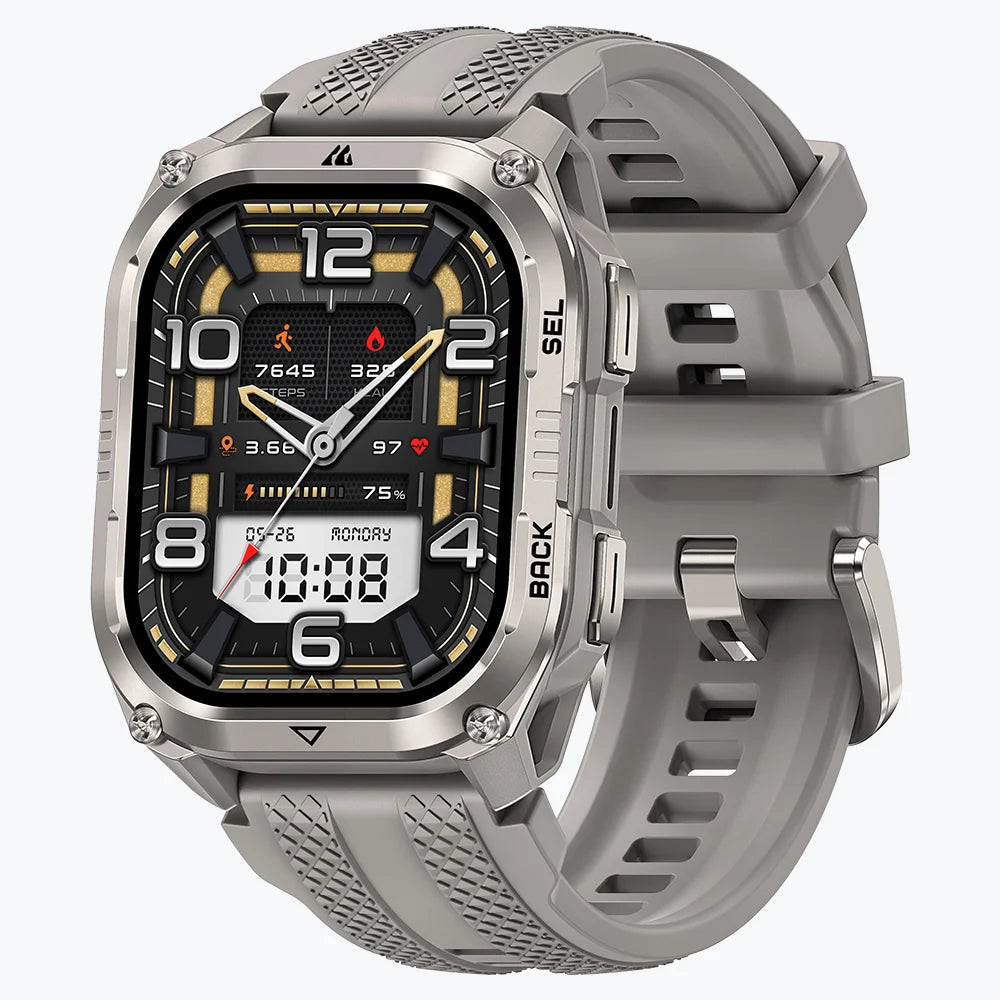
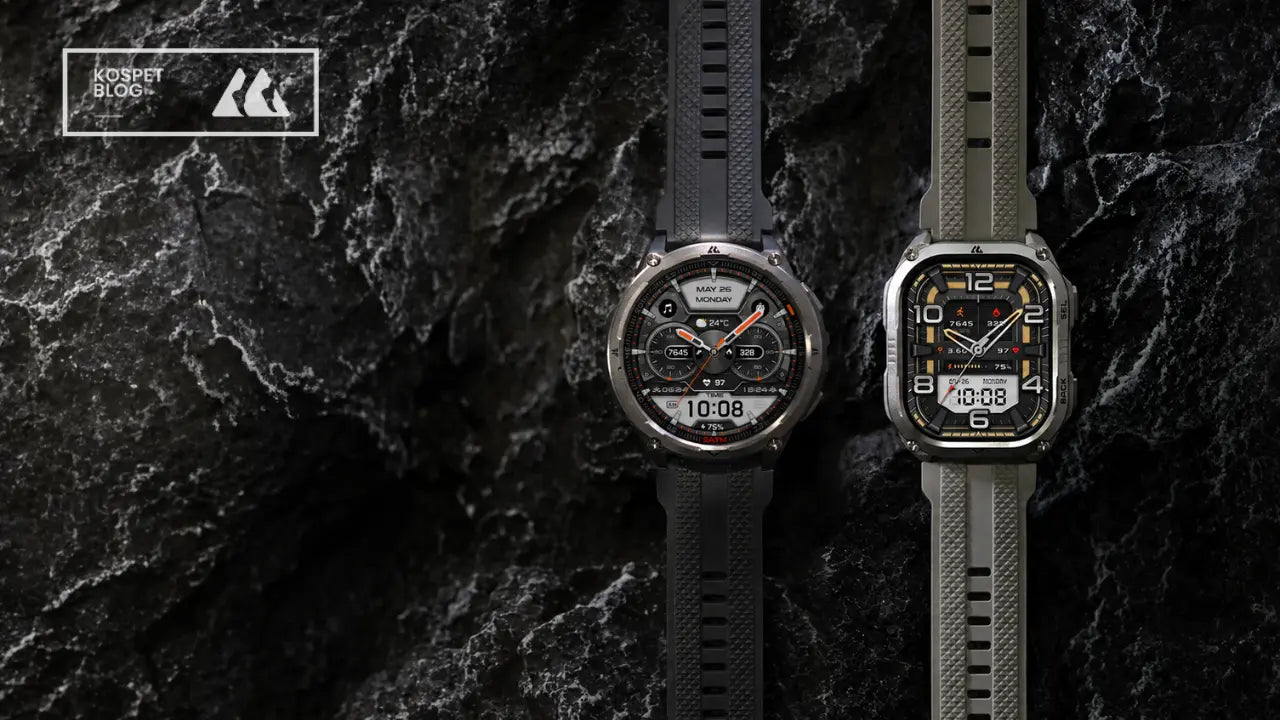
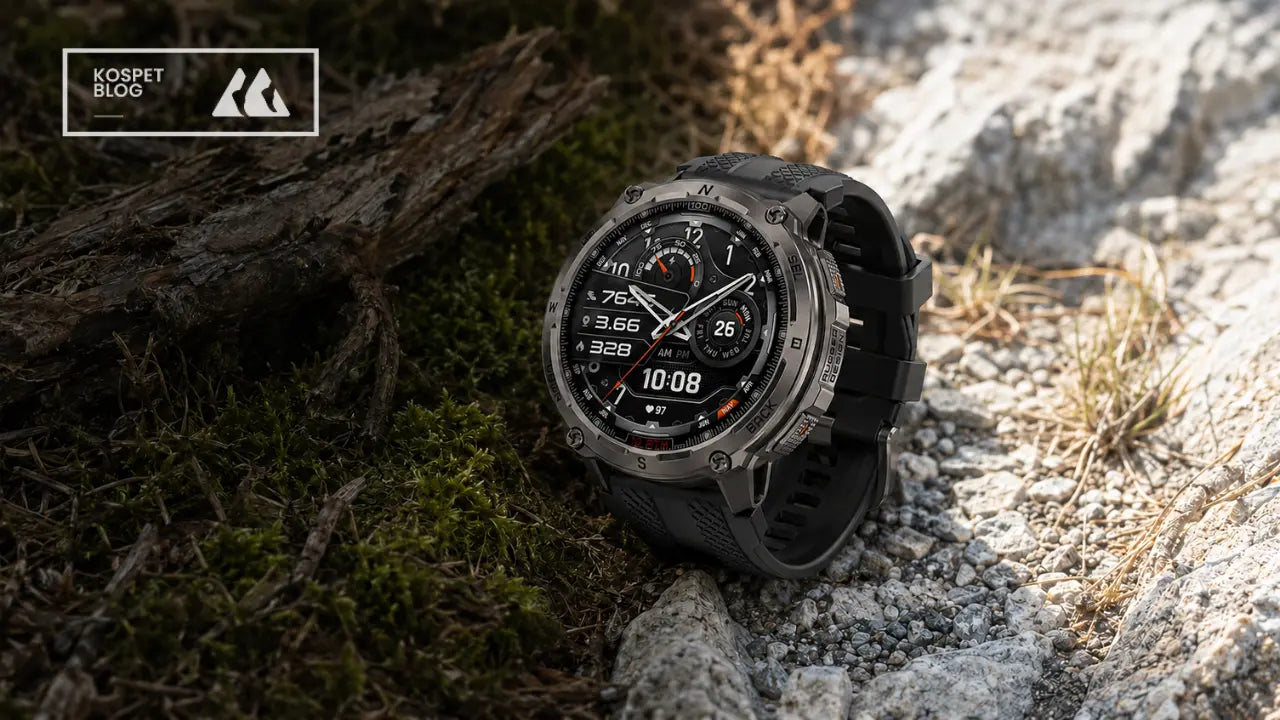
Among the KOSPET smartwatches compared here, TANK T4 is the strongest fit for unfamiliar desert routes, TANK T3 Ultra 2 suits longer rides on known tracks, and TANK T4C supports group rides and trail-side tasks. The rugged smartwatch collection provides all three options.

What Protection Does a Smartwatch Need for Mud, Dust, Sand, and Desert Heat?
A smartwatch for off-road riding and desert travel should meet four minimum requirements: a dust-tight enclosure, dependable water resistance, documented shock and vibration testing, and a published operating-temperature range.
In practical terms, choose at least IP68 with 5 ATM water resistance. If heavy mud, strong spray, or frequent rinsing is expected, raise the requirement to IP69 or IP69K.
| Riding condition | Protection to look for | What it means |
|---|---|---|
| Fine dust and desert sand | IP6X-level protection | The first digit must be 6. Under the IEC ingress-protection system, this indicates a dust-tight enclosure. IP68 and IP69 ratings already include this level of dust protection. |
| Mud, rain, and water crossings | IP68 with at least 5 ATM | IP68 protects the enclosure against dust and tested water immersion, while 5 ATM provides an additional water-resistance benchmark for the watch. The ISO 22810 water-resistance standard defines testing and marking requirements for water-resistant watches. |
| Heavy mud and strong spray | IP69 or IP69K | This is the preferred level when the watch may face forceful water spray or needs to be rinsed after a muddy ride. The IEC IP69 classification covers high-pressure, high-temperature water jets, while ISO 20653 defines IP protection testing for road-vehicle electrical equipment. |
| Repeated vibration and accidental impacts | Named vibration, shock, and drop tests | Look for published test categories covering vibration and mechanical shock. The MIL-STD-810 environmental testing framework includes methods for evaluating equipment under environmental stresses encountered during use. |
| Desert heat | Maximum operating temperature of at least 50°C (122°F) | The published figure should be an operating temperature, not only a storage temperature. A 50°C limit is a practical baseline because Death Valley summer temperatures frequently exceed 49°C; for the hottest desert routes, a 55°C operating limit provides a safer margin. |
The minimum acceptable combination is therefore IP68, 5 ATM, named vibration and shock tests, and a maximum operating temperature of at least 50°C. For rides involving heavy mud, forceful spray, or frequent washing, IP69 or IP69K should replace IP68 as the preferred enclosure rating.
Rugged Smartwatches for Off-Road Riding and Desert Travel
The right KOSPET model depends on the route. TANK T4 prioritizes offline navigation, TANK T3 Ultra 2 prioritizes longer GPS recording and Route Back, and TANK T4C adds lighting and close-range communication for group use. Their published differences are listed in KOSPET’s smartwatch comparison.
| Model | Best fit | Protection | Navigation | Continuous GPS | Key consideration |
|---|---|---|---|---|---|
| KOSPET TANK T4 | Unfamiliar or junction-heavy desert routes | 10 ATM + IP69K; 20 listed MIL-STD-810H tests | Offline maps, GPX/KML import, dual-band GNSS | Up to 21–22 hours | Plan charging for rides that exceed one GPS cycle |
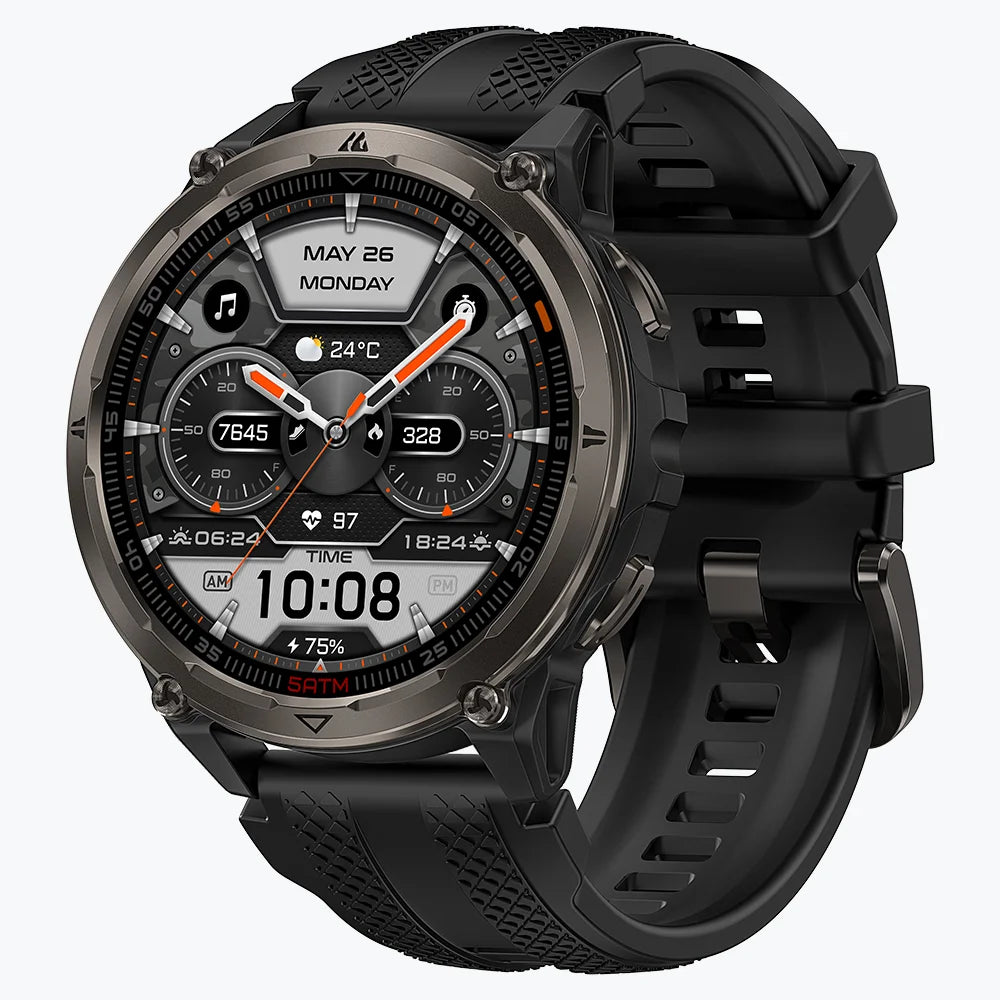
| KOSPET TANK T3 Ultra 2 | Long rides on known tracks | 5 ATM + IP69K; 15 listed MIL-STD-810H certifications | Route Back, dual-band GNSS, compass, barometric altimeter | Up to 35 hours | Route Back is designed for retracing rather than full map context |
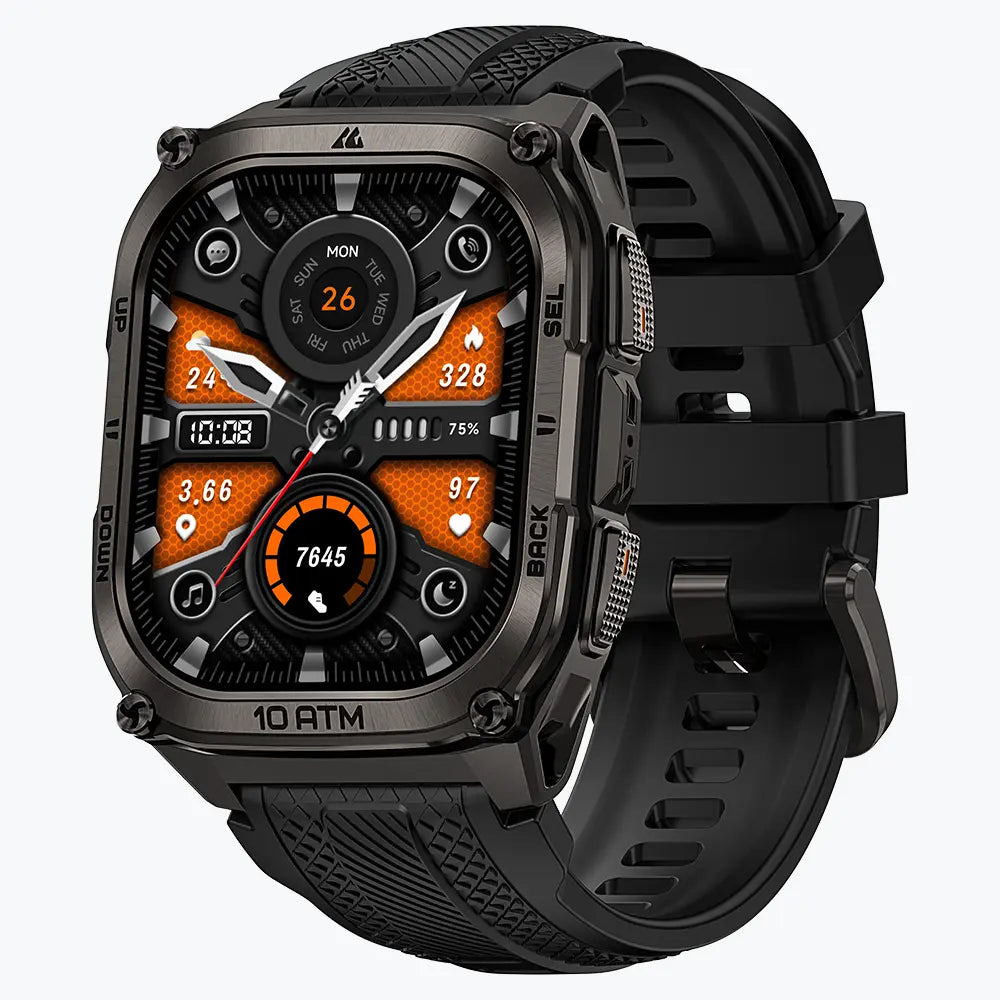
| KOSPET TANK T4C | Group rides, camp use, and trail-side repairs | 5 ATM + IP69K; reinforced rugged construction | Dual-band GPS, compass, altitude and pressure data | Up to 21 hours | The 40-meter intercom is intended for nearby riders |
KOSPET TANK T4: For Unfamiliar Desert Routes
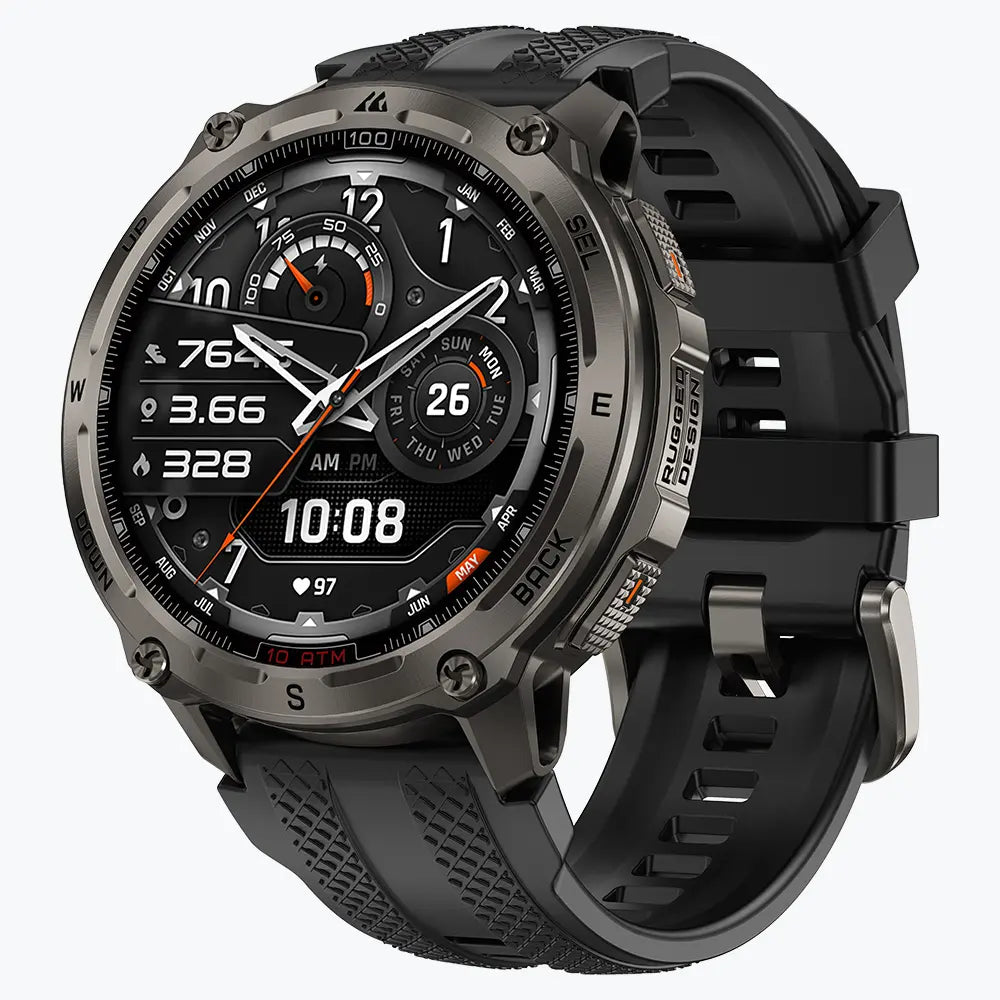
កូស្ពេត TANK នាឡិកាឆ្លាតវៃ T4
$209.99 USD
- Best for: Remote routes, multiple junctions, and areas where phone service may disappear.
- Why it fits: Offline maps show surrounding tracks, while GPX/KML import lets the route be prepared before departure.
- Key consideration: The published continuous GPS runtime is 21–22 hours, so multi-day trips need a charging plan.
- Recommendation: Choose TANK T4 when route context is more important than achieving the longest possible GPS recording time.
KOSPET TANK T3 Ultra 2: For Long Rides on Known Tracks
- Best for: Familiar loops, marked trails, and straightforward out-and-back rides.
- Why it fits: Up to 35 hours of continuous GPS supports longer ride days, while Route Back guides the rider along the recorded outbound track.
- Key consideration: Route Back provides return guidance without the surrounding road and trail detail of a full offline map.
- Recommendation: Choose TANK T3 Ultra 2 when GPS endurance matters more than onboard map context.
KOSPET TANK T4C: For Group Rides and Trail-Side Tasks
- Best for: Riders who need lighting for repairs, camp tasks, or nearby team coordination.
- Why it fits: A five-level flashlight and 40-meter walkie-talkie add practical tools alongside dual-band GPS and outdoor data.
- Key consideration: Its navigation focuses on positioning, compass, altitude, and pressure information rather than offline maps.
- Recommendation: Choose TANK T4C when group utility is more important than full route navigation.
Whichever model fits the ride, load routes before leaving coverage and carry a physical map, phone, or separate GPS as an independent backup. The National Park Service’s Ten Essentials recommends carrying both navigation tools and a physical map.
FAQs
Is IP69K Enough for Fine Desert Sand and Mud?
Yes for enclosure protection: the first digit 6 indicates dust-tight protection, while 9K addresses specified high-pressure water-jet exposure. Named shock and vibration tests add evidence for impacts and rough riding, and low-pressure fresh-water rinsing helps remove mud from external openings after the ride.
Can Offline Maps Work Without Phone Service?
Yes. Once maps and GPX/KML route files are loaded, built-in GNSS can provide location and route information without an active cellular connection. The TANK T4 navigation specifications describe its offline map and route-import functions.
How Much GPS Battery Life Is Enough for an All-Day Desert Ride?
Choose a continuous-GPS rating that covers the planned ride, expected delays, and the full return leg. Continuous-GPS runtime is the relevant figure because GPS and display settings use more power than ordinary watch operation, as explained in KOSPET’s battery guidance.