


Kamp alanına varmadan saatin pili biter. Telefon sırt çantasının dibinde dururken patika ikiye ayrılır. Yağmur dokunmatik ekranın kullanımını zorlaştırır. Saatlerce yürüdükten sonra kalın kılıf bileği tahriş eder. Bunlar, bir sırt çantası saatinin çözmesi gereken sorunlardır.
Seçenekler arasından seçim yapmak dış mekan kullanımı için dayanıklı akıllı saatler Dört temel gereksinimle başlar: GPS çalışma süresi, navigasyon türü, parkur kullanılabilirliği ve uygunluk. Özellik sayısı daha sonra gelir.
| Sırt çantalı seyahat durumu | Bu sorunu çözen izleme özelliği |
|---|---|
| Şarjlar arasında uzun günler veya birkaç gece geçiyor. | Şarj aralığının tamamı için yeterli sürekli GPS pil ömrü. |
| Telefonla harita olarak kullanılan, işaretlenmiş patika. | Parça kaydı ve geri dönüş rotası |
| Sık kavşaklı planlı güzergah | İçe aktarılan rota ve rotadan sapma uyarıları |
| Telefonu cebine koymuş, bilmediğim bir arazide | Çevrimdışı harita ve rota bilekte görüntülenebilir. |
| Yağmur, çamur, eldiven veya kat kat giysiler | Fiziksel kontroller, parlak ekran ve takılmaya karşı dayanıklı kasa. |

Seyahatiniz İçin Hangi Sırt Çantası Saati Uygun?
Ortalama bir günü değil, yolculuğun en zorlu kısmını seçin. En uzun yürüyüş gününü, günlük GPS kullanım saatlerini, şarjlar arasındaki gün sayısını, rota karmaşıklığını ve telefonun rolünü kaydedin. İşaretlenmiş patikalar daha az bilek navigasyonu gerektirirken, düzenli olarak kulübeden güç almak pil ihtiyacını azaltır.
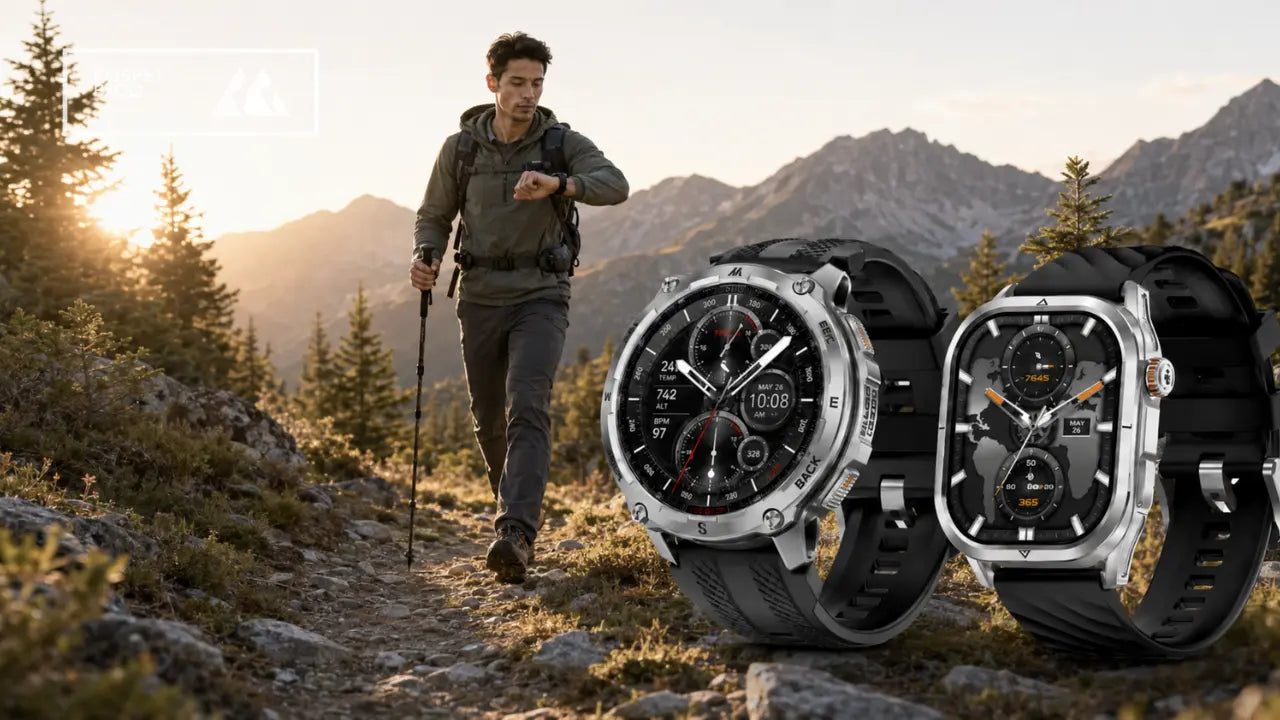
Doğa yürüyüşü ve dağcılık için, bağımsız GPS kaydı, yükseklik verileri, pusula ve dönüş yönlendirmesi gibi kullanışlı özellikler mevcuttur. KOSPET
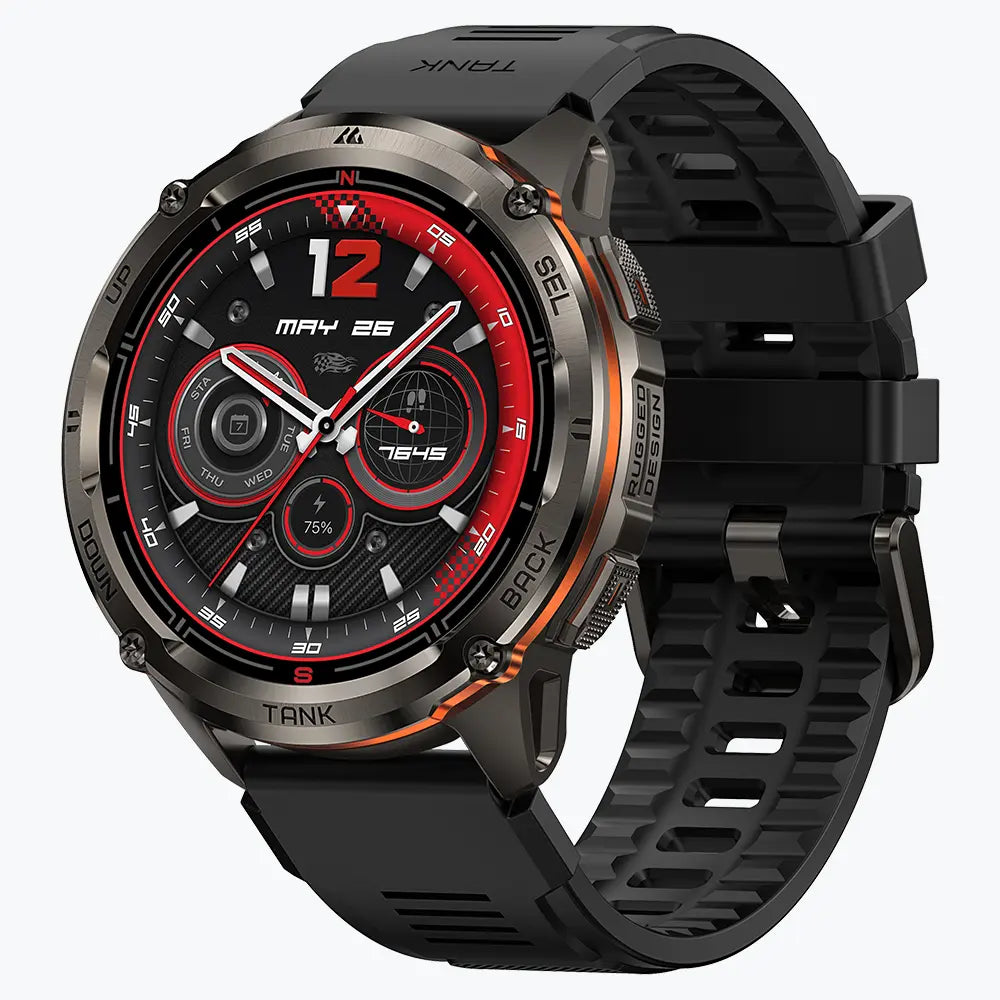
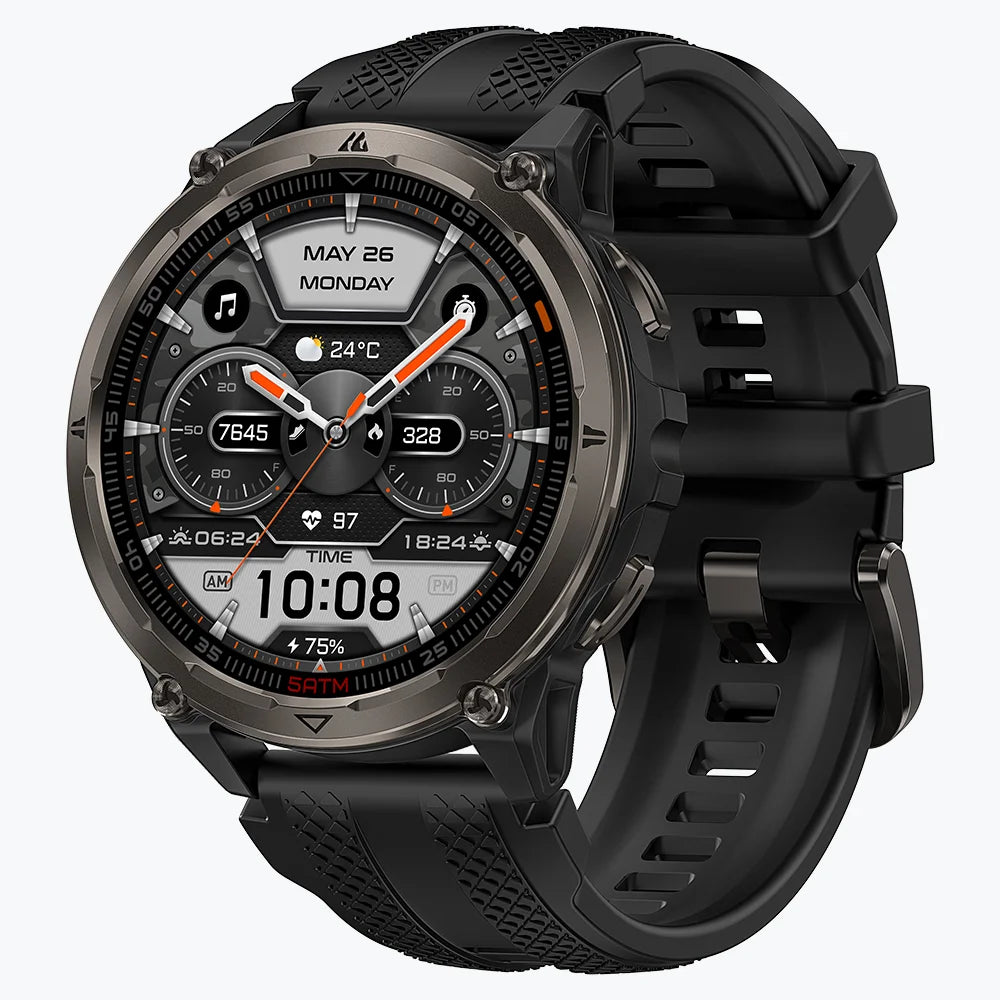
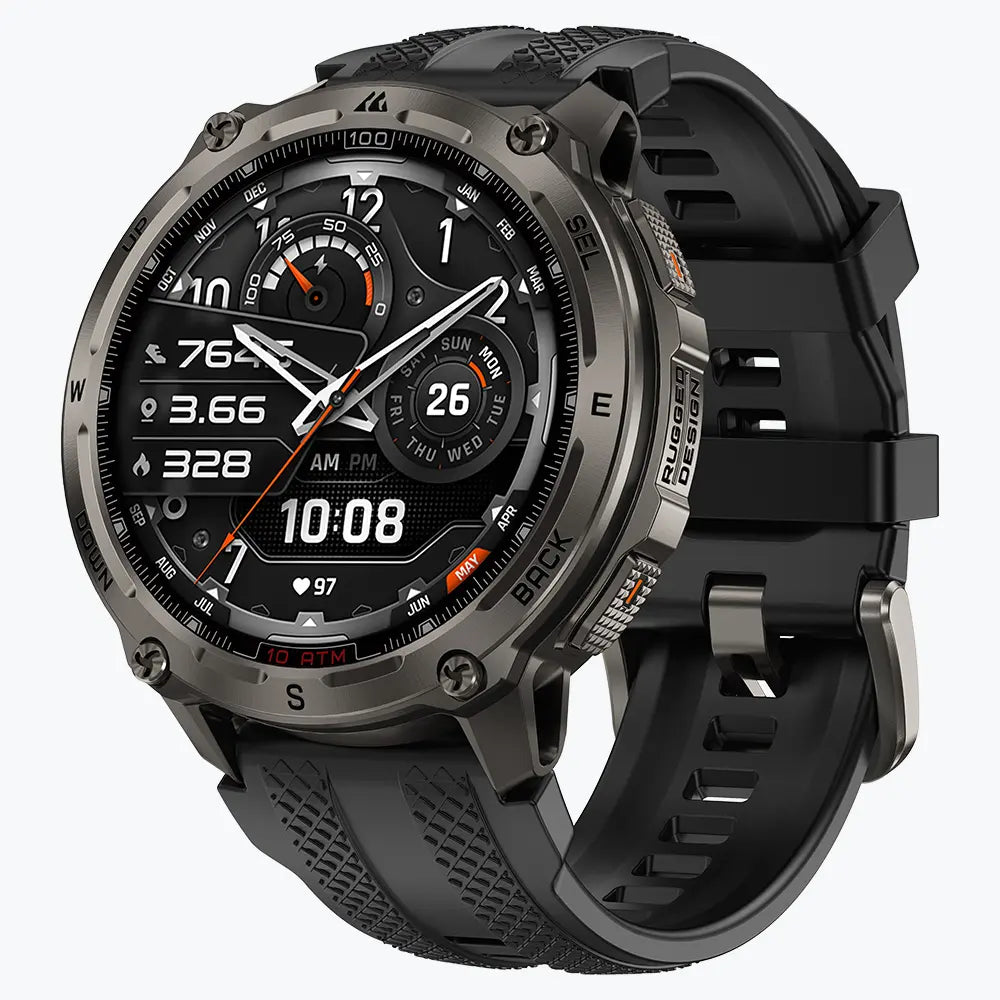
KOSPET TANK T3 ULTRA 2 Akıllı Saat
$134.99 USD
Sırt çantalı geziniz için gereken GPS pil ömrünü hesaplayın.
Günlük kullanımda akıllı saatin pil ömrü yerine sürekli GPS çalışma süresini kullanın. Günlük kullanım rakamları, uydu takibinin kapalı olduğu uzun süreleri de içerir.
Gerekli GPS kullanım süresi = günlük takip süresi × şarjlar arası gün sayısı × 1,25
Üç gün boyunca günde altı saatlik takip, 22,5 saatlik bir hedef oluşturur. Yüzde 25'lik rezerv, ayarları, ekran kullanımını, sıcaklığı ve laboratuvar sonuçlarından kaynaklanan doğal varyasyonu kapsar.
Suunto'nun pil modu kılavuzuna göre, haritalar ekstra güç tüketiyor. Ayrıca soğuk hava da lityum iyon pillerin geçici performansını düşürüyor, bu durum daha önce açıklandığı gibi. Apple'ın pil dokümantasyonu. Kış seyahatleri veya sık harita incelemeleri için daha fazla zaman ayırın.
Power bank, saate enerji ekler ancak saatin doğal çalışma süresini değiştirmez. Doğru şarj kablosunu yanınıza alın.
Sırt çantalı seyahat için doğru navigasyon seviyesini seçin.
Navigasyon özellikleri üç farklı sorunu çözüyor:
- Parça kaydı Mesafeyi ve kat edilen yolu kaydeder. Bir sonraki dönüşü göstermez.
- Rota kılavuzu İçe aktarılan bir rotayı, ara noktaları veya dönüş izini görüntüler. Hazırlanmış bir rota boyunca karar vermeyi destekler.
- Çevrimdışı haritalar Parkurun çevresine yakın patikalar ve coğrafi bağlam ekleyin. Otomatik rota değişikliği ayrı bir özellik olarak kalacaktır.
Dahili GPS otomatik olarak harita içermez. GPS, belirtildiği gibi, dünya çapındaki uydulardan konum verileri sağlar. U.S. hükümetin GPS genel bakışı; Harita dosyaları ve rota araçları saat platformundan geliyor.
Patika koşucuları kavşaklara hızlıca ulaşır ve durmadan parkuru gözlemleyerek daha fazla fayda sağlarlar. KOSPET
Haritayı indirin, rotayı içe aktarın ve yola çıkmadan önce açın. Daha geniş alan planlaması için bir telefon veya kağıt harita bulundurun.
Erkekler için Outdoor Saatin Uygunluğu ve Arazi Kullanım Performansı Testi
"Erkekler için" ifadesi otomatik olarak daha büyük bir kasa anlamına gelmez. Bilek genişliği, kordon bağlantı noktaları arası uzunluk, kalınlık, ağırlık ve kayış ayarı konforu belirleyen faktörlerdir.
Sırt çantanız doluyken ve seyahat için planladığınız kıyafetleri giyerken saati takın. Kayışın kulakçıkları bileğin içinde kalmalı, çerçevesi ise ceket manşetlerine ve omuz askılarına değmemelidir.
Dış mekanda kullanılan işlemleri test edin: GPS'i başlatın, navigasyonu açın, eldivenle kumandaları kullanın ve doğrudan güneş ışığında ekranı okuyun. Kayışın aşırı sıkılmadan güvenli bir şekilde yerinde kalması gerekir.
Sırt Çantasıyla Seyahat İçin Saat Özellikleri: Paraya Değer
Öncelikle yeterli GPS çalışma süresi, gerekli navigasyon türü, güneş ışığında okunabilirlik, güvenilir kontroller, istikrarlı rota senkronizasyonu ve konforlu yapı gibi özelliklere yatırım yapın. Bu özellikler her parkur gününü etkiler.
Yoğun ormanlar, dar kanyonlar veya dik kaya yamaçları için çift frekanslı GNSS'ye yatırım yapın. Çevrimdışı haritalar, bilmediğiniz rotalarda maliyetini karşılar. Güneş enerjisi açıkta kalan patikalarda yardımcı olurken, bir altimetre, barometre ve pusula dağ yolculuğunu destekler.
Su geçirmezlik özelliğini yapacağınız aktiviteye göre ayarlayın. Garmin'in su geçirmezlik derecesi tanımları derecelendirmeleri birbirine bağlamak gibi 5 ATM ve 10 ATM Su kullanımına özgü çeşitli şartlar söz konusudur. Yağmurdan korunma, yüzme ve dalış farklı gereksinimler gerektirir.
Müzik, ödemeler, kapsamlı bildirimler ve ilgisiz spor modları, ancak sırt çantalı seyahatin ötesinde düzenli kullanımda önem kazanır.
GPS saatini satın almadan önce iddialarını doğrulayın.
Pazarlama terimleri, buna uygun teknik detaylar içermelidir.
| Ürün iddiası | Onaylanacak detay |
|---|---|
| Uzun pil ömrü | Seçilen uydu ve harita modunda kesintisiz GPS çalışma saatleri |
| Çevrimdışı haritalar | Tam harita veya rota çizgisi, desteklenen bölgeler, depolama ve indirme süreci |
| Rota navigasyonu | GPX veya KML içe aktarma, rota dışı uyarıları, dönüş yönlendirmeleri ve yeniden rota belirleme |
| Telefon olmadan da çalışır. | Kurulumdan sonra kullanılabilen işlevler ve hala uygulama gerektiren görevler |
| Güneş enerjisiyle şarj | Gerekli ışık yoğunluğu ve günlük maruz kalma süresi |
| s.o.s. | Telefon, şebeke, uydu, hesap ve abonelik bağımlılıkları |
| Askeri sınıf | Standart tekrar ve bireysel testler tamamlandı. |
| Su geçirmez | ATM veya IP derecelendirmesi ve onaylı su aktiviteleri |
MIL-STD-810, evrensel bir dayanıklılık sertifikası değil, çevresel test yöntemlerinin bir koleksiyonudur. resmi U.S. Savunma Bakanlığı kaydı Standardı, çevre mühendisliği kılavuzu ve laboratuvar testleri olarak tanımlar. İddianın arkasındaki belirtilen yöntemlere dikkat edin.
Dönüş süresi boyunca bir test yürüyüşü yapın. Bir rota yükleyin, telefonu bağlantıdan ayırın, rotayı kaydedin, dönüş işlevini kullanın ve pil kaybını not edin.
Sıkça Sorulan Sorular
Seyahat için tasarlanmış bir kol saati hem iPhone hem de Android cihazlarla çalışır mı?
Birçok model her iki sistemi de destekler, ancak bireysel işlevler farklılık gösterir. Yardımcı uygulamayı, minimum işletim sistemi sürümünü, rota aktarımını, bildirimleri, mesaj yanıtlarını ve sağlık platformu bağlantılarını kontrol edin.
Çevrimdışı haritalar veya rota özellikleri abonelik gerektiriyor mu?
Ücretler markaya, harita sağlayıcısına ve bölgeye göre değişir. Harita indirme, rota planlama, dosya içe aktarma ve premium hizmetleri ayrı ayrı inceleyin. Ücretsiz rota içe aktarma her zaman ücretsiz premium haritaları içermez.
Sırt çantasıyla seyahat ederken kullanılan bir kol saati, değiştirilmeden önce ne kadar süre dayanır?
Sadece takvimdeki yaş tek başına yetersiz bir cevaptır. GPS'in test edilmiş çalışma süresi artık yolculuğu kapsamadığında, fiziksel hasar güvenilirliği etkilediğinde, rota senkronizasyonu tekrar tekrar başarısız olduğunda veya yazılım desteği sona erdiğinde değiştirme işlemi önem kazanır.
Doğa yürüyüşü sonrası dış mekan kullanımı için kullanılan bir saati doğru şekilde nasıl temizlemeliyim?
Şarj etmeden önce, su geçirmez onaylı bir saati temiz suyla durulayın, kasayı ve kayışı kurulayın. Sensörü, düğmeleri, kayış bağlantılarını, hoparlör açıklıklarını ve şarj kontaklarını kontrol edin. Kasa ve kayış malzemesine özel üretici talimatlarını izleyin.
Bu şartlar yerine getirildikten sonra, fiyat, tasarım ve günlük kullanım işlevleri nihai satın alma kararını belirleyebilir.