
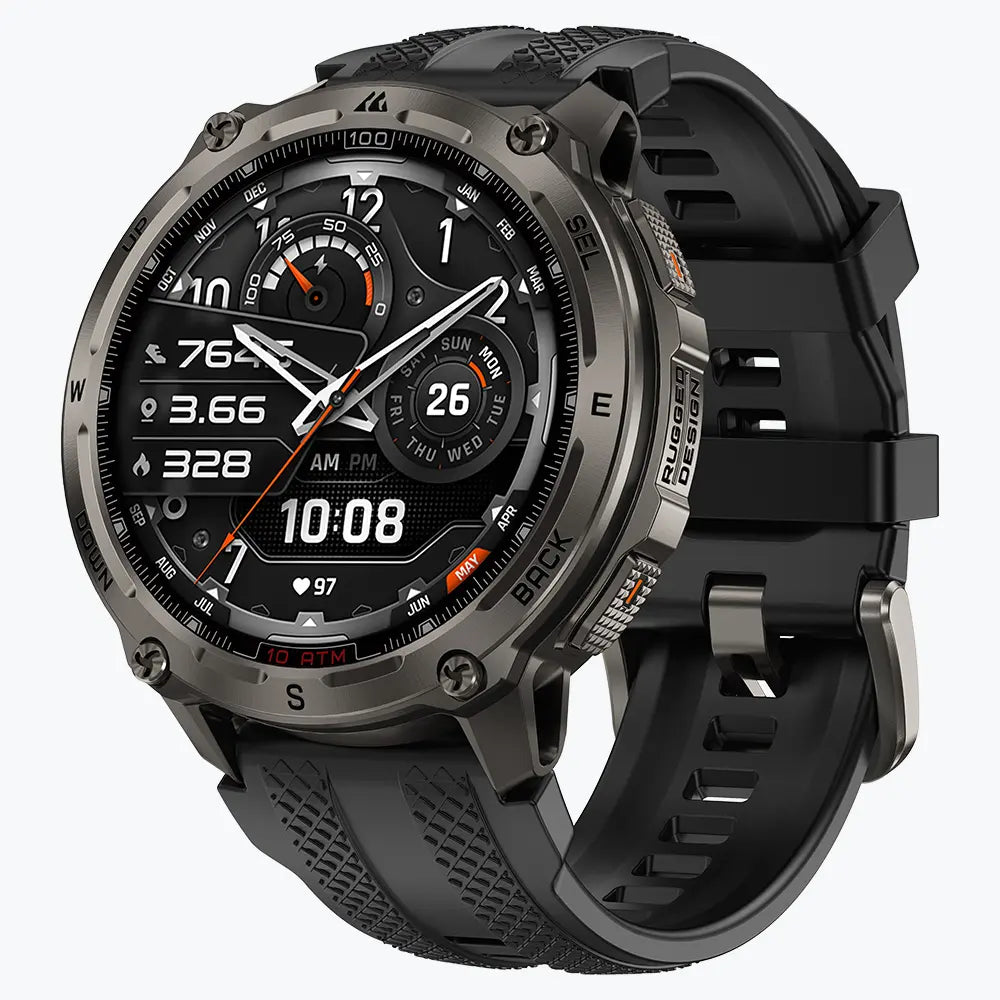
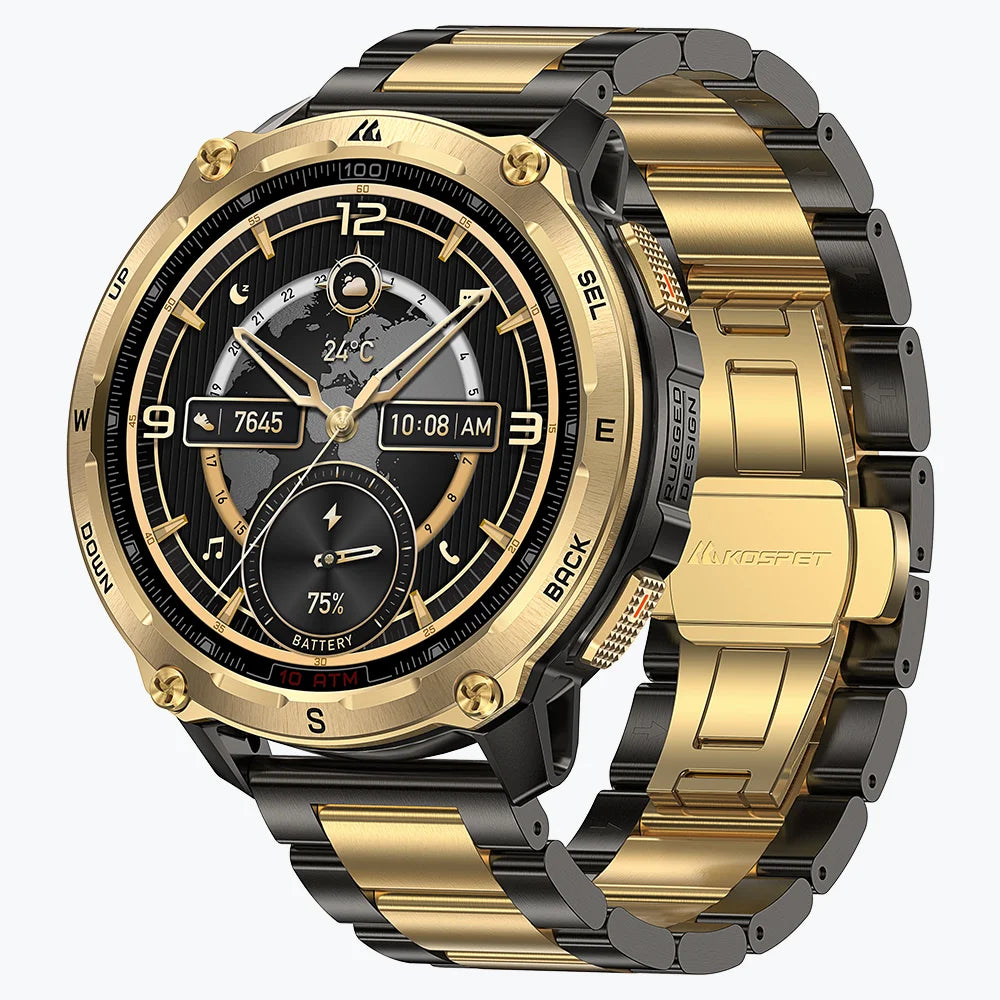
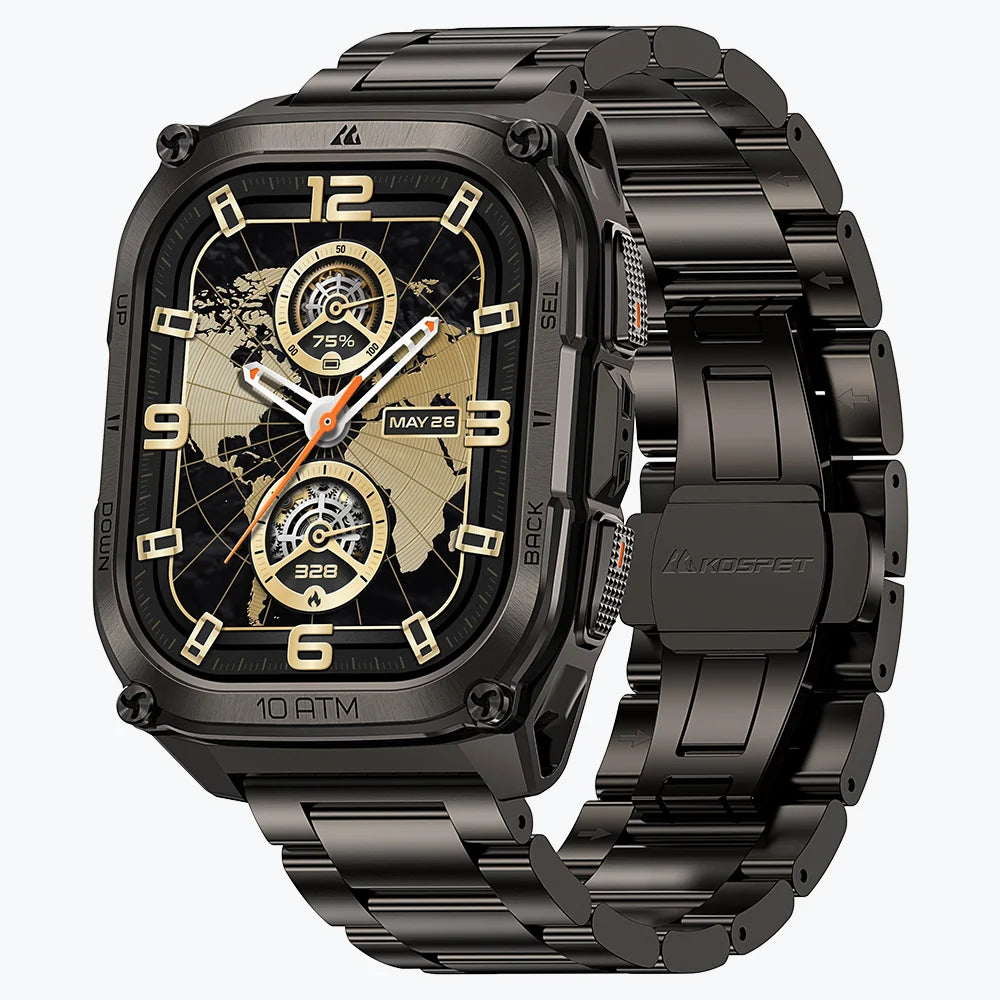
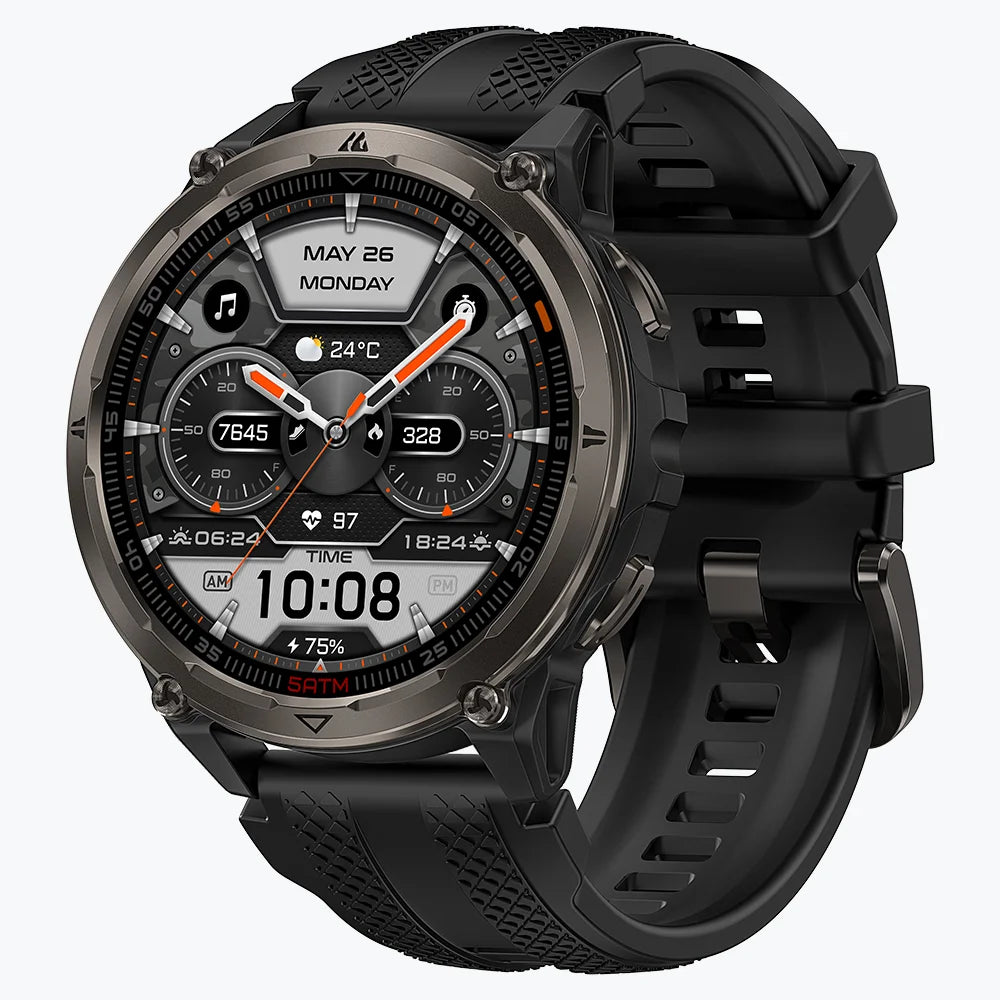

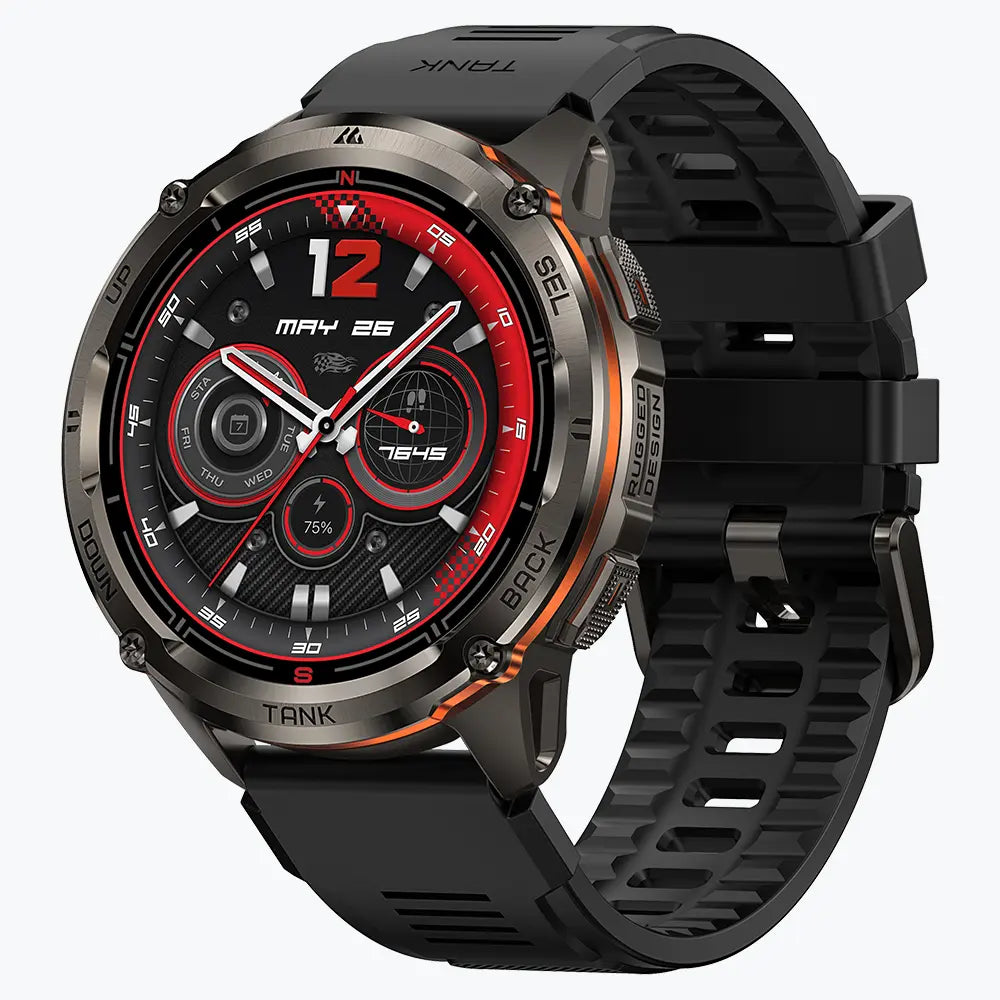
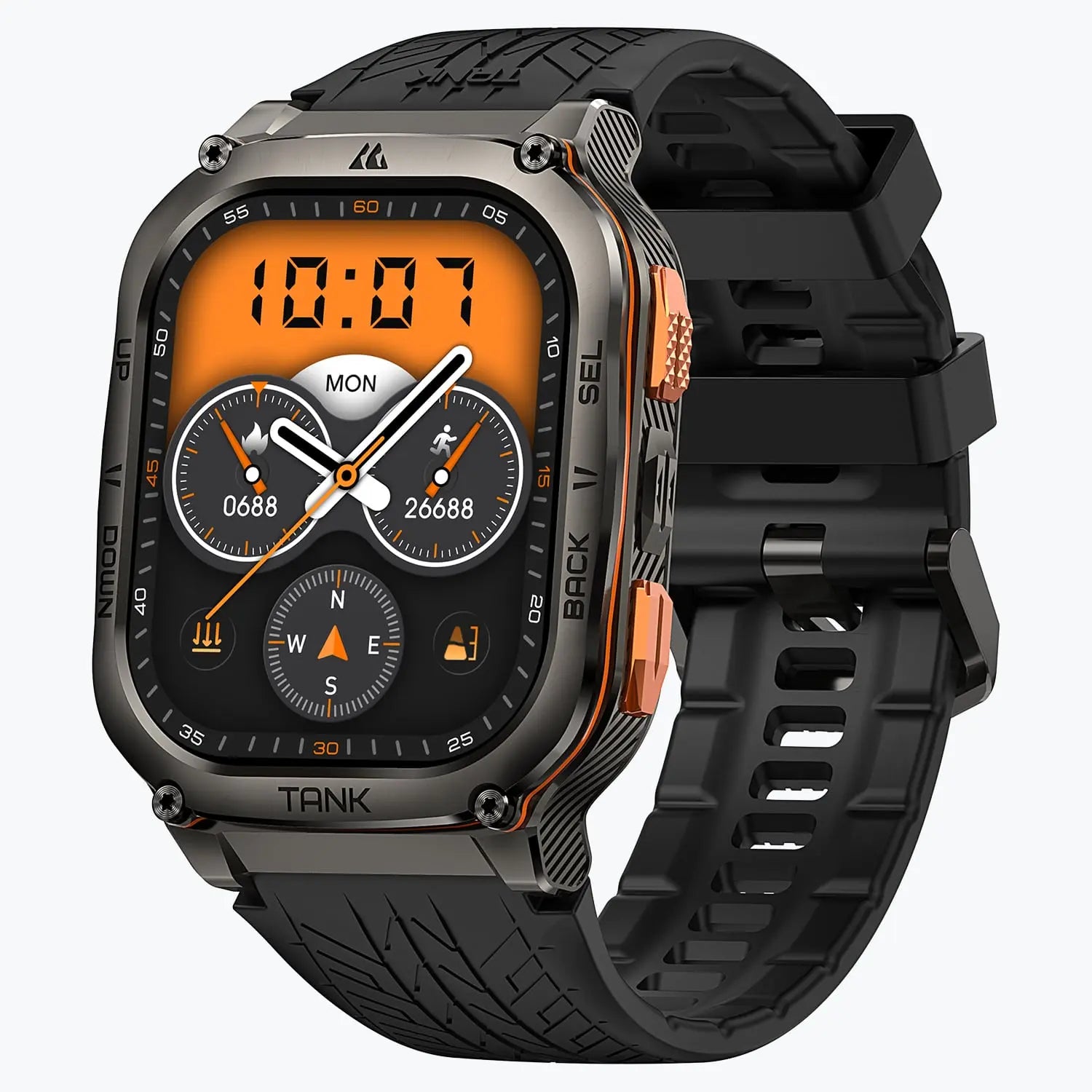


Hầu hết các nhà sản xuất khuyên bạn nên tháo chúng ra. đồng hồ thông minh chống nước Trước khi tắm, hãy rửa sạch vòi hoa sen để tránh gây tổn thương vĩnh viễn do nhiệt và hóa chất. Lời khuyên chính thức này đến từ các nhà lãnh đạo công nghệ toàn cầu như... Quả táo Và SAMSUNG những người này cho rằng xà phòng và nước nóng làm suy giảm lớp niêm phong bảo vệ theo thời gian.
Mặc dù các thiết bị hiện đại rất bền, nhưng môi trường đặc thù của phòng tắm lại tiềm ẩn những rủi ro mà các bài kiểm tra tiêu chuẩn không thể bao quát. Việc tháo thiết bị ra đảm bảo các linh kiện điện tử bên trong vẫn an toàn và phần cứng có thể sử dụng được trong nhiều năm.
Giải mã chỉ số ATM và IP cho đồng hồ thông minh chống nước của bạn
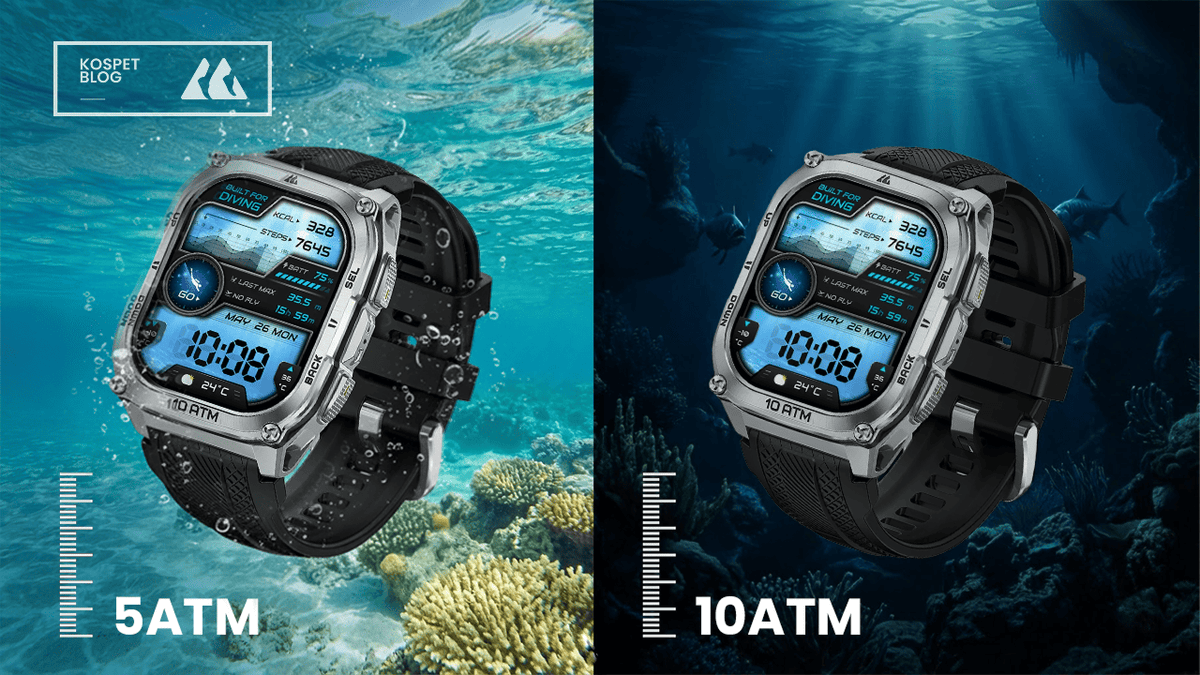
Xếp hạng khả năng chống nước Mô tả lượng áp suất tĩnh mà một thiết bị có thể chịu được trong môi trường phòng thí nghiệm được kiểm soát. Các thử nghiệm này sử dụng nước ở nhiệt độ phòng để xác định độ sâu mà đồng hồ có thể đạt được trước khi bị rò rỉ.
Vòi sen tạo ra áp suất động mạnh hơn nhiều so với việc ngồi dưới đáy bể bơi. Tia nước tập trung có thể tác động vào các nút bấm hoặc mép màn hình với lực đủ mạnh để đẩy chất lỏng xuyên qua các gioăng bên trong.
| ATM (Áp suất khí quyển) | IP (Mức độ bảo vệ chống xâm nhập) | Mức độ an toàn khi tắm vòi sen |
|---|---|---|
| 3 ATM: Chịu được áp suất 30 mét | IP67: Được bảo vệ trong 30 phút | Nguy hiểm |
| 5 ATM: Chịu được áp suất 50 mét | IP68: Chống nước ở độ sâu 1,5 mét. | Mức độ an toàn thấp |
| 10 ATM: Chịu được áp suất 100 mét. | IP69K: Được bảo vệ chống áp suất cao | Mức độ an toàn trung bình |
Khoa học phân tử về sự hư hại do hơi nước và hóa chất
Hơi nước nóng và chất hoạt động bề mặt trong xà phòng là nguyên nhân gây ra hư hại đáng kể nhất cho cấu trúc của đồng hồ thông minh chống nước của bạn. Nhiệt độ cao khiến vỏ kim loại và màn hình kính giãn nở với tốc độ khác nhau vì mỗi vật liệu phản ứng với nhiệt độ theo cách khác nhau.
Sự giãn nở vật lý này tạo áp lực lên các vòng cao su bên trong và tạo ra các khe hở siêu nhỏ trong lớp niêm phong. Hơi nước bao gồm các phân tử khí riêng lẻ chuyển động nhanh hơn nhiều và chiếm ít không gian hơn so với các giọt nước lỏng. Những hạt khí nhỏ này đi vào đồng hồ qua các khe hở nhỏ và chuyển trở lại thành dạng lỏng khi thiết bị nguội đi.
Xà phòng và dầu gội đầu chứa chất hoạt động bề mặt giúp giảm sức căng bề mặt của nước. Trong điều kiện bình thường, các phân tử nước kết dính lại với nhau và tạo thành các giọt nhỏ không thể lọt qua các khe hở nhỏ.
Xà phòng phá vỡ lớp màng chắn này và cho phép nước ẩm dễ dàng lọt vào cổng sạc hoặc lỗ micro. Quá trình hóa học này từ từ ăn mòn lớp keo và silicon giúp đồng hồ của bạn kín khí.
Độ ẩm bị giữ lại ảnh hưởng như thế nào đến sức khỏe làn da và độ chính xác của cảm biến
Việc đeo thiết bị khi tắm có thể gây kích ứng da và khiến các cảm biến sức khỏe cung cấp dữ liệu không chính xác. Nước và cặn xà phòng sẽ bị kẹt giữa dây đeo và cổ tay, dẫn đến tình trạng viêm da tiếp xúc.
Phản ứng da này gây ra hiện tượng đỏ rát, sưng tấy và phát ban ngứa ngáy. Sự tích tụ cặn xà phòng cũng tạo thành một lớp màng vật lý che phủ cảm biến nhịp tim quang học và cảm biến nồng độ oxy trong máu.
Lớp mây này cản trở các tín hiệu ánh sáng và dẫn đến dữ liệu sức khỏe không chính xác trong quá trình tập luyện và theo dõi giấc ngủ. Tháo đồng hồ ra giúp da được thở và ngăn ngừa sự phát triển của vi khuẩn dưới dây đeo.

Ứng suất nhiệt và tác động của nó đến tuổi thọ pin
Nhiệt độ quá cao sẽ gây ra sự phân hủy hóa học vĩnh viễn bên trong pin lithium ion của đồng hồ thông minh chống nước của bạn.Nhiệt độ cao làm tăng điện trở trong của pin và làm chậm quá trình di chuyển của các ion giữa các điện cực.
Quá trình này, được gọi là sự suy giảm nhiệt, buộc pin phải hoạt động mạnh hơn để cung cấp năng lượng và làm giảm tổng lượng năng lượng mà nó có thể lưu trữ. Việc thường xuyên tiếp xúc với nước nóng dẫn đến sự phân hủy chất điện giải, đây là một thay đổi vật lý khiến pin nhanh hết điện hơn và rút ngắn tuổi thọ tổng thể của nó.
Mẹo bảo vệ pin:
- Hãy cất giữ đồng hồ ở nơi thoáng mát thay vì trên mặt bàn trong phòng tắm đầy hơi nước.
- Hãy đợi thiết bị đạt đến nhiệt độ phòng trước khi kết nối với bộ sạc.
- Tránh để đồng hồ tiếp xúc với môi trường có nhiệt độ cao như phòng xông hơi hoặc bồn tắm nước nóng.
Cách chăm sóc đồng hồ thông minh đúng cách sau khi tắm
Vệ sinh thường xuyên bằng các chất tẩy rửa chuyên dụng là cách duy nhất để giữ cho các cảm biến và chân sạc hoạt động chính xác. Nếu đồng hồ của bạn tiếp xúc với xà phòng hoặc nước muối, bạn phải tuân theo phương pháp làm sạch cụ thể để ngăn ngừa ăn mòn. Việc không làm khô các bộ phận kim loại sẽ dẫn đến gỉ sét trên các đầu nối sạc.
Phương pháp vệ sinh và bảo dưỡng:
- Rửa sạch: Dùng một lượng nhỏ nước sạch, mát để rửa sạch các hóa chất hoặc muối còn sót lại.
- Khử trùng: Dùng khăn tẩm cồn isopropyl 70% lau sạch dây đeo và mặt sau của vỏ đồng hồ để diệt khuẩn.
- Khô: Sử dụng khăn mềm không xơ, không gây trầy xước để lau màn hình và khu vực cảm biến cho đến khi chúng khô hoàn toàn.
- Thông gió: Hãy để cổng sạc tiếp xúc với không khí ít nhất mười phút trước khi kết nối bất kỳ dây cáp nào.
Phần kết luận
Xóa của bạn đồng hồ thông minh chống nước Trước khi bước vào bồn tắm nước nóng hoặc vòi sen, việc vệ sinh các gioăng bên trong là lựa chọn thông minh nhất cho mọi người. Bảo vệ các gioăng này khỏi hơi nước và hóa chất sẽ kéo dài tuổi thọ của thiết bị một cách đáng kể. Thay đổi nhỏ này trong thói quen hàng ngày đảm bảo khoản đầu tư của bạn tiếp tục theo dõi sức khỏe và thể chất của bạn một cách chính xác trong thời gian dài.
Câu hỏi thường gặp
Nước lạnh có an toàn cho đồng hồ của tôi không?
Nước lạnh an toàn hơn vì nó không tạo ra hơi nước hoặc làm cho các gioăng giãn nở. Tuy nhiên, bạn vẫn phải cẩn thận về áp lực của dòng nước và sự hiện diện của xà phòng.
Nếu tôi quên tháo nó ra thì sao?
Rửa sạch đồng hồ bằng nước mát ngay sau khi tắm xong. Lau khô mọi bộ phận của thiết bị bằng khăn mềm và chú ý kỹ đến loa và cổng sạc.
Xà phòng có thể làm hỏng màn hình đồng hồ không?
Nhiều màn hình đồng hồ có lớp phủ đặc biệt để ngăn ngừa dấu vân tay và tích tụ dầu mỡ. Các hóa chất mạnh trong một số loại xà phòng có thể làm bong lớp phủ này và khiến màn hình trông mờ hoặc bị trầy xước.