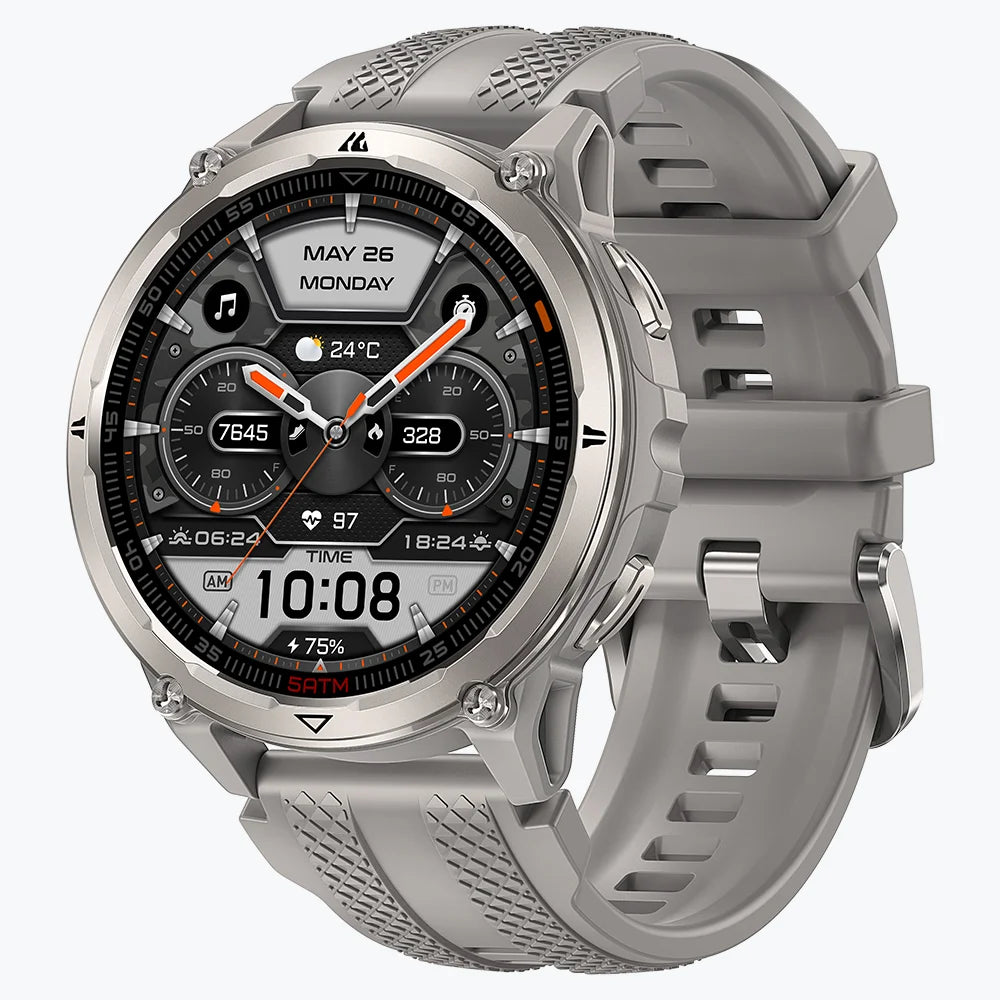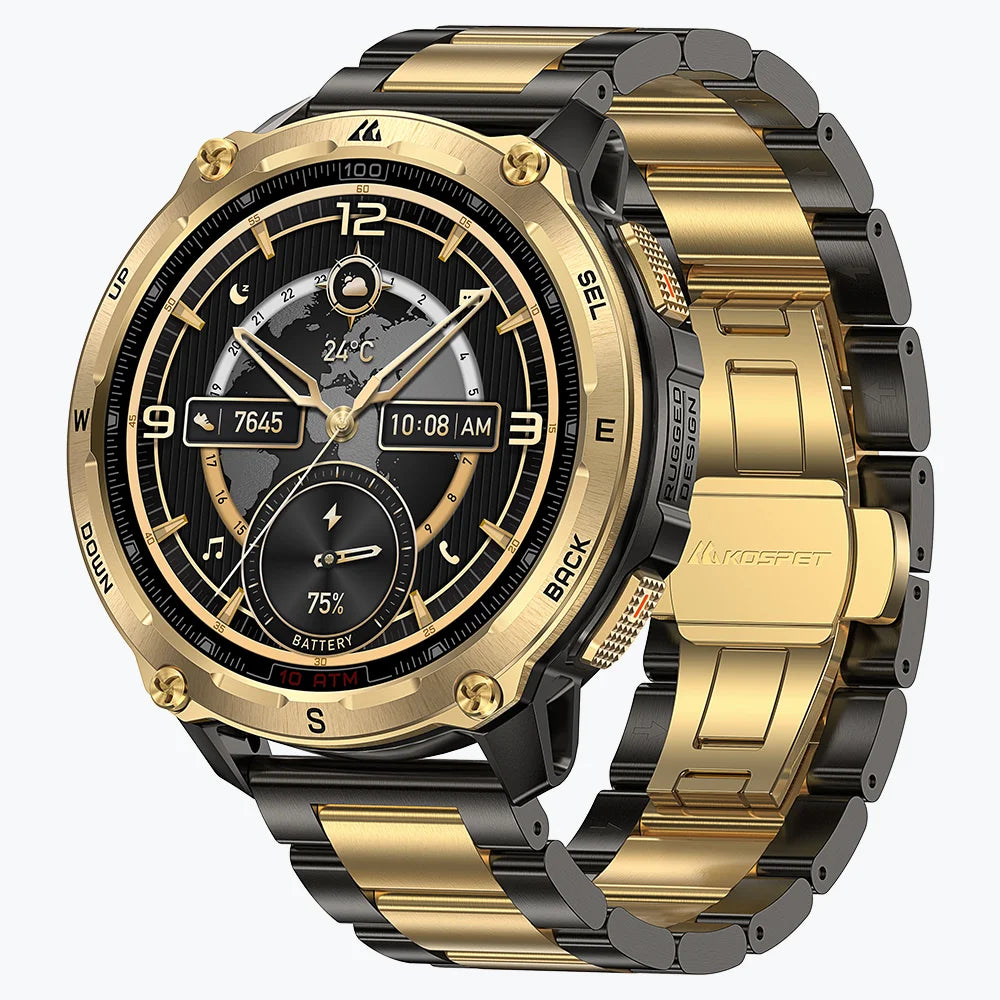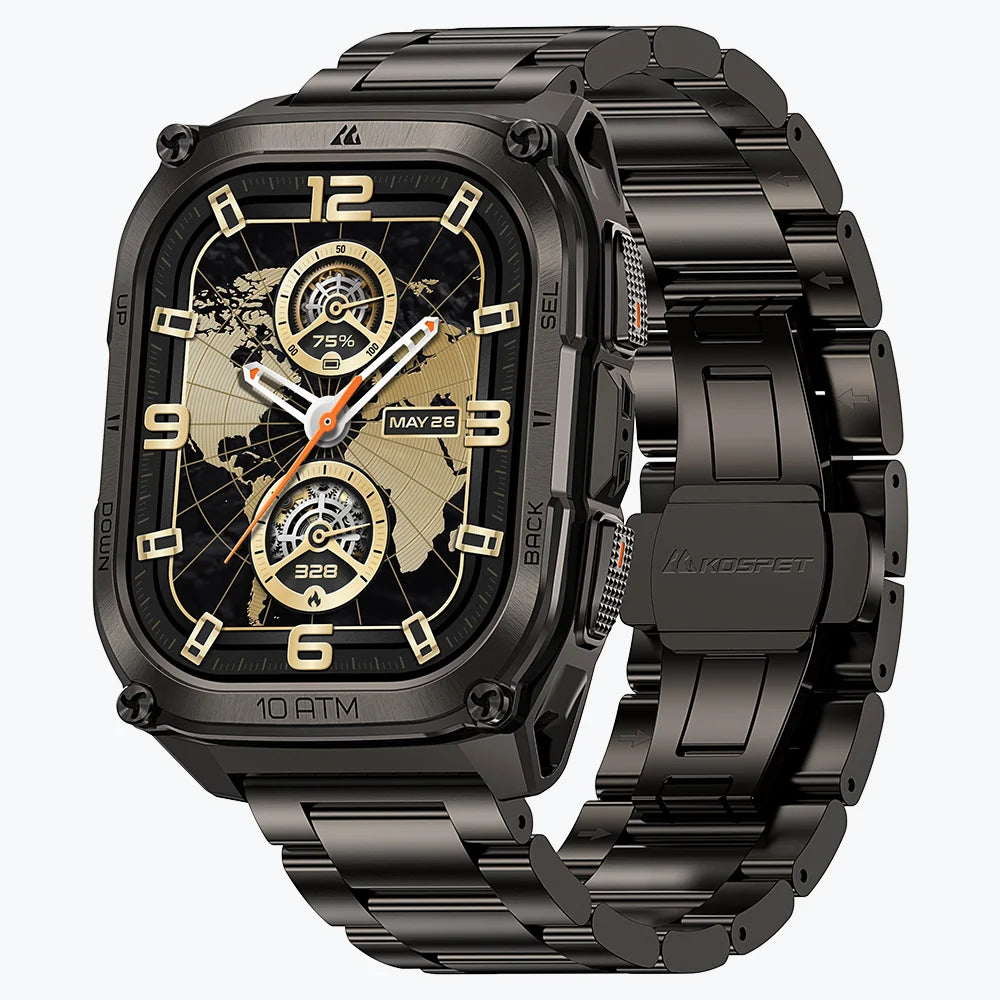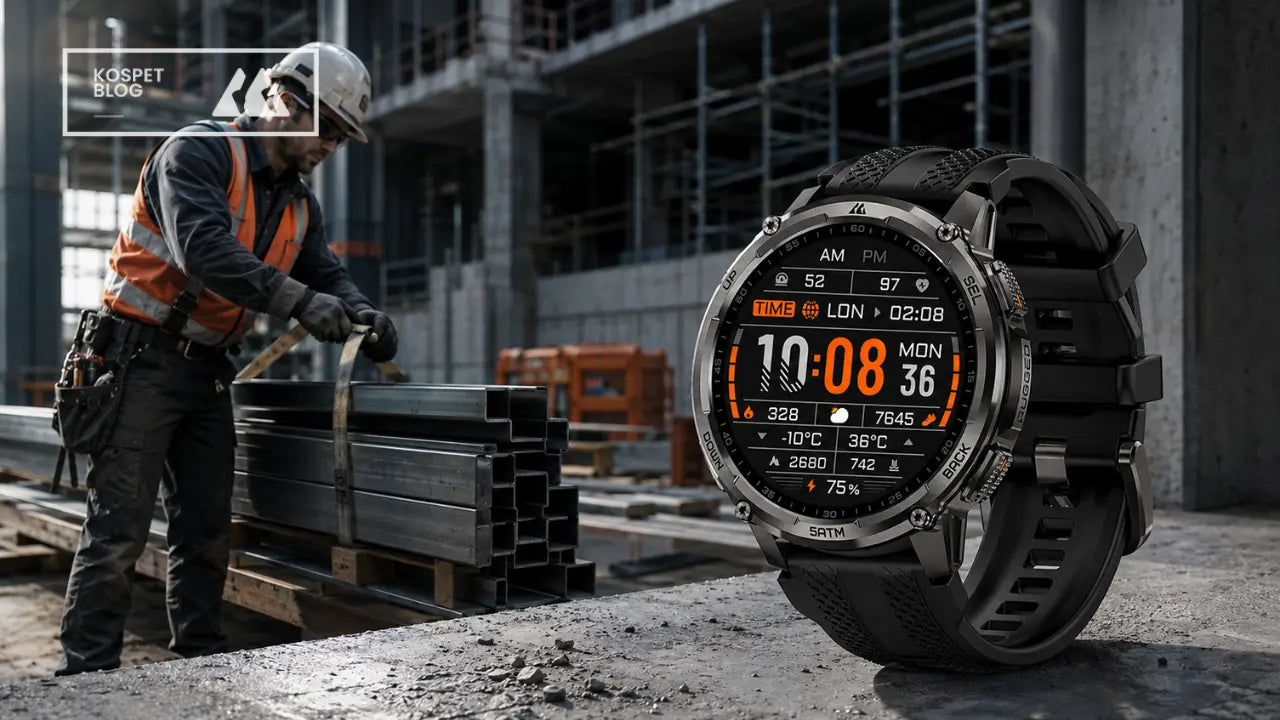



Các công nhân xây dựng đang tìm kiếm những chiếc đồng hồ thông minh có hiệu năng đáng tin cậy, bất kể họ làm việc trên cao hay trong điều kiện thời tiết khắc nghiệt.
Những yếu tố quan trọng cần xem xét khi chọn đồng hồ thông minh bao gồm khả năng hiển thị màn hình dưới ánh nắng mặt trời, độ bền chắc chắn, thời lượng pin lâu dài và chức năng SOS khẩn cấp. Trong bài viết này, chúng tôi sẽ giới thiệu một số đồng hồ thông minh tốt nhất dành cho công nhân xây dựng.
Những điều cần cân nhắc khi mua đồng hồ thông minh tốt nhất cho công nhân xây dựng
Khi lựa chọn sản phẩm phù hợp nhất, điều này rất quan trọng. đồng hồ thông minh cho công nhân xây dựng, Bạn nên xem xét nhu cầu cụ thể và môi trường làm việc của họ. Chúng ta cần xem xét những yếu tố chính ảnh hưởng đến hiệu quả công việc và khả năng xử lý tình huống khó khăn của họ. Có một số điểm quan trọng cần lưu ý.
Thông số kỹ thuật độ bền được nâng cao
Khi mua đồng hồ thông minh, độ bền là yếu tố quan trọng nhất cần xem xét. Điều này là bởi vì bạn có thể làm việc trong môi trường cực kỳ khắc nghiệt, nơi bạn cần di chuyển giữa các công trường xây dựng khác nhau.
Hơn nữa, họ có thể phải làm việc trên cao và dưới nước. Làm việc trong những môi trường này có thể gây hao mòn cho đồng hồ thông minh. Đây là lúc đồng hồ thông minh siêu bền phát huy tác dụng. Thông thường, đồng hồ thông minh siêu bền đáp ứng các tiêu chuẩn quân sự như 15 U.S. Chứng nhận MIL-STD-810H & Đã vượt qua 28 bài kiểm tra nội bộ đáng tin cậy.
Điều này có nghĩa là đồng hồ thông minh hoạt động ổn định ở nhiệt độ từ 40°C đến 70°C và có thể chịu được rơi, rung động hoặc va đập mạnh trong quá trình vận chuyển. Ngoài ra, một chiếc đồng hồ thông minh bền bỉ cũng cần có khả năng chống nước.
Ví dụ, 5 ATM & IP69K Khả năng chống nước đáp ứng cả yêu cầu chống nước hàng ngày và chống nước ở áp suất cao, nhiệt độ cao theo tiêu chuẩn công nghiệp. Vì vậy, bạn có thể sử dụng đồng hồ thông minh của họ bất kể bạn đang ở trong những cơn mưa nhiệt đới, sóng dữ hay môi trường sa mạc đầy cát.
Hãy luôn giữ kết nối với những điều quan trọng nhất.
Bạn thường đeo găng tay khi làm việc, và lúc này, bạn cũng cần phải tháo chúng ra nếu có người nghe điện thoại. Việc này cũng khiến bạn phải đặt các dụng cụ đang cầm trên tay xuống, gây bất tiện khi làm việc.
Đặc biệt nếu bạn làm việc trên cao hoặc dưới nước, sẽ có nguy cơ làm rơi điện thoại. Lúc này, nếu bạn đeo đồng hồ thông minh, sẽ rất tiện lợi. Bạn có thể kiểm tra các thông báo và tin nhắn mới nhất bất cứ lúc nào chỉ bằng cách nâng cổ tay lên.
Thông thường, đồng hồ thông minh có thể kết nối Bluetooth, giúp bạn dễ dàng trò chuyện mà không cần cầm điện thoại. phone.It Ứng dụng này cho phép bạn luôn được thông báo về các cuộc gọi đến, tin nhắn hoặc báo thức mà không cần phải liên tục kiểm tra điện thoại.
Thời lượng pin lâu dài
Thời lượng pin là một tính năng quan trọng đối với đồng hồ thông minh chuyên dụng cho hoạt động ngoài trời. Bạn và những người làm việc chuyên nghiệp ngoài trời thường làm việc cả ngày. Một chiếc đồng hồ thông minh nhanh hết pin sẽ trở nên vô dụng đối với họ.
Nhiều đồng hồ thông minh có thể hoạt động trong nhiều ngày chỉ với một lần sạc, vì vậy người dùng có thể sử dụng thiết bị của mình trong 10-14 ngày mà không cần sạc liên tục. Một chiếc đồng hồ thông minh có thời lượng pin ít nhất từ 10 đến 14 ngày sẽ cho phép bạn sử dụng trong nhiều ngày mà không cần lo lắng về việc hết pin.
Theo dõi sức khỏe
Việc theo dõi sức khỏe cũng quan trọng không kém. Được trang bị máy theo dõi giấc ngủ và máy theo dõi nhịp tim, đảm bảo công nhân xây dựng có cái nhìn sâu sắc về tình trạng sức khỏe của mình. Bạn có thể đọc thêm về điều này. bài báo Hướng dẫn cách theo dõi và cải thiện giấc ngủ với đồng hồ thông minh KOSPET.
Ví dụ, theo dõi nhịp tim Chức năng này có thể cảnh báo công nhân xây dựng về tình trạng sức khỏe của họ và ngăn ngừa thương tích trong khi làm việc. SOS khẩn cấp cũng đóng một vai trò quan trọng.Bạn thậm chí còn phát tín hiệu báo động khi chúng bị thương.
Đồng hồ thông minh tốt nhất dành cho công nhân xây dựng
Đồng hồ bền bỉ tốt nhất tích hợp bộ đàm: KOSPET TANK T4c
Việc liên lạc tại công trường không nên phụ thuộc vào tín hiệu di động hoặc những chiếc điện thoại dễ hỏng. KOSPET
Ngoài khả năng liên lạc, thiết bị này còn là bậc thầy về định vị và độ bền. Được trang bị GPS tần số kép, nó theo dõi chuyển động của bạn một cách chính xác trên các khu công nghiệp rộng lớn. Kết hợp với pin dung lượng lớn được thiết kế cho những ca làm việc dài, T4c đảm bảo bạn luôn có thể liên lạc và luôn được định vị, bất kể công việc ở đâu xa xôi.
Lý do nên mua:
- Phạm vi liên lạc 40 mét: Kết nối tức thì với đồng đội trong phạm vi 40 mét mà không cần dữ liệu di động.
- Hệ thống GPS băng tần kép 6 vệ tinh: Xác định chính xác vị trí của bạn bằng 6 hệ thống vệ tinh để theo dõi vị trí phức tạp ngoài trời.
- Thời lượng pin sử dụng liên tục 15 ngày: Hoạt động liên tục 15 ngày hoặc ở chế độ chờ 50 ngày chỉ với một lần sạc.
- 10 ATM & Chuẩn chống nước IP69K: Chịu được ngâm trong nước ở độ sâu 30 mét và rửa bằng nước áp lực cao ở 80°C.

Đồng hồ đa năng tốt nhất với đèn pin 5 cấp độ: KOSPET TANK M4c
Đối với thợ máy, thợ điện và công nhân làm ca đêm, hệ thống chiếu sáng đáng tin cậy là vô cùng cần thiết. KOSPET
Đây không chỉ là một chiếc đèn pin; nó là một cỗ máy chiến đấu. Được chế tạo theo các tiêu chuẩn độ bền nghiêm ngặt, M4c hoàn toàn chống thấm nước và chống sốc. Ngay cả khi bạn đang làm việc trong một con hào lầy lội hoặc kiểm tra một khối động cơ bị ướt, M4c vẫn hoạt động hoàn hảo, kết hợp tính tiện dụng thiết yếu với độ bền chuẩn quân sự.
Lý do nên mua:
- Đèn pin chiến thuật 5 cấp độ: Có 5 chế độ độ sáng điều chỉnh để chiếu sáng khu vực làm việc tối.
- Đạt 15 chứng nhận MIL-STD-810H: Đã vượt qua 15 bài kiểm tra tiêu chuẩn quân sự về khả năng chịu được va đập, rơi rớt và nhiệt độ từ -40°C đến 70°C.
- Liên lạc cục bộ 40 mét: Bao gồm chức năng bộ đàm 40 mét tương tự để phối hợp bằng giọng nói nhanh chóng ở gần đó.
- Khả năng chống nước 100 mét: Đạt chuẩn 10 ATM đảm bảo đồng hồ có thể chịu được ngâm hoàn toàn trong nước khi kiểm tra ở độ sâu.

Đồng hồ thông minh bền bỉ tốt nhất dành cho công nhân xây dựng: KOSPET TANK Đồng hồ thông minh T3 ULTRA 2
Về các khuyến nghị cụ thể, KOSPET
Loại thiết bị này thường được trang bị kết cấu thân liền khối bằng thép không gỉ tiên tiến. Nó đã vượt qua 15 U.S. Chứng nhận MIL-STD-810H, 28 bài kiểm tra nội bộ đáng tin cậy và 5 ATM & IP69 và khả năng chống nước, đảm bảo thiết bị có thể chịu được những điều kiện khắc nghiệt của công việc ngoài trời, cho dù đó là nâng vật nặng, tiếp xúc với nhiệt độ khắc nghiệt hay rơi vỡ ngoài ý muốn.
Lý do nên mua:
- Có thể đọc được dưới ánh sáng mặt trời 1.43" Màn hình AMOLED
- Tự động theo dõi giấc ngủ, nhịp tim và mức độ căng thẳng của bạn.

Đồng hồ thông minh chống nước và chống sốc tốt nhất: KOSPET TANK Đồng hồ thông minh M4
Nếu công việc của bạn thường xuyên tiếp xúc với nước, bụi hoặc rung động, KOSPET là một lựa chọn phù hợp.
Mẫu sản phẩm này tập trung vào khả năng chống thấm nước và chống sốc vượt trội, lý tưởng cho các công trường xây dựng và hoạt động ngoài trời. labor.With Với xếp hạng 10 ATM + IP69K, M4 có thể ngâm hoàn toàn trong nước ở độ sâu 100 mét mà không bị mất chức năng.
Khung kim loại Inox 360 được gia cố và màn hình Corning Gorilla Glass 3 bảo vệ máy khỏi va đập, rơi rớt và rửa bằng áp lực cao.
Cấu trúc chắc chắn của nó được chứng nhận đạt tiêu chuẩn độ bền MIL-STD-810H, đảm bảo hiệu suất ổn định trong điều kiện nhiệt độ cao, độ ẩm cao và va đập.
Ngay cả trong điều kiện đường lầy lội hoặc trời mưa, M4 vẫn tiếp tục hoạt động hoàn hảo—không chút do dự, không hề gặp trục trặc.
Lý do nên mua:
- Khả năng chống nước 10 ATM + IP69K cho môi trường ẩm ướt và áp suất cao.
- Thiết kế nguyên khối chống sốc, chuyên dụng cho môi trường công nghiệp.
- Màn hình được bảo vệ bằng kính Corning Gorilla Glass 3 chống trầy xước và nứt vỡ.
- Độ bền đáng tin cậy đã được chứng minh qua các thử nghiệm MIL-STD-810H.
- Thích hợp cho các công trường xây dựng, ngoài trời và hàng hải.
Nếu công việc hàng ngày của bạn liên quan đến việc tiếp xúc với nước, máy móc hạng nặng hoặc mảnh vụn, thì...

Đồng hồ thông minh có thời lượng pin lâu nhất: KOSPET TANK Đồng hồ thông minh T4
Thời lượng pin rất quan trọng khi bạn làm việc ca dài ở những nơi xa trạm sạc. KOSPET
Điều đó có nghĩa là không cần sạc giữa ngày, không bị gián đoạn công việc và không mất dữ liệu trong khi làm việc. Ngay cả với thời lượng pin kéo dài, T4 vẫn giữ được đặc tính bền bỉ – với thân máy Inox 360 bằng thép không gỉ, khả năng chống nước 10 ATM + IP69K và hệ thống định vị vệ tinh GNSS tần số kép để theo dõi chính xác tại các khu vực quy mô lớn.
Lý do nên mua:
- Thời lượng pin vượt trội—lên đến 15 ngày cho mỗi lần sạc
- 22 giờ theo dõi GPS liên tục cho các dự án thực địa;
- Màn hình AMOLED tiết kiệm năng lượng, hiển thị rõ nét dưới ánh nắng mặt trời.
- Vỏ kim loại Inox 360 bền bỉ + khả năng chống nước IP69K
- Thời lượng pin được kéo dài với túi năng lượng Để giữ cho thiết bị của bạn luôn được sạc đầy trong suốt thời gian sử dụng ngoài trời hoặc trong ca làm việc dài.
Thích hợp cho những ca làm việc dài ngoài trời và các nhiệm vụ kéo dài nhiều ngày.
Nếu độ bền và độ tin cậy là ưu tiên hàng đầu của bạn, thì

Đồng hồ thông minh màn hình lớn nhất dành cho công nhân xây dựng: KOSPET TANK Đồng hồ thông minh M3 ULTRA
Nếu bạn muốn một chiếc đồng hồ thông minh màn hình lớn nhất để sử dụng hàng ngày một cách tiện lợi, thì chiếc đồng hồ thông minh này là dành cho bạn! Sở hữu màn hình AMOLED 1,96 inch và kết hợp với hiệu năng ấn tượng. Corning® Gorilla® Glass 3 , Điều này làm cho nó trở thành màn hình lớn lý tưởng cho công nhân xây dựng. Với độ phân giải 410 x 502, KOSPET
Ngay cả dưới ánh nắng mặt trời gay gắt, công nhân xây dựng vẫn có thể đọc được mọi thông tin trên đồng hồ thông minh, đảm bảo họ không bỏ sót bất kỳ thông tin quan trọng nào. information.Still, So với các thiết bị khác trong danh sách này, đây thực sự là thiết bị có kích thước màn hình lớn nhất dành cho công nhân xây dựng.
Lý do nên mua:
- Tích hợp với ứng dụng KOSPET
- Đi kèm với màn hình AMOLED 1,96 inch.