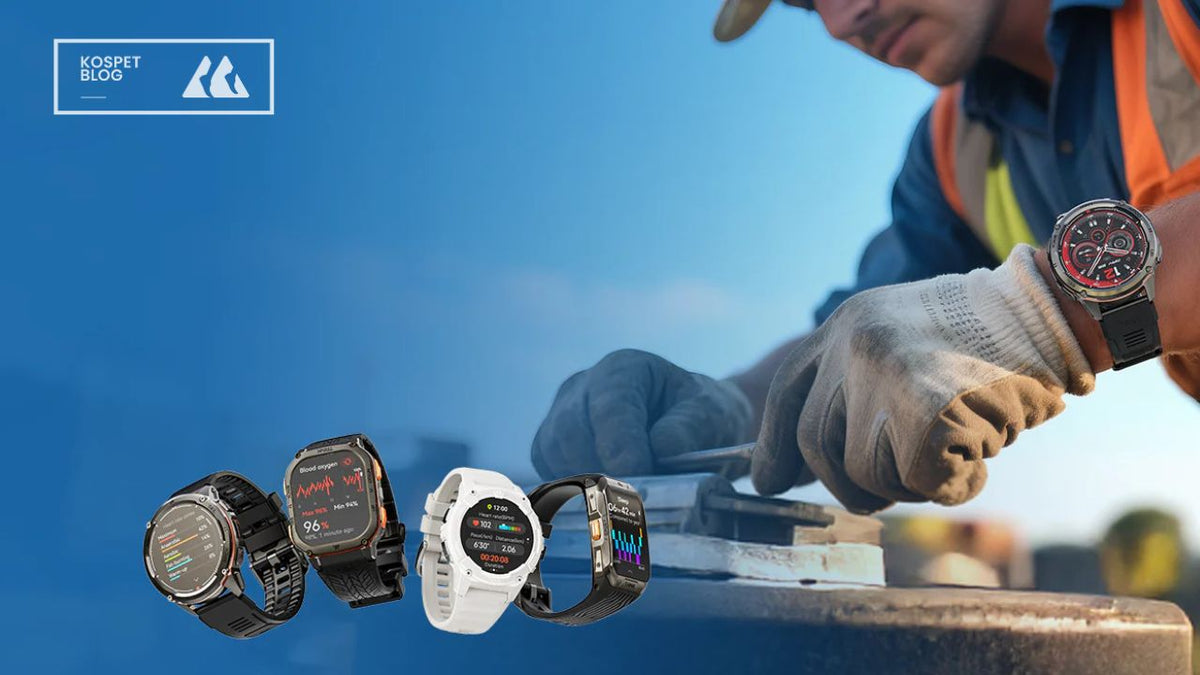



نظام تحديد المواقع العالمي ثنائي النطاق قيد التشغيل ساعة رياضية يُعد هذا الخيار الأمثل لعشاق الأنشطة الخارجية الذين يحتاجون إلى تتبع دقيق في بيئات صعبة كالمدن ذات الأبراج الشاهقة أو الغابات الكثيفة. فبينما تعتمد الساعات القديمة على إشارة واحدة، تضمن التقنية الحديثة دقة قياس السرعة والمسافة حتى عند حجب المباني أو الأشجار للسماء.
فك تشفير ترددات L1 و L5 لإصلاح انحراف الإشارة
تستخدم تقنية النطاق المزدوج إشارتين منفصلتين لتصحيح الأخطاء التي تحدث عند ارتداد بيانات الأقمار الصناعية عن الأسطح الصلبة. أما الساعات الرياضية التقليدية فتستخدم إشارة L1 فقط، والتي ترتد بسهولة عن المباني الزجاجية أو الجدران الصخرية.
تُسبب هذه الارتدادات مشكلة تُسمى تداخل المسارات المتعددة. هذا الخطأ يجعل الساعة تعتقد أنك تتحرك في مسار متعرج بدلاً من خط مستقيم.
بحسب دليل إشارات نظام تحديد المواقع العالمي (GPS) الحكومي الرسمي, تتيح إضافة إشارة L5 للساعة مقارنة نقطتي بيانات مختلفتين.
تساعد هذه المقارنة الجهاز على التعرف على الإشارة المباشرة وتجاهل الصدى. ومن خلال تصفية هذه الأصداء، توفر الساعة خريطة سلسة وواقعية لمسارك.
اختبار الدقة: الوديان الحضرية مقابل مظلات الغابات الكثيفة
تواجه الساعات ذات النطاق الواحد صعوبة في تحديد موقعك عندما تحجب ناطحات السحاب أو الأشجار الكثيفة رؤية السماء. في المدن الكبرى مثل نيويورك وشيكاغو، تُشكّل ناطحات السحاب الشاهقة ممرات ضيقة بين المباني تُعرف باسم "الأودية الحضرية". هذه الممرات الضيقة تُربك رقائق نظام تحديد المواقع العالمي (GPS) القياسية لأن الإشارات ترتد عن المعادن والزجاج.
غالباً ما يلاحظ العداؤون الذين يستخدمون أجهزة قديمة تذبذباً في وتيرة ركضهم دون أي تغيير في سرعتهم الفعلية. (تم إجراء الاختبار من قبل) تقارير دقة نظام تحديد المواقع العالمي (GPS) من DCRainmaker يوضح ذلك أن أنظمة النطاق المزدوج تبقى في حدود مترين من المسار الفعلي بينما يمكن لأجهزة النطاق الواحد أن تنحرف بمقدار ثلاثين متراً أو أكثر.
تحدث مشاكل مماثلة تحت ظلال الأشجار الكثيفة في مناطق مثل شمال غرب المحيط الهادئ. تمتص الأوراق والأغصان الكثيفة إشارة القمر الصناعي وتضعف الاتصال. تحل الساعات ثنائية النطاق هذه المشكلة من خلال الاتصال بمزيد من الأقمار الصناعية واستخدام تردد L5 للحفاظ على اتصال مستقر. هذا الاستقرار يعني أن أوقات دوراتك تظل ثابتة طوال التمرين.
موازنة دقة النطاق المزدوج مع عمر البطارية
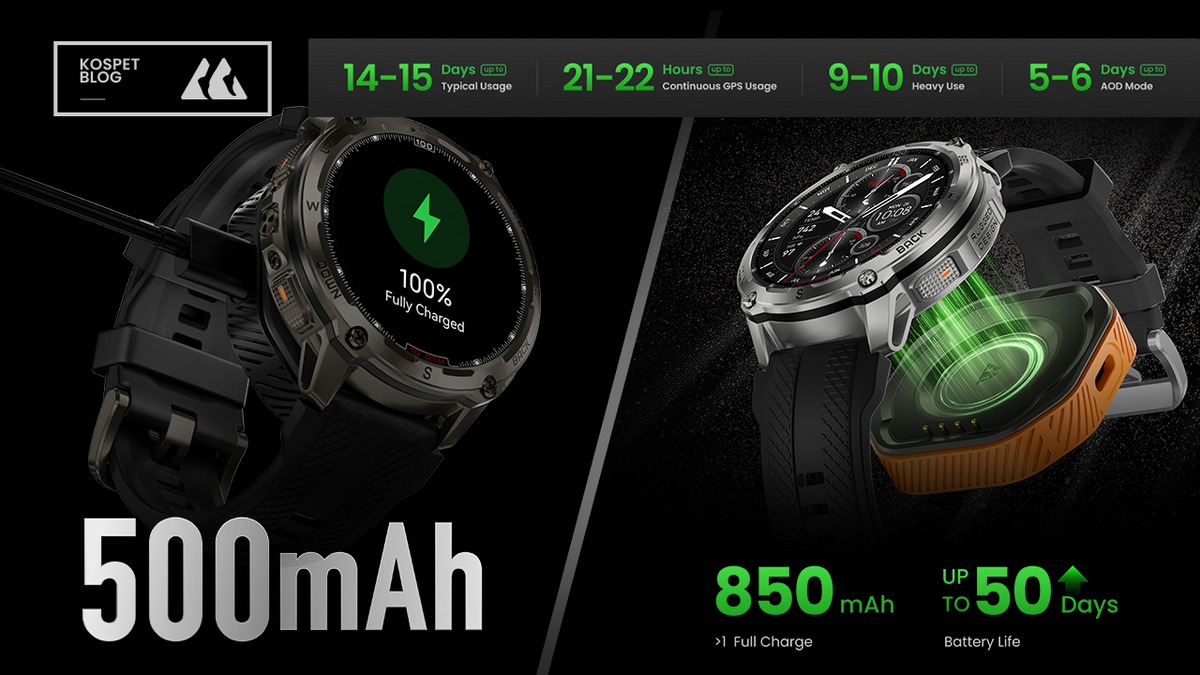
يتطلب تتبع نظام تحديد المواقع العالمي (GPS) عالي الدقة طاقة بطارية أكبر من الأوضاع القياسية. استخدام ترددي L1 وL5 معًا قد يستنزف البطارية أسرع بكثير من استخدام وضع GPS الأساسي.
يُشكّل هذا تحديًا لعدائي الماراثون الفائق الذين يحتاجون إلى أن تدوم ساعة اليد لساعات طويلة. وقد ابتكرت الشركات المصنّعة حلولًا ذكية لإدارة استهلاك الطاقة هذا. وثائق تقنية SatIQ من Garmin يشرح كيف يمكن للساعات الآن التبديل بين الأوضاع تلقائيًا.
- الأوضاع التلقائية: تتميز بعض الساعات الآن بوضع لا يقوم بتشغيل التردد الثاني إلا عندما تصبح الإشارة ضعيفة.
- البيئات المفتوحة: في الحقول المفتوحة حيث تكون السماء صافية، تبقى الساعة في وضع الطاقة المنخفضة لتوفير الطاقة.
- كشف الإشارة: عند دخولك نفقًا أو منطقة مشجرة، تقوم الساعة تلقائيًا بزيادة طاقتها للحفاظ على دقة التتبع.
رواد السوق: مقارنة أفضل الساعات الرياضية ثنائية السوار
تُقدّم العلامات التجارية الرائدة الآن تقنية النطاق المزدوج في أحدث ساعاتها الرياضية لتلبية احتياجات العدائين والمستكشفين المحترفين. وتُوفّر كل علامة تجارية ميزات برمجية مختلفة لمساعدتك في تحليل بياناتك.
- جارمن فوررنر 965: يتضمن هذا الطراز أدوات SatIQ لإدارة التبديل بين أوضاع النطاق الأحادي والثنائي تلقائيًا.
- ساعة أبل ألترا 2: صُممت هذه الساعة للرياضيين الذين يرغبون في تصميم متين واستخدام خوارزميات مخصصة متقدمة للبقاء على المسار الصحيح في وسط مدينة مانهاتن.
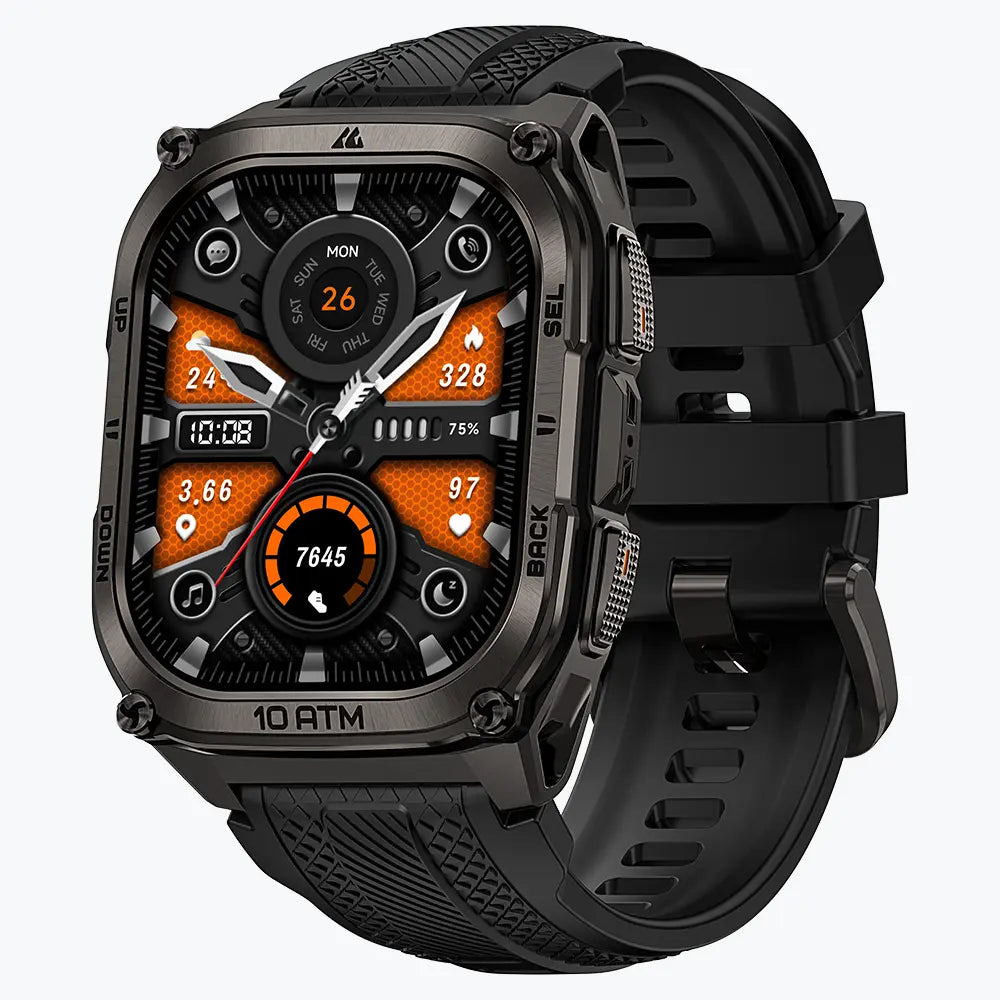
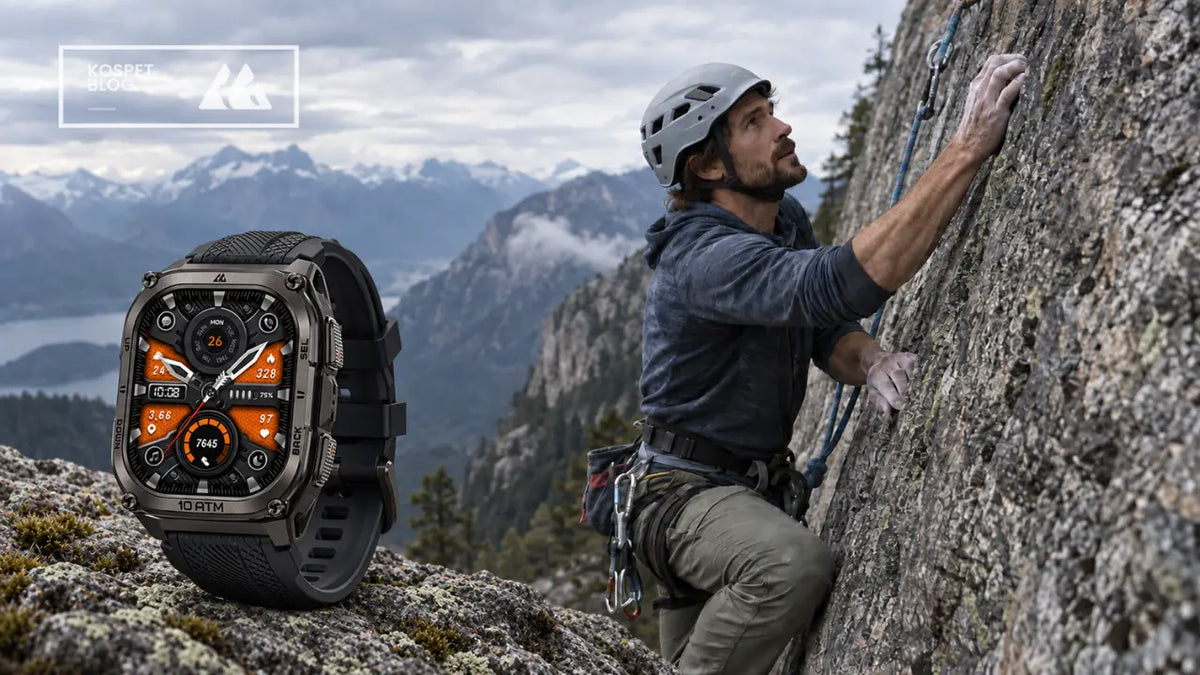
- دبابة كوسبيت تي 4: هذا خيار قوي ومتين للمغامرين في الهواء الطلق الذين يحتاجون إلى ساعة متينة ذات دقة مزدوجة في البيئات القاسية.

- كوروس بيس 3: يوفر هذا الجهاز إمكانيات النطاق المزدوج بسعر أقل بكثير من معظم المنافسين للعدائين ذوي الميزانية المحدودة.
دليل اتخاذ القرار: هل النطاق المزدوج مبالغ فيه بالنسبة لجريتك؟
يعتمد اختيار نظام تحديد المواقع العالمي (GPS) أحادي النطاق أو ثنائي النطاق بشكل أساسي على مكان إجراء معظم تدريباتك. فالأشخاص الذين يعيشون في مناطق سهلية قليلة الأشجار وخالية من المباني الشاهقة لن يستفيدوا كثيرًا من التردد الإضافي. في هذه البيئات المفتوحة، تُعدّ ساعة GPS القياسية دقيقة للغاية بالفعل.
يتغير الوضع بالنسبة للرياضيين المحترفين وسكان المدن:
- العدائين التنافسيين: يحتاج الرياضيون الذين يسعون لتحقيق رقم قياسي شخصي إلى معرفة دقيقة بالسرعة في الوقت الفعلي لإدارة جهودهم.
- سكان المدن: يحتاج العداؤون في المراكز الحضرية إلى إشارة L5 للتغلب على التداخل الناتج عن المباني.
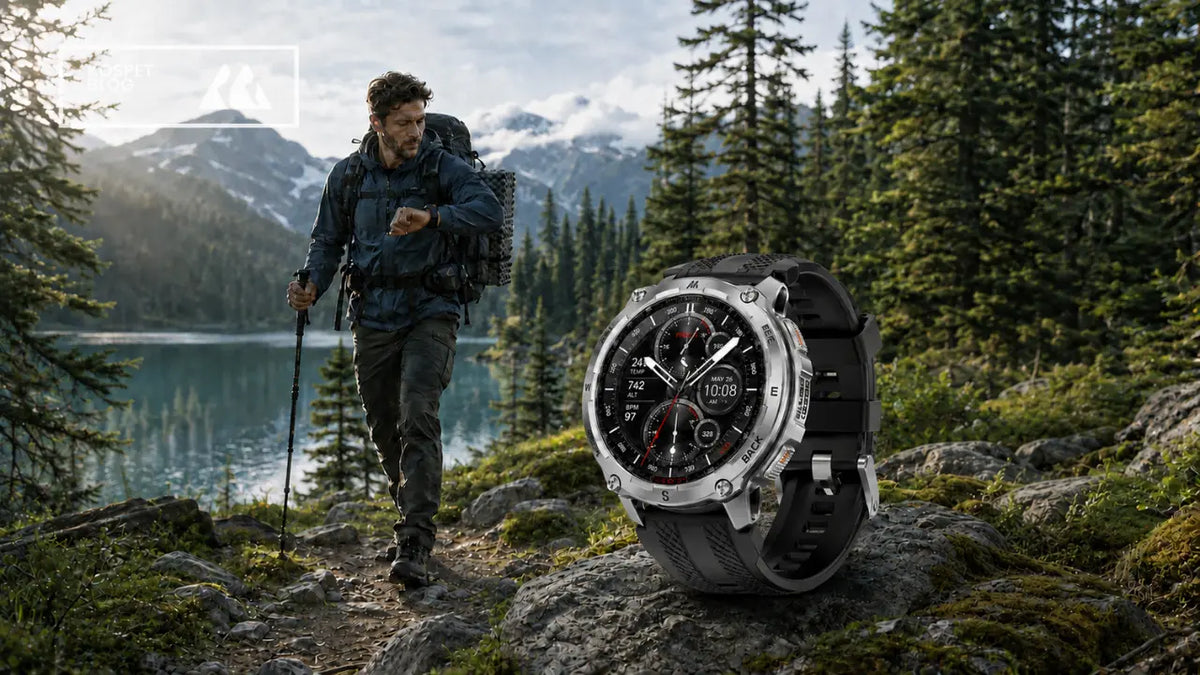
- عدّاؤو المسارات: يعتمد المتنزهون وعداؤو الجبال على نظام تحديد المواقع العالمي (GPS) من أجل السلامة والتنقل في الغابات الكثيفة.
خاتمة
يتطلب اختيار التقنية المناسبة نظرة صادقة على احتياجاتك الشخصية وبيئتك المحلية. يُعد نظام تحديد المواقع العالمي ثنائي النطاق نقلة نوعية هائلة لكل من عانى من خرائط غير واضحة أو عدادات سرعة غير دقيقة.
يحل هذا النظام مشكلة تداخل الإشارات التي لطالما أثرت على الساعات الرياضية. ورغم أنه يستهلك طاقة بطارية أكبر، إلا أن أدوات إدارة الطاقة الحديثة جعلت هذه المشكلة ثانوية بالنسبة لمعظم المستخدمين. يُنصح بإعطاء الأولوية لهذه الميزة عند التدريب في المدينة أو في الغابات الكثيفة.
الأسئلة الشائعة
هل يُحسّن نظام تحديد المواقع العالمي ثنائي النطاق تتبع المسافة على مسار قياسي بطول 400 متر؟
توفر الأجهزة ثنائية النطاق تحسينًا طفيفًا، لكن البرمجيات هي الحل الأمثل لعدائي المضمار. تتضمن معظم الساعات الحديثة ميزة "وضع المضمار" التي تُثبّت حركة الساعة على شكل بيضاوي مثالي بغض النظر عن إشارة نظام تحديد المواقع العالمي (GPS).
هل ستعمل ساعتي تلقائيًا على وضع النطاق المزدوج أم أنني بحاجة إلى تفعيله؟
تتطلب معظم الساعات تحديد وضع الدقة العالية من قائمة الإعدادات لكل نشاط على حدة. يمكنك العثور على هذا الخيار ضمن إعدادات نظام تحديد المواقع العالمي (GPS) أو الأقمار الصناعية لملف تعريف الجري أو المشي. يُعدّ إبقاء الساعة في الوضع التلقائي طريقة شائعة لضمان الحصول على أفضل النتائج.
هل نظام تحديد المواقع العالمي (GPS) في ساعة ثنائية النطاق أفضل من نظام تحديد المواقع العالمي (GPS) في هاتفي الذكي؟
تتفوق الساعات الرياضية المخصصة عادةً على الهواتف الذكية في تتبع النشاط البدني. تتميز هذه الساعات بهوائيات أكبر موجهة نحو السماء على معصمك، وتستخدم مرشحات متخصصة لإزالة التشويش الناتج عن حركة ذراعك أثناء الجري.