


نعم — ولكن بعض الساعات فقط تستحق أن توضع في القائمة المختصرة.
يجب أن تجتاز الساعة اختبارين. أولاً، يجب أن تدعم تشغيل الموسيقى دون اتصال بالإنترنت، وليس مجرد التحكم بالموسيقى عبر الهاتف. تُفرّق لغة منتجات Garmin بين "تنزيل الأغاني على ساعتك" و"الاتصال بسماعات بلوتوث" للاستماع دون الحاجة إلى الهاتف، وهو التمييز الصحيح الذي يجب مراعاته عند تقييم هذا النوع من الساعات.
ثانيًا، يحتاج المنتج إلى حماية كافية للاستخدام المتكرر، وليس مجرد تصميم رياضي. توجد تصنيفات IP لتحديد مستوى الحماية من الغبار وتسرب السوائل، لذا يجب اعتبار مقاومة الماء والغبار دليلًا على المتانة، وليس مجرد مصطلح تسويقي.
| شاهد تارجت | الأنسب لك | لماذا يستحق أن يكون ضمن القائمة المختصرة |
|---|---|---|
| كوسبيت | الموسيقى غير المتصلة بالإنترنت + الاستخدام الخارجي + الاستخدام اليومي الأكثر متانة | الخيار الأمثل عندما ترغب في الحصول على استقلالية موسيقية وساعة أكثر متانة وجاهزة للاستخدام الخارجي في جهاز واحد. |
| جارمن فوررنر 255 ميوزيك | الجري والتدريب الخفيف | أفضل للعدائين الذين يرغبون في الاستماع إلى الموسيقى دون حمل الهاتف، ولكنهم لا يحتاجون إلى هيكل متين للغاية. |
| جارمن فينيكس إي | تدريب خارجي متميز | أفضل للمستخدمين الذين يرغبون في ساعة خارجية متطورة مزودة بميزات الموسيقى والخرائط والمغامرات القوية. |
ما يحتاجه لتشغيل الموسيقى بدون هاتفك
ابدأ بسؤال عملي واحد:
هل ستستمر الساعة في تشغيل الموسيقى عندما لا يكون هاتفك معك؟
إذا كانت الإجابة بالنفي، فهذا يعني أن هذا الخيار لا يناسب حالة الاستخدام هذه. ولا تصبح بقية قائمة الميزات مهمة إلا بعد توضيح هذه النقطة.
التحكم في الموسيقى ليس كافياً
يجب استبعاد الساعة التي تتحكم فقط في موسيقى الهاتف من القائمة.
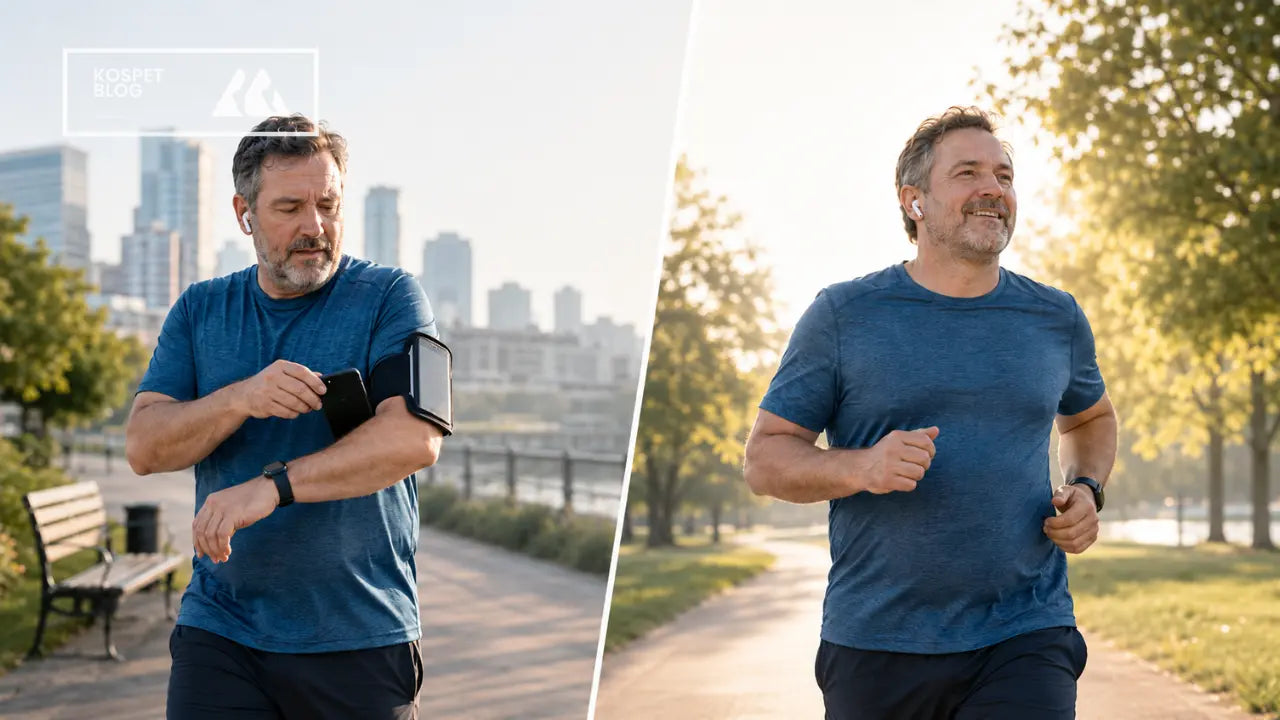
يُعدّ التحكم بالموسيقى مناسبًا للمشي العادي أو الاستخدام المكتبي. يمكنك إيقاف التشغيل مؤقتًا، أو تخطي المقاطع، أو ضبط مستوى الصوت من معصمك بينما يبقى الهاتف قريبًا. لكن عند التزلج، أو ركوب الدراجات، أو التدريب، أو المشي لمسافات طويلة، أو العمل اليدوي، لا يُزيل هذا الإعداد نقطة الضعف. لا يزال عليك حمل الهاتف، وهو الجهاز الأكثر عرضة للضغط، والسقوط، والعرق، والصدمات.
ينبغي أن يكون الجهاز الأفضل هو الذي يعمل كجهاز تشغيل بحد ذاته. لا ينبغي أن تقتصر وظيفة الساعة على نقل أزرار التحكم من جيبك إلى معصمك.
ينبغي تخزين الموسيقى على الساعة
المرشح التالي هو التخزين.
يجب أن تحتوي ساعة الموسيقى المفيدة التي تعمل دون اتصال بالإنترنت على ملفات الموسيقى الموجودة عليها، إما من خلال الملفات المحلية أو مزامنة قوائم التشغيل دون اتصال. هذا مهم لأن المستخدم لا يسعى إلى إنشاء نظام صوتي مثالي، بل يحاول تجنب حمل هاتف هش أثناء التنقل.
ينبغي تحديد حجم التخزين بناءً على سلوك الاستماع الفعلي. قد تكون مكتبة صغيرة مناسبة لفترة قصيرة، لكنها تصبح محدودة عندما يرغب المستخدم في قوائم تشغيل مختلفة للتزلج، أو جلسات التمرين في الصالة الرياضية، أو الرحلات الطويلة، أو مسارات المشي، أو التنقل، أو نوبات العمل.
الاختبار العملي بسيط:
هل تستطيع الساعة تخزين كمية كافية من الموسيقى بحيث تتوقف عن التخطيط بناءً على هاتفك؟
يجب أن تقترن سماعات الأذن مباشرة بالساعة
يجب أن يكون مسار الصوت نظيفًا:
ساعة → سماعات أذن بلوتوث
إذا كان لا يزال يتعين وضع الهاتف بين الساعة وسماعات الأذن، فإن هذا الإعداد لا يحل المشكلة الأصلية. قد يبدو الأمر أكثر راحة، لكن الهاتف يبقى جزءًا من النشاط.
يُعدّ هذا الأمر بالغ الأهمية، خاصةً للمستخدمين الذين يمارسون أنشطةً تكون فيها الجيوب خطرة أو غير مريحة. فخلال التزلج، قد يتعرض الهاتف لضربات متكررة. وأثناء ركوب الدراجات، قد يكون وضعه غير مريح في القميص أو الحقيبة. وأثناء التدريب في الصالة الرياضية، قد يعيق الحركة.أثناء العمل في الهواء الطلق، قد يتعرض للغبار والعرق والأسطح الصلبة.
ينبغي أن تكون الساعة هي المصدر، وليس جهاز التحكم عن بعد.
يجب أن يصمد عمر البطارية أثناء الاستخدام النشط
لا تحكم على هذا النوع من الساعات بناءً على عمر بطارية الساعات الذكية العادية فقط.
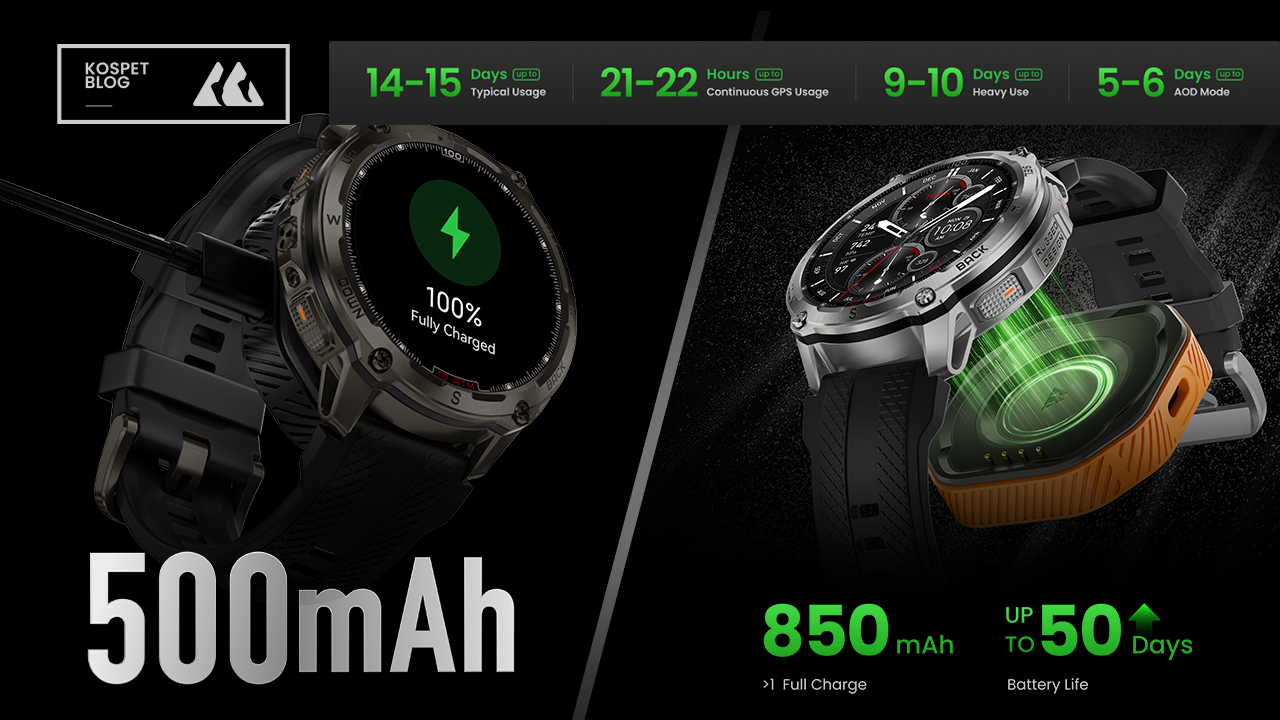
تُضيف الموسيقى غير المتصلة بالإنترنت عبئًا على الجهاز. كما يُضيف الصوت عبر البلوتوث عبئًا عليه. وتُضيف ميزات أخرى مثل نظام تحديد المواقع العالمي (GPS) وتتبع معدل ضربات القلب وتفعيل الشاشة وتسجيل التمارين الرياضية المزيد من العبء. KOSPET الخاصة كتيبات يتم فصل تقديرات البطارية لأوضاع نظام تحديد المواقع العالمي (GPS) مع تشغيل الموسيقى عن أوضاع نظام تحديد المواقع العالمي (GPS) العادية أو أوضاع الساعة الذكية، مما يوضح سبب ضرورة تقييم عمر البطارية أثناء الاستخدام النشط بشكل منفصل.
الاختبار الأفضل هو:
هل يمكنه إنهاء النشاط مع تشغيل الموسيقى والتتبع؟
بالنسبة للمتزلج، قد تكون جلسة طويلة بعد الظهر. بالنسبة لراكب الدراجة، جولة مع تفعيل نظام تحديد المواقع العالمي (GPS). بالنسبة للمتنزه، عدة ساعات في الهواء الطلق. بالنسبة للعامل، نوبة عمل حيث الموسيقى والتنبيهات ومراجعة الوقت كلها جزء من اليوم.
البطارية الضعيفة تجعل الساعة جهازاً إضافياً يتطلب إدارة. أما البطارية الأقوى فتتيح للمستخدم التوقف عن التفكير في الشحن أثناء ممارسة الأنشطة.
ما الذي يجعل الساعة الذكية المتينة موثوقة؟
أ ساعة ذكية متينة ينبغي الحكم على الجودة بالأدلة لا بالمظهر. قد يُضفي الغلاف السميك أو اللون الداكن أو التصميم الرياضي على الساعة مظهرًا قويًا، لكن هذه التفاصيل لا تُثبت قدرتها على تحمل الصدمات المتكررة أو الغبار أو الماء أو العرق أو الاهتزاز أو الاستخدام المطول في الهواء الطلق.
لا ينبغي اعتبار الساعة متينة إلا إذا أظهرت دليلاً في خمسة مجالات: الاختبارات البيئية، والحماية من الغبار والماء، ومقاومة الماء على مستوى الساعة، والحماية المادية للشاشة والهيكل، وموثوقية البطارية في ظل الاستخدام النشط.
| معيار المتانة | ما الذي يجب البحث عنه | ما يثبته ذلك |
|---|---|---|
| الاختبارات البيئية | اختبار MIL-STD-810H، وخاصة اختبارات الصدمات والاهتزاز ودرجة الحرارة والرطوبة والمطر والرمل والغبار | تم اختبار الساعة في مواجهة الإجهاد البيئي، وليس فقط في مواجهة الاستخدام المنزلي العادي. |
| حماية من الغبار والماء | تصنيفات IP واضحة، مثل IP68 أو IP69K | يحتوي الغلاف على مستوى محدد من الحماية ضد دخول الغبار والسوائل. |
| انتبه لمقاومة الماء | تصنيف 5ATM أو 10ATM، متوافق تمامًا مع معايير اختبار مقاومة الماء للساعات | الساعة مناسبة لأكثر من مجرد رذاذ خفيف، وذلك حسب التصنيف وحالة الاستخدام. |
| حماية الشاشة والجسم | إطار مرتفع، حافة شاشة محمية، زجاج مقاوم للخدش، هيكل مقوى، أزرار صلبة، حزام أمان | الأجزاء الأكثر عرضة للتلامس المباشر محمية مادياً. |
| موثوقية الاستخدام النشط | عمر البطارية عند الاستخدام المكثف، وعمر بطارية نظام تحديد المواقع العالمي (GPS)، وتوقعات عمر البطارية للموسيقى والتتبع | يمكن أن تظل الساعة مفيدة أثناء الجلسات الفعلية، وليس فقط أن تبدو جيدة بناءً على ادعاءات عمر البطارية في وضع الاستعداد. |
تُعدّ هذه المعايير مهمة لأنّ المستخدمين المختلفين يُلحقون الضرر بالساعة بطرقٍ مختلفة. فالمتزلج لا يُجهد الساعة بنفس طريقة راكب الدراجة، والمتنزه لا يستخدمها كعامل بناء. ويعتمد معيار المتانة المناسب على كيفية استخدام الساعة فعلياً.
قم بمطابقة دليل المتانة مع النشاط
بمجرد أن تحل الساعة محل هاتفك للاستماع إلى الموسيقى، فإنها تتولى أيضاً المخاطر التي كانت تقع على عاتق الهاتف. ولهذا السبب، يجب تقييم المتانة بناءً على الاستخدام، وليس بناءً على تصنيف عام لـ"المتانة".
| حالة الاستخدام | الخطر الرئيسي بعد ترك الهاتف في المنزل | إثبات المتانة لإعطاء الأولوية |
|---|---|---|
| التزلج على الألواح | قد تصطدم الساعة بالخرسانة، أو تحتك بالأرض، أو تتعرض لصدمة في المعصم أثناء السقوط. | اختبار مقاوم للصدمات، إطار مرتفع، زجاج مقاوم للخدش، حزام آمن. |
| ركوب الدراجات | يجب أن تتحمل الساعة الاهتزاز والعرق والمطر والوهج والفحوصات السريعة أثناء الحركة. | مقاومة للماء، موثوقية في مقاومة الاهتزاز، رؤية خارجية، أزرار فعلية. |
| التدريب في الهواء الطلق | قد تقوم الساعة بتشغيل الموسيقى، وسماعات الأذن اللاسلكية بتقنية البلوتوث، ونظام تحديد المواقع العالمي (GPS)، وتتبع معدل ضربات القلب، وفحص الشاشة معًا. | تصنيف IP، تصنيف ATM، عمر بطارية GPS، عمر بطارية الاستخدام المكثف. |
| العمل الأولي | تتعرض الساعة للأدوات والجدران والغبار والقفازات والعرق ونوبات العمل الطويلة. | حماية من الغبار، غلاف متين، أزرار سهلة الاستخدام حتى مع ارتداء القفازات، حزام أمان، بطارية تدوم طويلاً. |
في حالة الاستخدام الأصلي للتزلج، يجب أن تكون الحماية من الصدمات هي الأولوية. قد تحتوي الساعة على ميزة تشغيل الموسيقى دون اتصال بالإنترنت، ولكن إذا كانت الشاشة مكشوفة بالكامل أو كان السوار يتحرك بسهولة، فهي ليست خيارًا مناسبًا للاحتكاك المتكرر بالأرض.
بالنسبة لركوب الدراجات والاستخدام الخارجي، تتغير الأولويات. فمن غير المرجح أن تحتك الساعة بالخرسانة يوميًا، ولكن يجب أن تظل قابلة للقراءة، وثابتة، ومقاومة للعوامل الجوية، وقابلة للاستخدام أثناء تشغيل الموسيقى، والبلوتوث، ونظام تحديد المواقع العالمي (GPS)، والتتبع.
للأعمال الخشنة, لا يتعلق الأمر بالمتانة بالرياضة بقدر ما يتعلق بالاستخدام اليومي الشاق. فالغبار والأدوات والقفازات والعرق وساعات العمل الطويلة تجعل متانة الهيكل وسهولة التحكم بالأزرار وعمر البطارية الطويل أكثر أهمية من ميزات اللياقة البدنية الإضافية.
القاعدة العملية بسيطة: الساعة الذكية المتينة المناسبة ليست تلك التي تبدو الأقوى، بل تلك التي تتناسب متانتها مع طريقة استخدامك لها دون الحاجة إلى هاتفك.
اقرأ أيضاً: دليل شامل للساعات الذكية المتينة لعام 2026
أي نوع من الساعات يجب أن تختار؟
يعتمد الخيار الأفضل على ما يهم أكثر: الموسيقى غير المتصلة بالإنترنت، أو راحة التدريب، أو الأدوات الخارجية، أو الثقة في الاستخدام الشاق.
بالنسبة لهذا السؤال تحديداً، تقع الخيارات الأقوى بين ساعات الموسيقى وساعات الهواء الطلق المتينة.
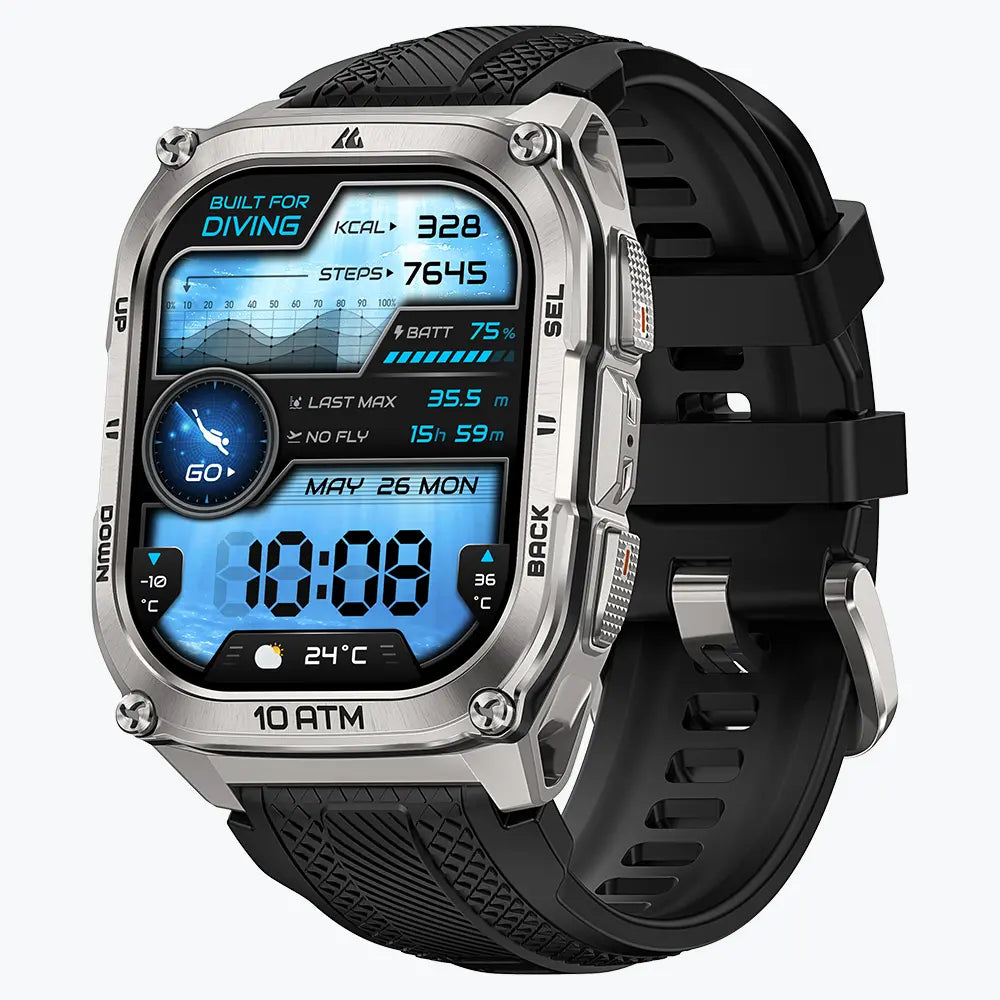
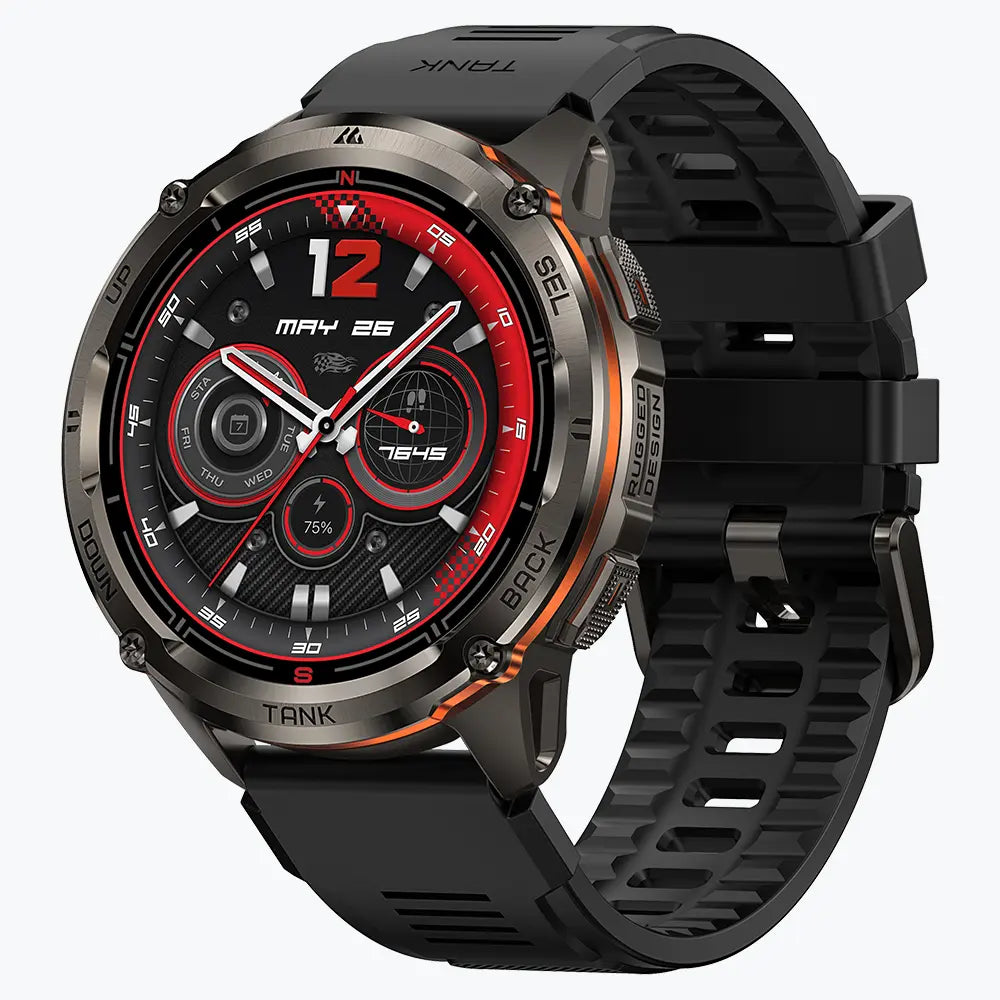
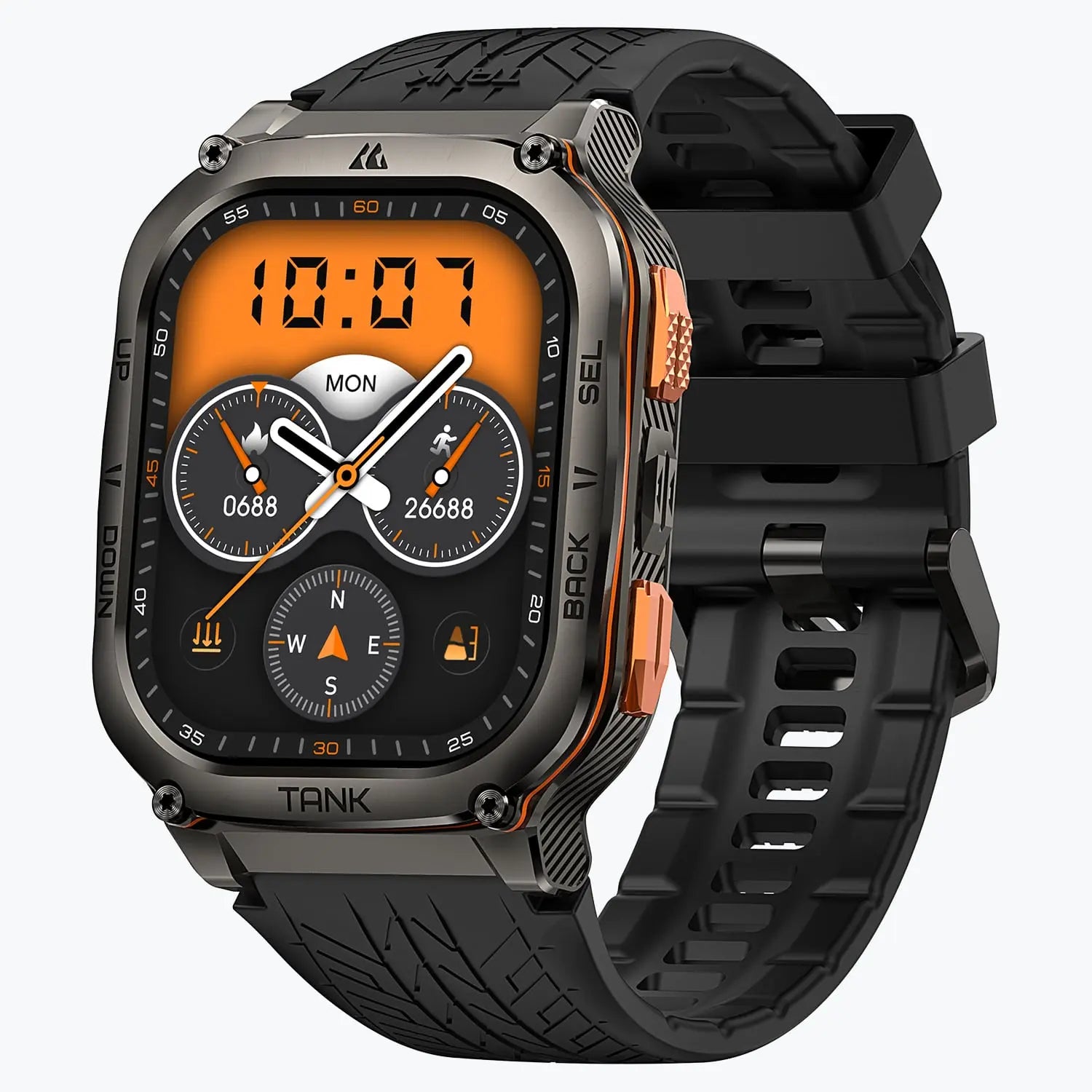
كوسبيت TANK T4: الأنسب للاستماع إلى الموسيقى دون اتصال بالإنترنت والمتانة في الهواء الطلق
كوسبيت

- لماذا تم إدراجه في القائمة المختصرة؟ إنها ليست مجرد ساعة للتحكم بالموسيقى. تُحدد KOSPET مواقعها
TANK يوفر T4 مساحة تخزين للأغاني والخرائط غير المتصلة بالإنترنت، بالإضافة إلى التشغيل غير المتصل بالإنترنت من خلال تطبيقه، بحيث يمكن للساعة أن تعمل كجهاز صوتي بدلاً من مجرد جهاز تحكم عن بعد للمعصم. - لماذا يناسب هذا الموضوع هذه المقالة؟ صُممت هذه الساعة للاستخدام الخارجي أيضاً، وليس فقط للاستماع إلى الموسيقى. فهي تدعم تحديد المسارات، وتوفر خرائط غير متصلة بالإنترنت، وميزات نظام تحديد المواقع العالمي (GPS)، وعمر بطارية طويل أثناء الاستخدام النشط، وهيكل من الفولاذ المقاوم للصدأ، ومقاومة للماء والغبار، وخضعت لاختبارات المتانة، مما يجعلها خياراً مثالياً للمستخدمين الذين يرغبون في عدد أقل من الأجهزة ولكنهم ما زالوا بحاجة إلى ساعة أكثر متانة.
- حيث قد لا يكون مناسباً: قد يفضل المستخدمون الذين يرغبون فقط في الحصول على أخف ساعة جري ممكنة نموذجًا أنحف مصممًا للتدريب أولاً.
- الأفضل لـ: الموسيقى دون اتصال بالإنترنت، وتتبع الأنشطة الخارجية، ومقاومة أكبر للتلف الناتج عن الاستخدام اليومي، كل ذلك في ساعة واحدة.
ساعة جارمن فوررنر 255 ميوزيك: الأنسب للتدريبات الخفيفة
ساعة Garmin Forerunner 255 Music تستحق التواجد في القائمة لسبب مختلف: إنها ساعة مخصصة للتدريب أولاً مع موسيقى بدون استخدام الهاتف.
- لماذا تم إدراجه في القائمة المختصرة؟ تقول شركة Garmin أن ساعة Forerunner 255 Music يمكنها تنزيل الأغاني على الساعة والاتصال بسماعات بلوتوث للاستماع بدون استخدام الهاتف، وهو ما يتوافق تمامًا مع متطلبات الموسيقى.
- لماذا يناسب بعض المستخدمين: إنها أخف وزناً وأكثر تركيزاً على الجري. وهي تناسب المستخدمين الذين يهتمون أكثر براحة التدريب، ومقاييس الجري، والشعور براحة أكبر على المعصم.
- حيث قد لا يكون مناسباً: تكمن ميزته في راحة التدريب، وليس في توفير أقصى حماية من الاستخدام الشاق. وهو أفضل للعدائين من المستخدمين الذين يخشون بشكل أساسي الصدمات المتكررة أو الاحتكاك أو الأعمال الشاقة.
- الأفضل لـ: العدائين الذين يرغبون في ساعة موسيقية أخف وزناً وأدوات تدريب قوية.
ساعة Garmin fēnix E: الخيار الأمثل للتدريب الخارجي المتميز
تُعد ساعة Garmin fēnix E الخيار الأمثل للأنشطة الخارجية في هذه المقارنة.
- لماذا تم إدراجه في القائمة المختصرة؟ تُزوّد شركة Garmin هذه الساعة بميزات تخزين الموسيقى، والخرائط، وأدوات التدريب في الهواء الطلق، ومقاومة الماء، بالإضافة إلى اختبارات المعايير العسكرية للمقاومة الحرارية والصدمات والماء.
- لماذا يناسب بعض المستخدمين: إنها أقرب إلى ساعة تدريب خارجية منها إلى ساعة جري رفيعة. وهذا يجعلها أكثر ملاءمة للمستخدمين الذين يهتمون بأدوات المغامرات والملاحة، وبنظام بيئي خارجي متطور.
- حيث قد لا يكون مناسباً: قد تكون هذه الساعة أكثر مما يحتاجه بعض المستخدمين. فإذا كان الهدف الرئيسي هو الاستماع إلى الموسيقى دون اتصال بالإنترنت بالإضافة إلى استخدام الساعة بشكل يومي أكثر متانة، فقد يبدو الطراز الخارجي الفاخر مبالغًا فيه.
- الأفضل لـ: المستخدمون الذين يرغبون في الحصول على تدريب خارجي متميز، ورسم خرائط، وموسيقى في جهاز واحد.
قاعدة الشراء النهائية
لا تصلح الساعة الذكية المتينة لهذا الغرض إلا إذا اجتازت كلا الاختبارين.
يجب أن يتعامل مع الموسيقى بشكل مستقل: التخزين على الساعة، والاقتران المباشر بسماعات الأذن، وعمر بطارية لا يزال منطقياً في ظل الاستخدام النشط.
يجب أن يتناسب أيضًا مع بيئة المستخدم: حماية الشاشة والغطاء من التلامس، وإحكام الإغلاق ضد العرق والغبار، وحزام أمان للحركة، وأدوات تحكم لا تزال تعمل حتى في الظروف الفوضوية.
أفضل هدف هو:
أ ساعة متينة مزودة بخاصية تخزين الموسيقى دون اتصال بالإنترنت.
من أجل كوسبيت،