


أ ساعة ذكية بمواصفات عسكرية يمكن التعامل مع أعمال إصلاح المعدات الثقيلة عندما يحل نقاط الضعف الحقيقية في العمل: التلامس المتكرر مع المعادن، والأيدي الدهنية، والغبار، والماء، والإضاءة الضعيفة، والقفازات، والاهتزاز، ونوبات العمل الطويلة.
لا ينبغي لفنيي المعدات الثقيلة البدء بالأوضاع التكتيكية، بل ينبغي أن يبدأوا بالمتانة المختبرة، ومقاومة الماء والغبار، والأزرار المادية، ووضوح الشاشة، والتنبيهات القوية، وعمر البطارية الذي يكفي لأسبوع عمل كامل.
لماذا يحتاج فنيو المعدات الثقيلة إلى ساعة ذكية متينة
لا يؤدي إصلاح المعدات الثقيلة عادةً إلى تلف الساعة في حادث واحد كبير، بل يتآكلها بفعل الاحتكاك المتكرر، والأوساخ، والضغط، والاستخدام اليومي. فقد يحتك الميكانيكي بالساعة على هيكل الرافعة، أو يضع معصمه على حافة فولاذية، أو يمد يده خلف غطاء المحرك، أو يدخل ذراعه في مساحة ضيقة داخل الآلة، وذلك عدة مرات خلال نوبة عمل واحدة.
لهذا السبب، قد تبدو الساعة الذكية العادية غير مناسبة في هذا العمل. قد يبدو غلافها النحيف أنيقًا، لكنه يجعل الشاشة أكثر عرضة للعوامل الخارجية. قد تعمل شاشة اللمس السلسة بشكل جيد في المنزل، لكن الزيت والغبار والعرق والقفازات قد تُصعّب التحكم بها. وقد ينزلق سوارها الضعيف عند استخدام مفتاح الربط، أو صعود السلم، أو الوصول إلى أسفل المعدات.
يجب أن تتمتع الساعة الذكية المتينة المخصصة للميكانيكيين بخصائص معدات العمل، لا خصائص نمط الحياة. ينبغي أن تشمل المواصفات الرئيسية متانة تم اختبارها وفقًا لمعيار MIL-STD-810H. مقاومة قوية للماء والغبار, إطار مرتفع أو تصميم غطاء محمي، أزرار فعلية، شاشة ساطعة، حزام آمن، وعمر بطارية يدوم لعدة أيام.
يجب أن تُقلل الساعة أيضًا من استخدام الهاتف في الأوقات الصعبة. قد لا يرغب الميكانيكي في إخراج هاتفه أثناء حمل الأدوات أو العمل بأيدٍ متسخة بالزيوت. يمكن لتنبيه المعصم للمكالمات والرسائل والمؤقتات والتذكيرات الأساسية أن يوفر الوقت دون إيقاف العمل.
ماذا تعني المعايير العسكرية لإصلاح المعدات الثقيلة؟
يجب أن تعني الدرجة العسكرية المتانة البيئية المختبرة، وليس المظهر العسكري. MIL-STD-810 يرتبط هذا المعيار بالهندسة البيئية والاختبارات المعملية، ويُستخدم لتقييم كيفية تعامل المعدات مع الإجهاد الناتج عن ظروف التشغيل الفعلية. ويرتكز هذا المعيار على تصميم الاختبارات بما يتناسب مع البيئات المتوقعة، وليس مجرد إضافة علامة "متين" للمنتج.
فيما يخص إصلاح المعدات الثقيلة، يجب قراءة مصطلح "المستوى العسكري" من خلال نقاط الفشل في موقع العمل:
- مقاومة للصدمات يُعدّ الأمر مهماً عندما تصطدم الساعة بإطارات فولاذية أو صناديق أدوات أو واقيات آلات أو درجات معدات.
- مقاومة الاهتزاز الأمور المتعلقة بتشغيل المحركات والشاحنات والضواغط والضاغطات وآلات مواقع العمل.
- مقاومة للغبار تُعدّ هذه الأمور مهمة في ورش العمل الجافة، والساحات الترابية، ومناطق البناء، والحظائر، وساحات المعدات، ومناطق الآلات.
- مقاومة للماء مناسب للمطر والعرق والطين والرذاذ ومعدات الغسيل والإصلاحات الخارجية الرطبة.
- تحمل درجات الحرارة يُعد هذا الأمر بالغ الأهمية عندما ينتقل العمل بين الصباحات الباردة، ومناطق الآلات الساخنة، والساحات الخارجية، والطقس المتغير.
بالنسبة للميكانيكيين، لا يكون مصطلح "بمواصفات عسكرية" مفيدًا إلا عندما تتطابق الضغوط المختبرة مع أعمال الإصلاح الحقيقية. يجب أن يوضح المصطلح الحماية من التلف في مواقع العمل، وليس مجرد إضفاء طابع عسكري على الساعة.
يجب أن تتميز الساعة الذكية العسكرية الجيدة للاستخدام في العمل بسهولة وظائفها الأساسية. ينبغي أن تكون وظائف الوقت والتنبيهات والمؤقتات والإضاءة والتحكمات الأساسية سهلة الوصول. إذا كانت الأدوات الشائعة مخفية في قوائم معقدة، فقد تبدو الساعة متينة نظرياً، لكنها بطيئة في العمل الفعلي.
هل يمكنه الصمود أمام الفولاذ والشحوم والغبار والصدمات؟
لا يمكن لساعة ذكية مصممة للاستخدام العسكري أن تصمد أمام عمليات إصلاح المعدات الثقيلة إلا إذا كان هيكلها يحمي الأجزاء الأكثر عرضة للتلف. فالحواف الفولاذية قد تخدش الزجاج، وتُحدث انبعاجات في الهيكل، وتُخدش الإطار.قد يؤدي تراكم الشحوم إلى تقليل موثوقية عناصر التحكم باللمس. كما قد يتراكم الغبار حول الفجوات والأزرار وفتحات السماعات والأحزمة ومنافذ الشحن.
المشكلة الحقيقية لا تكمن في ضربة قوية واحدة فحسب، بل في سوء الاستخدام المتكرر. قد تصمد الساعة أمام صدمة واحدة على هيكلها، لكن الاحتكاك اليومي بأدراج الأدوات، وواقيات المحرك، والدرجات المعدنية، وألواح الحماية، وطاولات العمل، قد يُلحق الضرر بهيكلها وشاشتها تدريجيًا. لذا، فإن الحواف المرتفعة، والزجاج المقوى، والتصميم المحكم، والحزام الآمن، كلها عوامل مهمة.
كما يجب أن تظل الساعة سهلة التنظيف. الميكانيكا غالباً ما يتعرض العمال لطبقات من الزيت والغبار والطين والعرق وأوساخ الورش. لذا، لا ينبغي أن تعتمد الساعة الذكية المتينة المخصصة للعمال على أسطح حساسة أو أحزمة يصعب تنظيفها. فكلما قلّت نقاط الضعف في هيكل الساعة وأزرار التحكم، كان أداؤها أفضل في العمل الشاق.
| عامل موقع العمل | ما يمكن أن يفعله ذلك بالساعة | ما الذي يجب البحث عنه |
|---|---|---|
| حواف فولاذية | خدش الزجاج وترك علامات على العلبة | إطار مرتفع، هيكل متين، زجاج محمي |
| شحم | يجعل إدخال اللمس أقل موثوقية | أزرار مادية ومواد سهلة التنظيف |
| تراب | يتجمع حول الفجوات ونقاط الشحن | مقاومة للغبار وتصميم محكم الإغلاق |
| اهتزاز | يزيد ذلك من التوتر أثناء العمل اليومي على الآلات | متانة مُختبرة وملاءمة ثابتة للحزام |
| الماء والطين | يختبر الأختام الضعيفة والفتحات المكشوفة | مقاومة عالية للماء |
| المساحات الضيقة | يفرك الساعة على الأسطح الصلبة | حزام آمن وتصميم لا يعيق الحركة |
لا ينبغي وصف المتانة بأنها "قوية" فقط. بالنسبة لفني المعدات الثقيلة، تعني المتانة أن الساعة يمكنها تحمل الأشياء نفسها التي تتلف الساعات العادية: الاحتكاك، والغبار، والزيت، والضغط، والماء، والاهتزاز، والارتطام المتكرر بالمعصم.
لماذا تعتبر أدوات التحكم الملائمة للقفازات مهمة للميكانيكيين
تُعدّ أدوات التحكم سهلة الاستخدام حتى مع ارتداء القفازات مهمة، لأنّ الميكانيكيين غالبًا ما يستخدمون الساعة عندما لا تكون أيديهم نظيفة أو جافة أو حرة. فقد يكون الميكانيكي ممسكًا بمفتاح ربط، أو يرتدي قفازات، أو مستلقيًا تحت آلة، أو واقفًا بجانب معدات وأصابعه متسخة بالزيت. في تلك اللحظات، قد تصبح شاشة اللمس الصغيرة بطيئة ومزعجة.
تُعدّ الأزرار المادية مفيدة لأنها تُقلّل من الحاجة إلى اللمس الدقيق. ينبغي أن يكون بإمكان الفني كتم صوت التنبيه، أو التحقق من المكالمات، أو تشغيل المؤقت، أو العودة إلى الشاشة الرئيسية، أو تشغيل الضوء دون الحاجة إلى النقر بدقة على أيقونة صغيرة. وهذا أمر بالغ الأهمية، خاصةً عندما تكون إحدى يديها مُمسكة بأداة أو قطعة غيار.
بالنسبة للميكانيكيين، تعني أدوات التحكم الجيدة حركة أقل لليد أثناء العمل الشاق: أزرار جانبية بارزة للقفازات، وأرقام كبيرة لإجراء فحوصات لمدة ثانية واحدة، وأدوات سريعة للمؤقتات والإضاءة، واهتزاز قوي للأماكن الصاخبة، وحزام ثابت لا ينزلق عندما يقوم المعصم بتدوير مفتاح الربط.
يجب أن يعمل نظام التحكم في غضون ثانية واحدة. لا ينبغي للمستخدم أن يتوقف، أو ينظف إصبعه، أو يخلع قفازه، أو يفتح قفل الهاتف، أو يبحث في القوائم لمجرد التأكد من أهمية المكالمة. في مجال الصيانة، لا تُعدّ أدوات التحكم البسيطة ترفًا، بل هي جزء لا يتجزأ من سهولة الاستخدام.

لماذا تُعدّ سهولة قراءة الشاشة مهمة في أعمال الإصلاح؟
تُعدّ وضوح الشاشة أمرًا بالغ الأهمية لأنّ الفنيين يستخدمون الساعة لاتخاذ قرارات سريعة، وليس للمشاهدة المطوّلة. قد يلقي العامل نظرة سريعة على الساعة للإجابة على سؤال واحد: ما هو الوقت؟ من المتصل؟ هل انتهى المؤقت؟ هل تستحق هذه الرسالة التوقف للاستماع إليها؟
يتطلب هذا النوع من الاستخدام سهولة القراءة السريعة. يجب أن تعرض الشاشة أرقامًا كبيرة، وتباينًا قويًا، وتنبيهات واضحة، وتصميمات بسيطة.قد يبدو وجه الساعة المزخرف جيدًا في صور المنتج، ولكنه قد يبطئ المستخدم عند فحص الساعة تحت أشعة الشمس، أو إضاءة المتجر، أو ظلال سيارات الأجرة، أو عند انخفاض ارتفاع الآلات.
تُعدّ تغيرات الإضاءة شائعة في صيانة المعدات الثقيلة. فقد تُجرى مهمة ما في الخارج تحت أشعة الشمس الساطعة، بينما قد تُجرى مهمة أخرى داخل كابينة الشاحنة، أو أسفل الهيكل، أو بجانب طاولة عمل خافتة الإضاءة، أو في مكان مُغطى. لذا، ينبغي أن تُقلّل شاشة العرض الواضحة من وقت اتخاذ القرار في جميع هذه الظروف.
حماية الشاشة يُعدّ وضوح الشاشة جزءًا من سهولة القراءة أيضًا. فالشاشة الساطعة أقل فائدة عندما يكون زجاجها مخدوشًا أو ملطخًا أو يصعب قراءته بعد احتكاكه المتكرر بالأدوات والأغطية الواقية. في أعمال الصيانة، لا يشترط أن تكون الشاشة جذابة، بل يكفي أن تبقى واضحة وسهلة القراءة بعد الاستخدام الفعلي.
عمر البطارية الطويل أهم من الأوضاع التكتيكية
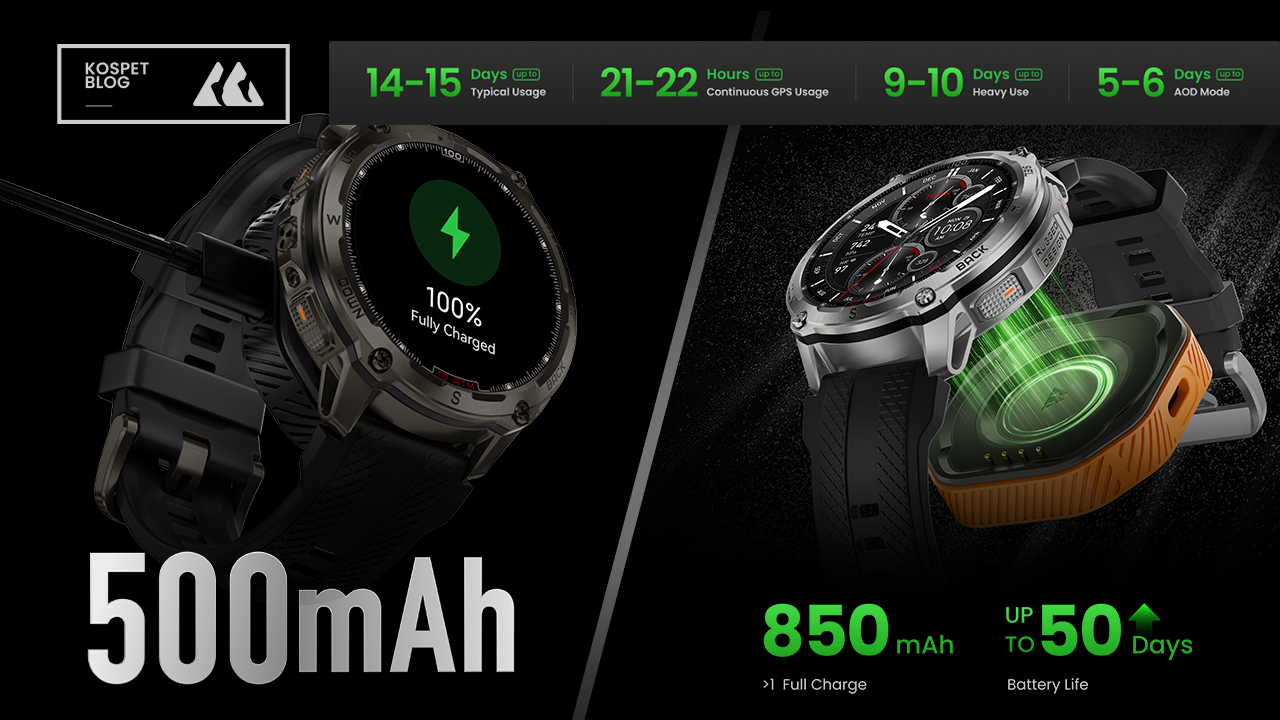
عمر بطارية طويل يُعدّ هذا الأمر بالغ الأهمية لأنّ الفنيين لا يعملون بالقرب من الشاحن طوال اليوم. فالساعة التي تحتاج إلى شحن يومي قد تُصبح جهازًا إضافيًا يُضاف إلى أعباء العمل بعد نوبة عمل طويلة. وهذا يُشكّل عائقًا أمام العمل الميداني، والعمل الإضافي، والإصلاحات الخارجية، والتنقل بين مواقع العمل.
ينبغي على الفنيين تقييم عمر البطارية بناءً على أنماط الاستخدام، وليس على الرقم الأكبر في ورقة المواصفات. فمكالمات البلوتوث، وسطوع الشاشة، وشاشة العرض الدائمة، وتنبيهات الاهتزاز، واستخدام نظام تحديد المواقع العالمي (GPS)، وتتبع الصحة، واستخدام المصباح اليدوي، كلها عوامل قد تُقلل من عمر البطارية. إن معرفة أداء الساعة في ظل الاستخدام العادي والكثيف أهم من معرفة الرقم الكبير الذي يُشير إلى عمر البطارية.
تؤثر موثوقية البطارية أيضًا على الثقة. فإذا نفدت بطارية الساعة كثيرًا، سيتوقف الفني عن الاعتماد عليها في التنبيهات والمؤقتات والفحوصات السريعة. ينبغي أن تظل الساعة الذكية المتينة المخصصة للعمل مفيدة حتى قرب نهاية اليوم، وليس فقط في بداية الدوام.
ميزات مفيدة في الساعات الذكية لميكانيكيي الديزل
أهم ميزات الساعات الذكية لفنيي محركات الديزل هي تلك المرتبطة بالمهام الشائعة. وتكون الميزة قيّمة عندما توفر الوقت والجهد المبذول في استخدام الهاتف، أو تساعد في بيئة عمل صاخبة أو متسخة أو ذات إضاءة خافتة.
| مهمة ميكانيكية | وظيفة ساعة مفيدة | لماذا يفيد؟ |
|---|---|---|
| العمل بالقرب من محركات صاخبة | تنبيهات الاهتزاز القوي | يسهل ملاحظة المكالمات أو الرسائل |
| الفحص أسفل المعدات | مصباح يدوي أو ضوء سريع | يساعد في إجراء فحوصات بصرية سريعة |
| توقيت خطوات الإحماء أو الفحص | مؤقت وساعة توقيت | يدعم إجراءات الخدمة |
| الهاتف في الجيب أو الشاحنة أو صندوق الأدوات | تنبيهات المكالمات والرسائل | يقلل من التعامل مع الهاتف المتسخ |
| أعمال خدمة خارجية | أدوات الطقس والموقع | يساعد في تخطيط عمليات الإصلاح الميداني |
| نوبات عمل بدنية طويلة | تتبع الصحة الأساسي | يقدم مرجعًا بسيطًا للعافية |
ليس الهدف جمع أكبر عدد من الميزات، بل اختيار الميزات التي تتوافق مع طريقة عمل الميكانيكيين في الواقع. يجب أن تدعم الساعة الذكية لميكانيكيي محركات الديزل اتخاذ القرارات السريعة، وإجراء الفحوصات السريعة، وتنفيذ المهام البسيطة.
يجب أن تكون ساعة العمل الجيدة عملية وبسيطة. فإذا كانت تتطلب الكثير من الانتباه، أو ترسل الكثير من التنبيهات، أو تتطلب نقرات متكررة، فإنها ستصبح مصدر إلهاء إضافي. أفضل الميزات هي تلك التي تبدو مفيدة دون مقاطعة العمل.
الأنسب: كوسبيت TANK T4C لأعمال الإصلاح الحقيقية
كوسبيت

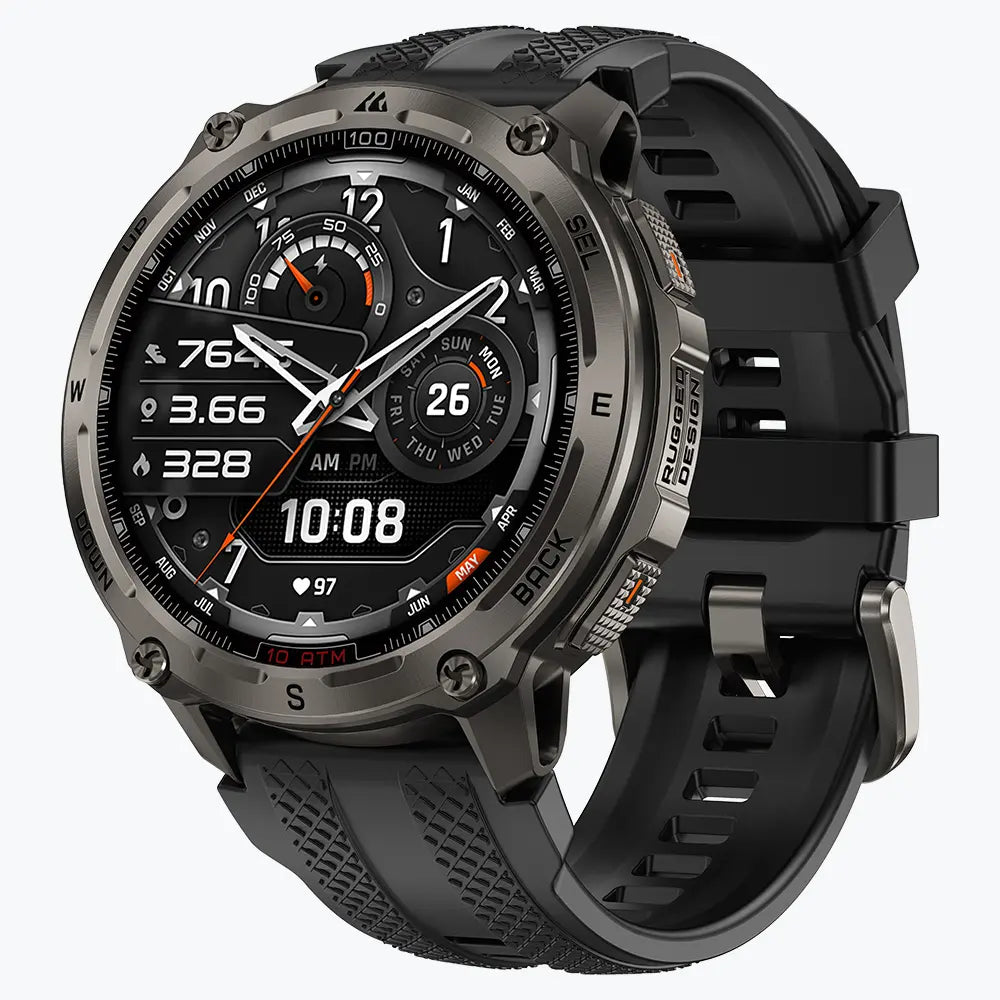
تكمن قيمته في التفاصيل الملائمة للعمل: متانة من الدرجة العسكرية MIL-STD-810H، وشاشة AMOLED مقاس 1.5 بوصة بسطوع 1000 شمعة، ومقاومة للماء حتى 5 ATM و IP69K، وأربعة أزرار فعلية، ومصباح يدوي مدمج بخمسة مستويات، وعمر بطارية نموذجي يصل إلى 12-15 يومًا.
| سيناريو الإصلاحات الثقيلة | القيمة العملية | |
|---|---|---|
| يحتك المعصم بالإطارات وصناديق الأدوات وحواف الآلات | هيكل متين | يساعد على التعامل مع التلامس المتكرر أثناء أعمال الإصلاح |
| الأيدي دهنية أو مغبرة أو ترتدي قفازات | أربعة أزرار فعلية | يُسهّل التحكم الأساسي دون الحاجة إلى إدخال دقيق باللمس |
| يتم العمل في المطر أو الطين أو رذاذ الماء أو مناطق الغسل | مقاومة للماء حتى 5 ضغط جوي و IP69K | يدعم الاستخدام في الظروف الرطبة والمتسخة الصعبة |
| يجب فحص التنبيهات تحت أشعة الشمس أو ضوء المتجر | شاشة AMOLED مقاس 1.5 بوصة بسطوع 1000 شمعة | يساعد على القراءة السريعة بنظرة واحدة |
| الزوايا المظلمة، صناديق الأدوات، أو عمليات الفحص أسفل الآلة | مصباح يدوي مدمج بخمسة مستويات | يوفر إضاءة سريعة للمعصم عندما لا يكون المصباح الرئيسي في اليد |
| نوبات عمل طويلة وسفر إلى مواقع العمل | عمر البطارية النموذجي يصل إلى 12-15 يومًا | يخفف من ضغط الشحن خلال أسابيع العمل المزدحمة |
| خدمة خارجية أو إصلاح ميداني | نظام تحديد المواقع العالمي (GPS) ثنائي النطاق L1+L5 مع ستة أنظمة أقمار صناعية | يساعد في دعم تحديد المواقع في بيئات العمل الخارجية |
لإصلاح المعدات الثقيلة،
خاتمة
الجواب النهائي بسيط: بالنسبة للميكانيكيين الذين يعملون في بيئة مليئة بالفولاذ والشحوم والغبار والآلات الثقيلة، فإن أفضل ساعة ذكية عسكرية هي تلك التي تستمر في العمل عندما تبدأ الساعات الذكية العادية في الشعور بالهشاشة أو صعوبة التحكم فيها أو صعوبة قراءتها.
التعليمات
هل الساعة الذكية ذات المواصفات العسكرية مناسبة لميكانيكيي محركات الديزل؟
نعم. يمكن أن يكون خيارًا جيدًا عندما يتم اختبار متانته، ومقاومته للماء والغبار، وأزراره المادية، وتنبيهاته القوية، وشاشته الواضحة، وعمر بطاريته الذي يدوم لعدة أيام.
هل يحتاج فنيو المعدات الثقيلة إلى ميزات الساعات الذكية التكتيكية؟
ليس عادةً. يحتاج معظم الميكانيكيين إلى أدوات العمل أولاً: التنبيهات، والمؤقتات، وإمكانية الوصول إلى المصباح اليدوي، والأزرار المادية، وشاشة عرض قابلة للقراءة، وعمر بطارية موثوق.
ما الذي يُلحق أكبر ضرر بالساعة الذكية أثناء إصلاح المعدات الثقيلة؟
تتسبب الاحتكاكات المتكررة في معظم المشاكل. يمكن أن تتسبب الحواف الفولاذية والغبار والشحوم والاهتزازات والماء والأماكن الضيقة والأيدي المتسخة في تلف الغلاف والشاشة وأزرار التحكم والحزام ومنافذ الشحن بمرور الوقت.