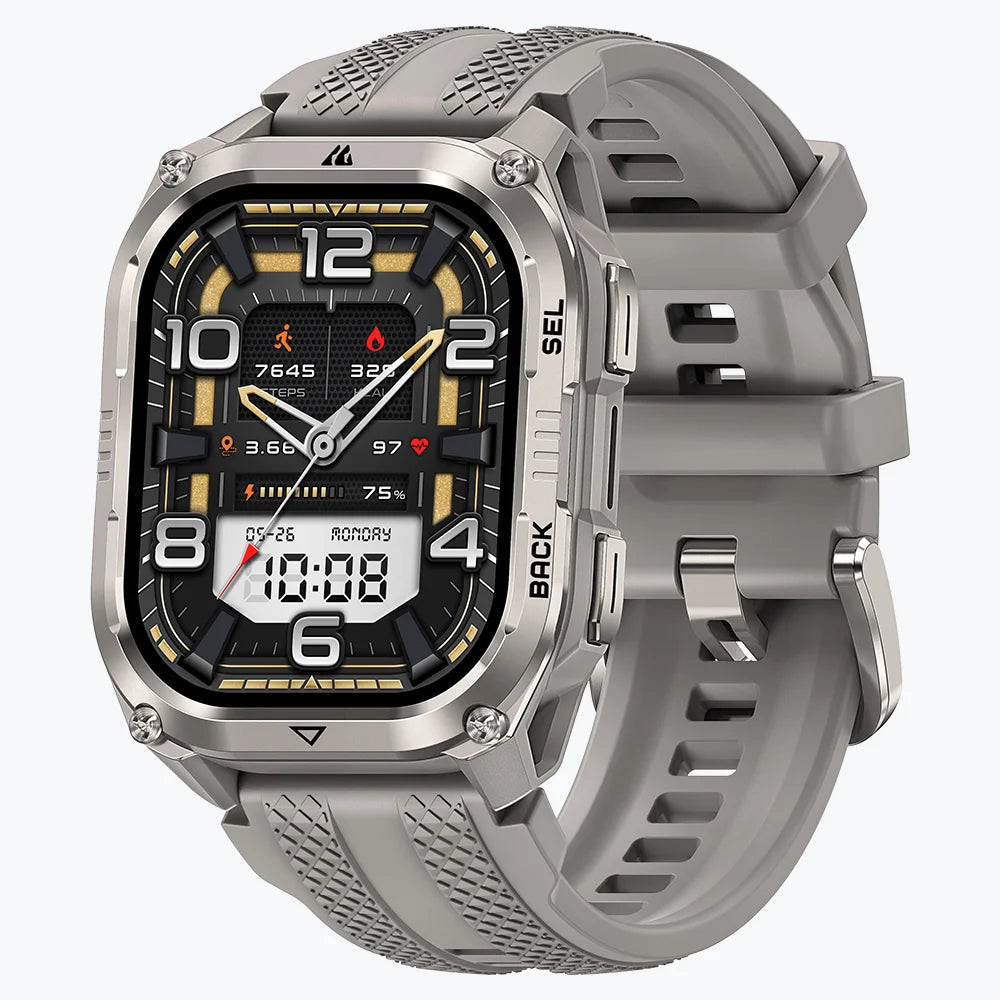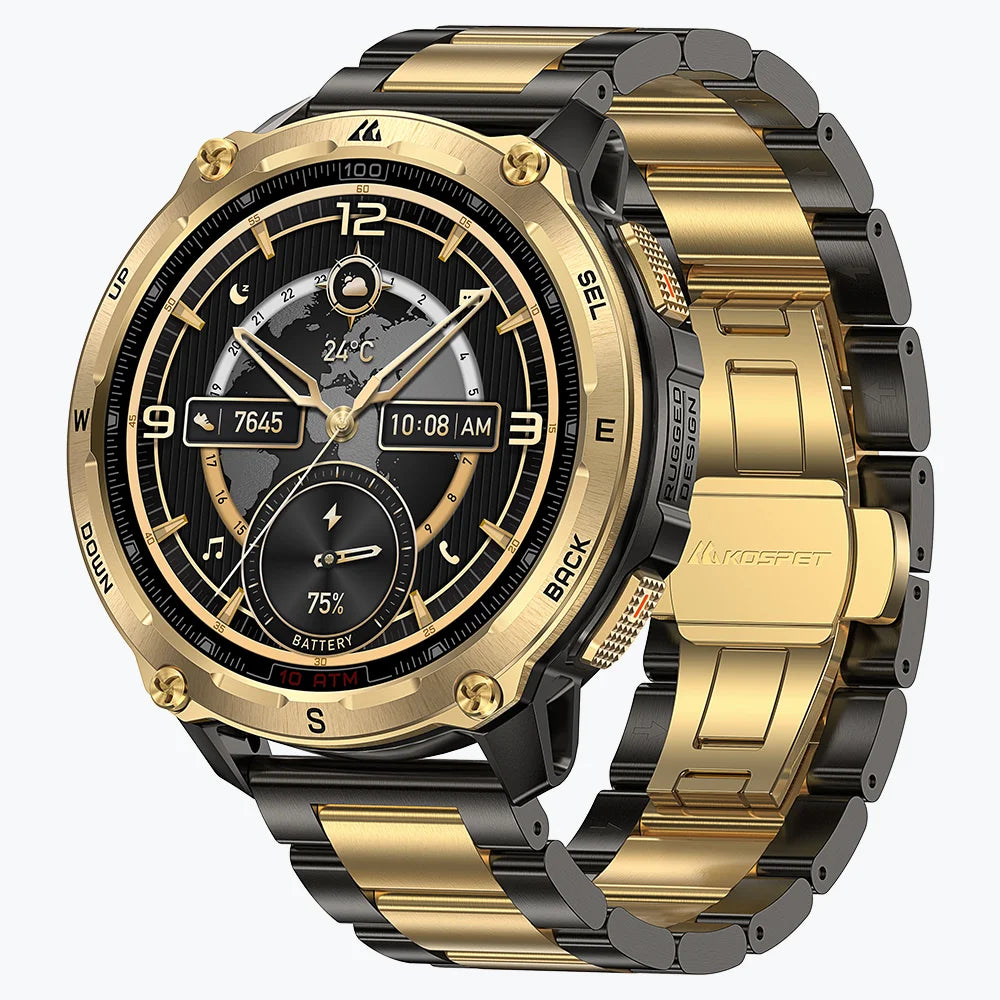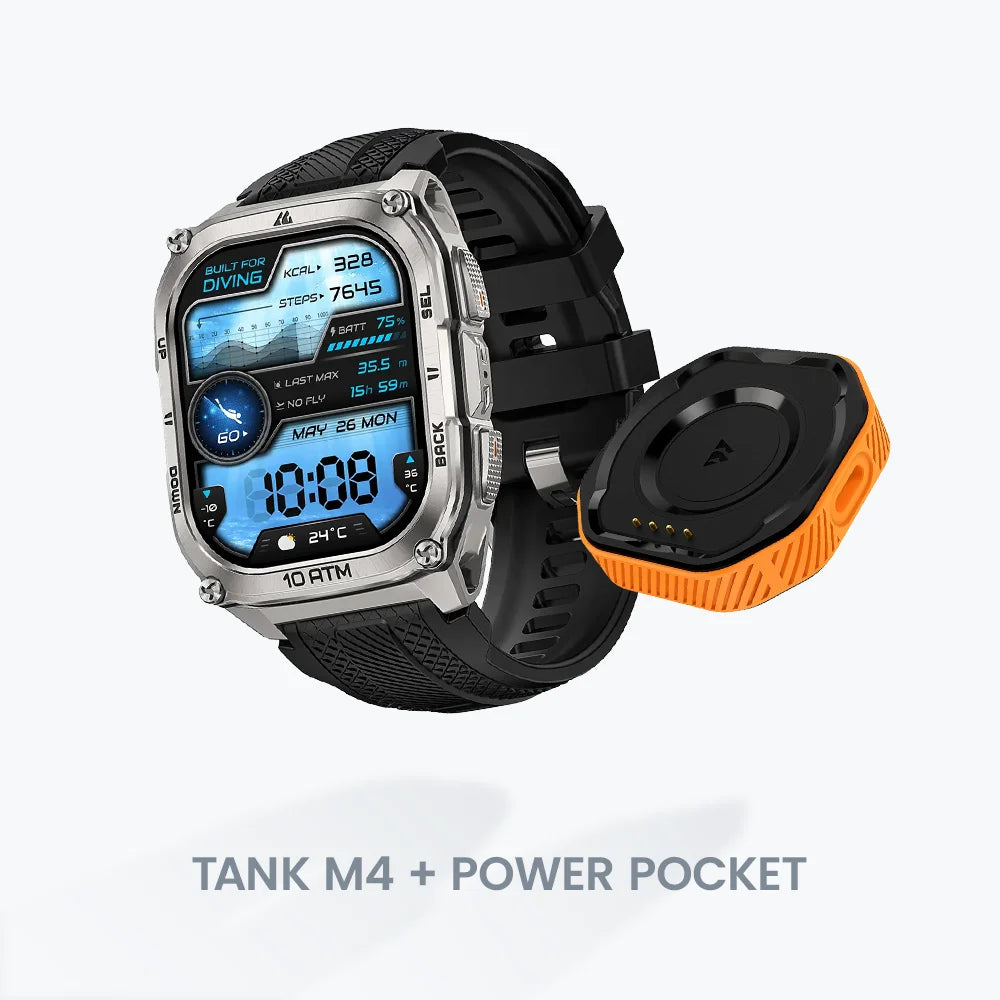



An entry-level outdoor smartwatch should match the activity, last through the longest planned session, and remain easy to use. Advanced maps, recovery metrics, and specialist navigation only add value when the activity requires them.
The four watches in this guide represent different entry paths rather than a same-price ranking: KOSPET ORB 2 for affordable rugged use, KOSPET PULSE 2 for large-screen activity tracking, COROS PACE 4 for endurance training and maps, and Garmin Instinct E for tougher navigation, water use, and multi-sport growth.

Best Entry-Level Outdoor Smartwatches Compared
| Smartwatch | Entry path and best activities | Price tier | GPS and navigation | Protection and claimed battery | Learning cost |
|---|---|---|---|---|---|
| KOSPET ORB 2 | Affordable rugged start for hiking, camping, fishing, and outdoor work | Budget | Dual-band, six-system GNSS for route recording; no offline maps | 5 ATM, IP69, Gorilla Glass; up to 16 days of typical use or 25 hours of continuous GPS | Low: Activity tracking and daily controls are quick to learn |
| KOSPET PULSE 2 | Large-screen start for running, cycling, gym sessions, and active commuting | Budget | Dual-band, six-system GNSS for route recording; no offline maps | 5 ATM, IP69, Gorilla Glass; up to 15 days of typical use or 23 hours of continuous GPS | Low: The spacious touch layout makes workout data easy to scan |
| COROS PACE 4 | Performance start for running, triathlon, and endurance training | Mid-range | Dual-frequency positioning, route sync, breadcrumb guidance, and global maps | 5 ATM; up to 19 days of daily use or 41 hours in High GPS mode | Moderate: Maps, data screens, and training metrics need some setup |
| Garmin Instinct E 45 mm | Outdoor-system start for unfamiliar trails, swimming, and multi-sport use | Upper entry-level | GPS, GLONASS, Galileo, point-to-point guidance, breadcrumbs, and TracBack | MIL-STD-810-tested construction, 10 ATM; up to 16 days in smartwatch mode or 24 hours in GPS-only mode | Moderate to high: Button navigation and Garmin’s deeper menus take time to learn |
How to Choose an Entry-Level Outdoor Smartwatch
Three checks are enough to narrow the field.
Match Navigation to the Route
Familiar roads and marked trails usually need reliable route recording rather than maps. Imported routes, breadcrumbs, return-to-start tools, or on-watch maps become more valuable where junctions are confusing or phone access is unreliable. A watch that only records a track should never be mistaken for a navigation device.
Check the Longest Activity and Harshest Condition
Compare continuous GPS time with the longest hike, ride, or race—not with standby battery claims. Water resistance also needs context: 5 ATM suits rain and supported swimming activities, while 10 ATM provides more headroom for frequent water exposure. Construction, screen glass, button access, and wrist comfort matter more than an aggressive case design.
Choose a Learning Curve Worth the Benefit
Simple tracking watches reduce setup and menu time. Maps, custom data screens, training plans, recovery scores, and multi-sport profiles provide more guidance but require configuration and interpretation.
Beginners can postpone advanced analytics, full mapping, diving features, and ecosystem accessories until their activities create a clear need. Paying for unused complexity rarely improves the first outdoor experience.
Best Outdoor Smartwatches for Beginners by Activity
KOSPET ORB 2: Best for Hiking, Camping, and Outdoor Work
Best for: Day hiking, camping, fishing, physical work, and buyers who want one affordable watch for weekdays and outdoor weekends.
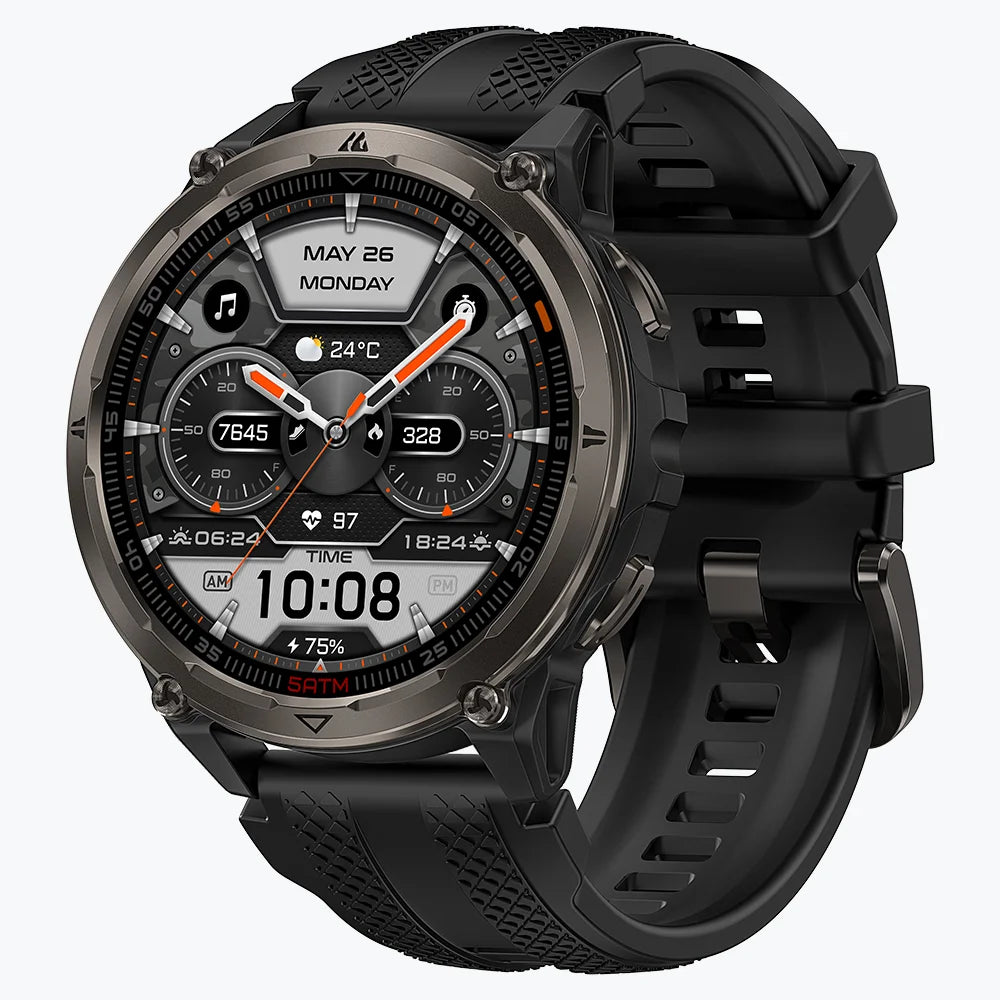
Jam Tangan Pintar KOSPET Orb
$79.99 USD
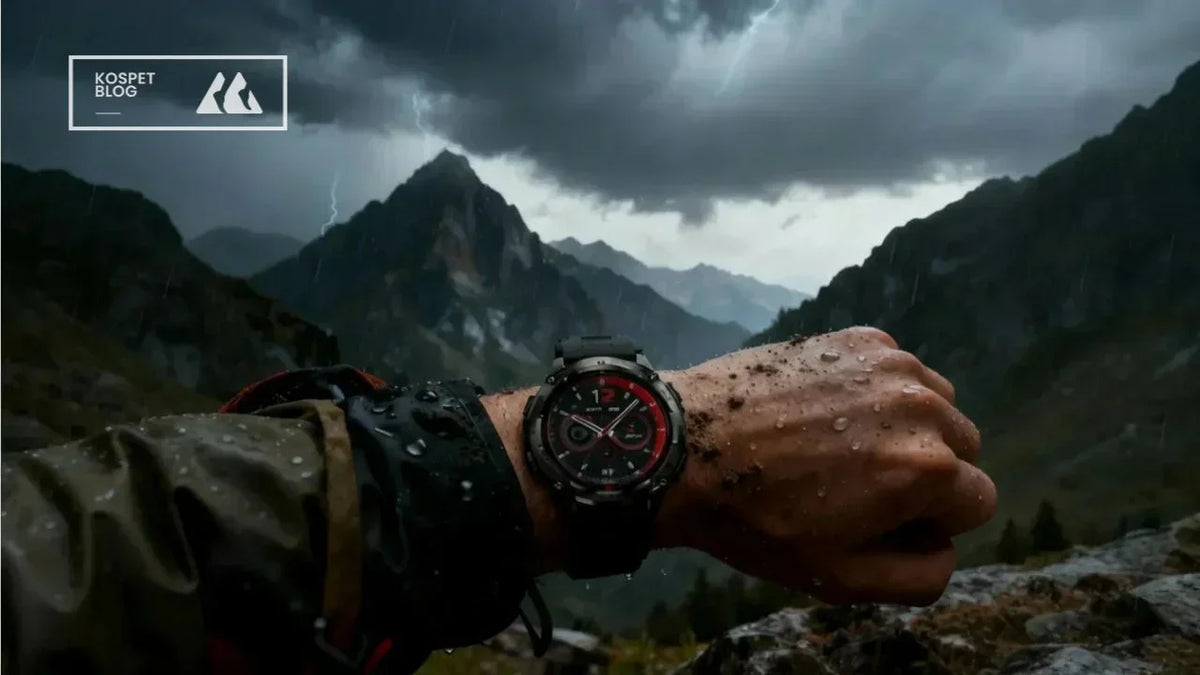
Problem it solves: Ordinary fitness watches can feel too delicate around tools, dust, rain, and repeated knocks. KOSPET ORB 2 combines a full-metal bezel, Gorilla Glass, 5 ATM and IP69 protection, and testing against 12 MIL-STD-810H environmental standards.
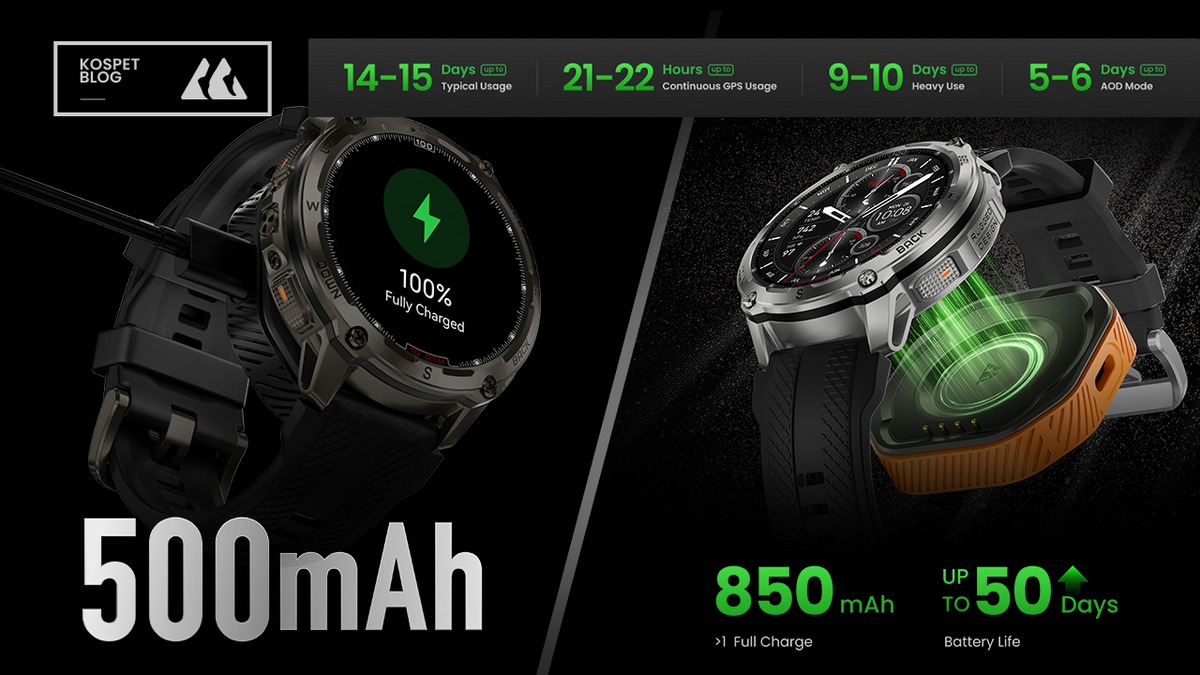
Why it works: The 1.43-inch round AMOLED screen keeps a conventional watch shape, while dual-band, six-system GNSS records hikes, runs, and rides without using the phone’s GPS receiver. Its 500mAh battery is rated for up to 16 days of typical use or 25 hours of continuous positioning. A five-level LED flashlight adds practical illumination around a campsite, vehicle, dark path, or work area.
Learning cost: Low. Pairing the watch, starting an activity, and reviewing a recorded route require little preparation.
Main limitation: ORB 2 records where the wearer has travelled but does not display offline maps or imported route guidance. Unfamiliar trails still call for a phone, paper map, or dedicated navigation device. This path favors practical toughness and uncomplicated tracking over backcountry navigation.
KOSPET PULSE 2: Best for Running, Cycling, and Active Training
Best for: Running, cycling, gym sessions, active commuting, and anyone who values larger workout data.
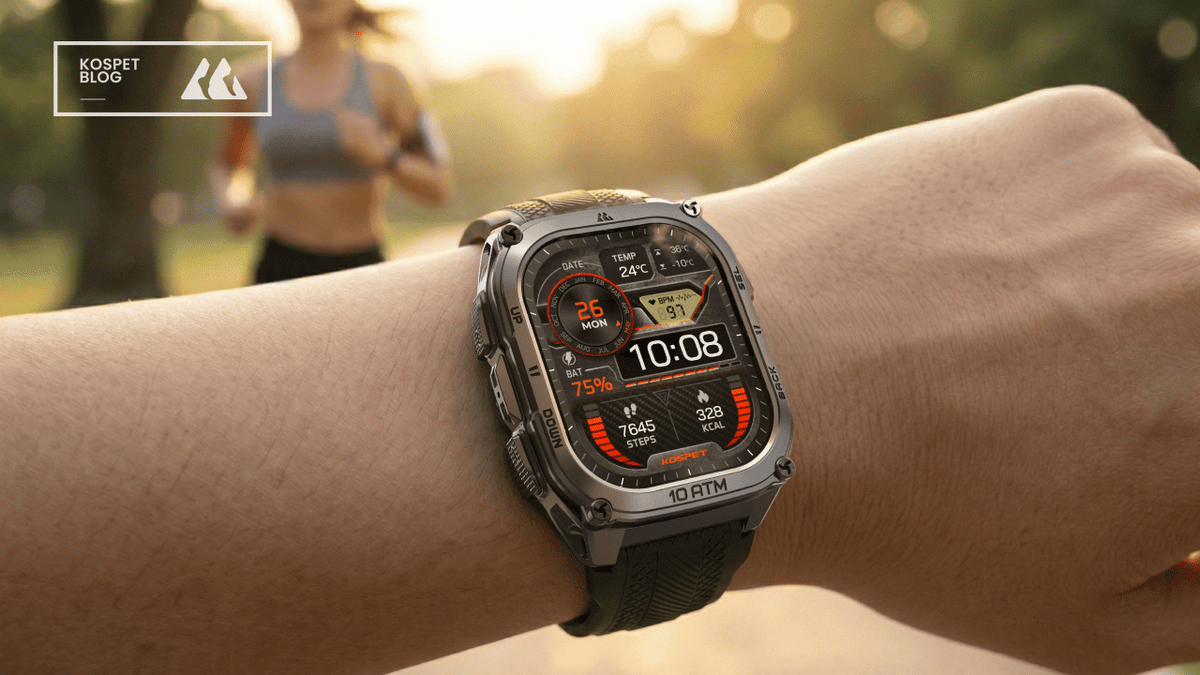
Problem it solves: Small displays make pace, heart rate, elapsed time, and notifications harder to check while moving. KOSPET PULSE 2 uses a 1.96-inch square AMOLED screen to show more information with less swiping.
Why it works: PULSE 2 shares ORB 2’s core outdoor platform—dual-band route recording, rugged protection, Gorilla Glass, and an LED flashlight—but changes how information is presented. The rectangular layout favors quick reading during workouts. Its battery is rated for up to 15 days of typical use or 23 hours of continuous GPS, covering routine training and day trips without daily charging.
Learning cost: Low. Large touch targets and a spacious layout make the watch approachable for a first-time owner.
Main limitation: The larger screen does not provide map navigation. PULSE 2 records a route rather than guiding the user through one. Choose it over ORB 2 for better at-a-glance readability, not for greater ruggedness or navigation depth.
COROS PACE 4: Best for Running, Triathlon, and Endurance Training
Best for: Beginners preparing for a first 5K, half marathon, triathlon, or another endurance goal.
Problem it solves: A basic activity log shows what happened but offers little help with training intensity, recovery, or race preparation. COROS PACE 4 adds structured workouts, personalized plans, race predictions, recovery data, and a virtual pacer.
Why it works: The nylon-band version weighs 32 grams, making it comfortable over longer sessions. All-systems, dual-frequency positioning supports more consistent tracking in cities and wooded areas. Synced routes, breadcrumb guidance, and global landscape and topographic maps add context at junctions. COROS claims up to 41 hours in High GPS mode and 19 days of daily use.
Learning cost: Moderate. Recording a run is simple, but maps, custom data screens, route services, and training metrics need setup and interpretation. Athletes who review their progress will gain more from that effort.
Main limitation: PACE 4 prioritizes low weight, performance feedback, and maps rather than jobsite protection or lifestyle apps. Its mid-range price makes sense for goal-driven training, while casual users may leave much of the platform unused.
Garmin Instinct E: Best for Unfamiliar Trails, Swimming, and Multi-Sport Training
Best for: Unfamiliar trails, frequent swimming, rough outdoor use, and beginners building a broader multi-sport routine.
Problem it solves: Wet touchscreens, confusing junctions, and changing elevation expose the limits of a simple tracking watch. Garmin Instinct E adds dependable button control and navigation tools for more demanding conditions.
Why it works: Five physical buttons remain usable with gloves, rain, or sweaty hands. Its sunlight-readable MIP screen, MIL-STD-810-tested construction, and 10 ATM rating favor repeated outdoor and water use. Point-to-point guidance, breadcrumbs, return-to-start, TracBack, a three-axis compass, and a barometric altimeter provide direction and environmental context. The 45 mm model is rated for up to 16 days in smartwatch mode or 24 hours in GPS-only mode.
Learning cost: Moderate to high. Button combinations, activity profiles, widgets, navigation screens, and Garmin’s wider ecosystem take practice. That investment suits users who expect their activities to expand over time.
Main limitation: Instinct E does not display full topographic maps, and its continuous GPS runtime falls behind PACE 4. The higher entry price pays for dependable controls, stronger water protection, sensors, and broader outdoor capability rather than a premium color screen.
FAQs
Can an Entry-Level Outdoor Smartwatch Work Without a Phone?
A watch with built-in GPS can record route, pace, distance, and workout data without using the phone’s GPS receiver. Initial setup, firmware updates, detailed reports, notifications, and data synchronization still rely on a paired phone for most models. Maps and planned routes also need to be downloaded or synchronized before leaving mobile coverage.
Do Beginners Need Offline Maps on an Outdoor Smartwatch?
Offline maps are unnecessary for familiar parks, marked routes, road running, or activities where a phone remains available. They become worthwhile on trail systems with frequent junctions. Breadcrumb guidance offers a middle ground by showing a planned line or return direction without displaying the surrounding map.
Is 5 ATM Water Resistance Enough for Outdoor Activities?
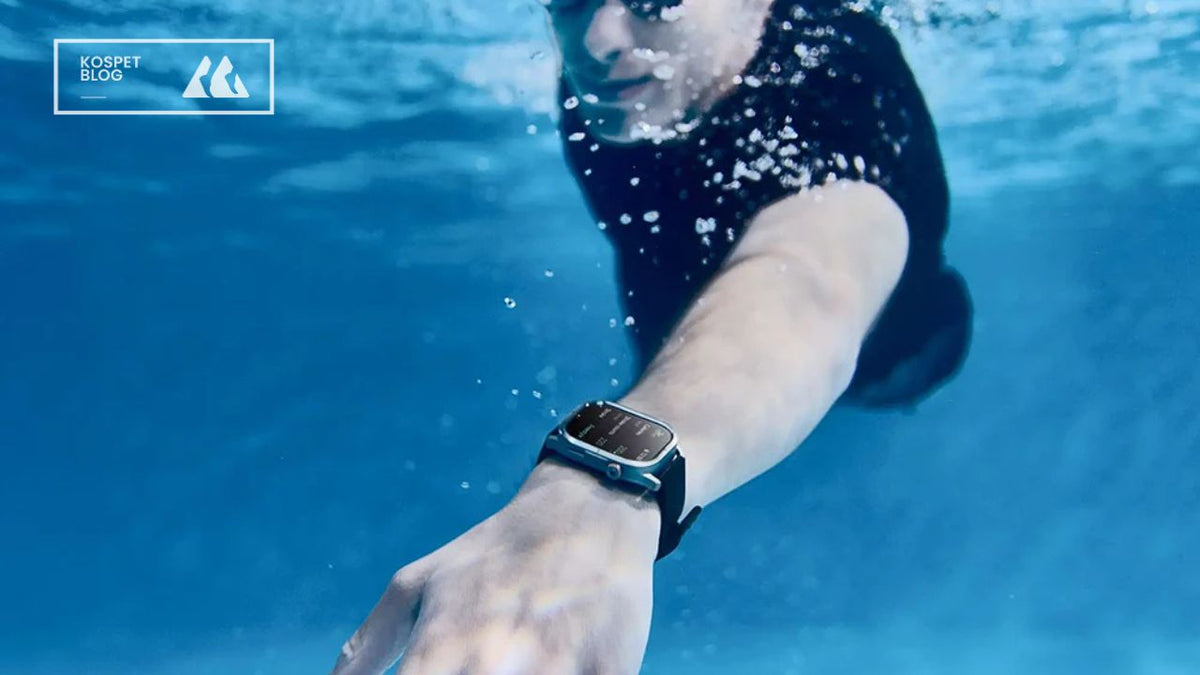
A 5 ATM rating generally covers rain, sweat, pool swimming, and shallow-water activity when the manufacturer supports those uses. It does not make a watch suitable for scuba diving or every high-speed water sport. Garmin Instinct E raises the rating to 10 ATM, giving frequent swimmers and water-focused users more margin.