


Key Takeaway
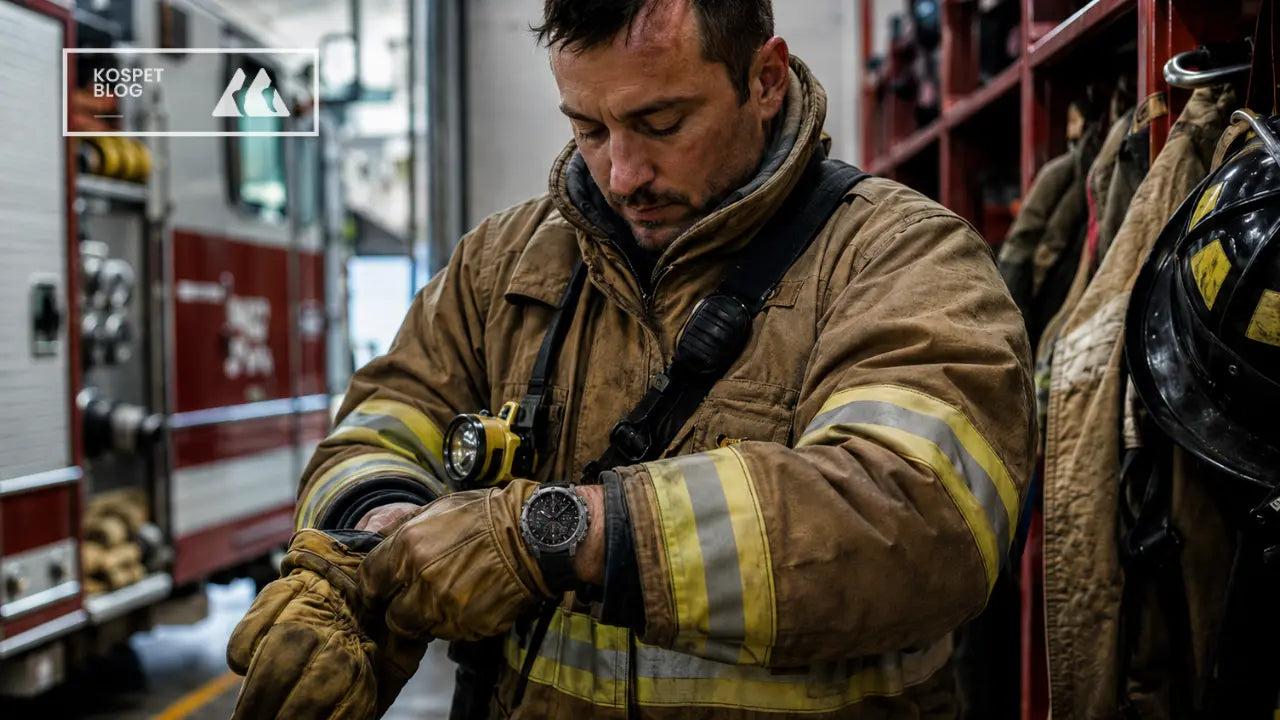
A rugged smartwatch can be useful on a job site, but it should not be treated as personal protective equipment. For tradesmen, the right watch depends on the work environment. Electricians need to think about conductive parts, welders need to protect the watch from sparks and grinding dust, construction workers need glove-friendly controls, and plumbers or mechanics may benefit most from water resistance and a built-in flashlight.
Do not buy a rugged smartwatch just because it says “military-grade” or “waterproof.” Look at the actual ratings, the use limits, phone compatibility, battery life, and whether the watch solves real problems in your trade.

How We Chose These Watches
This guide ranks rugged smartwatches by job type, not by hype. We looked at:
- Job-site durability: case design, buttons, water resistance, dust resistance, and screen protection
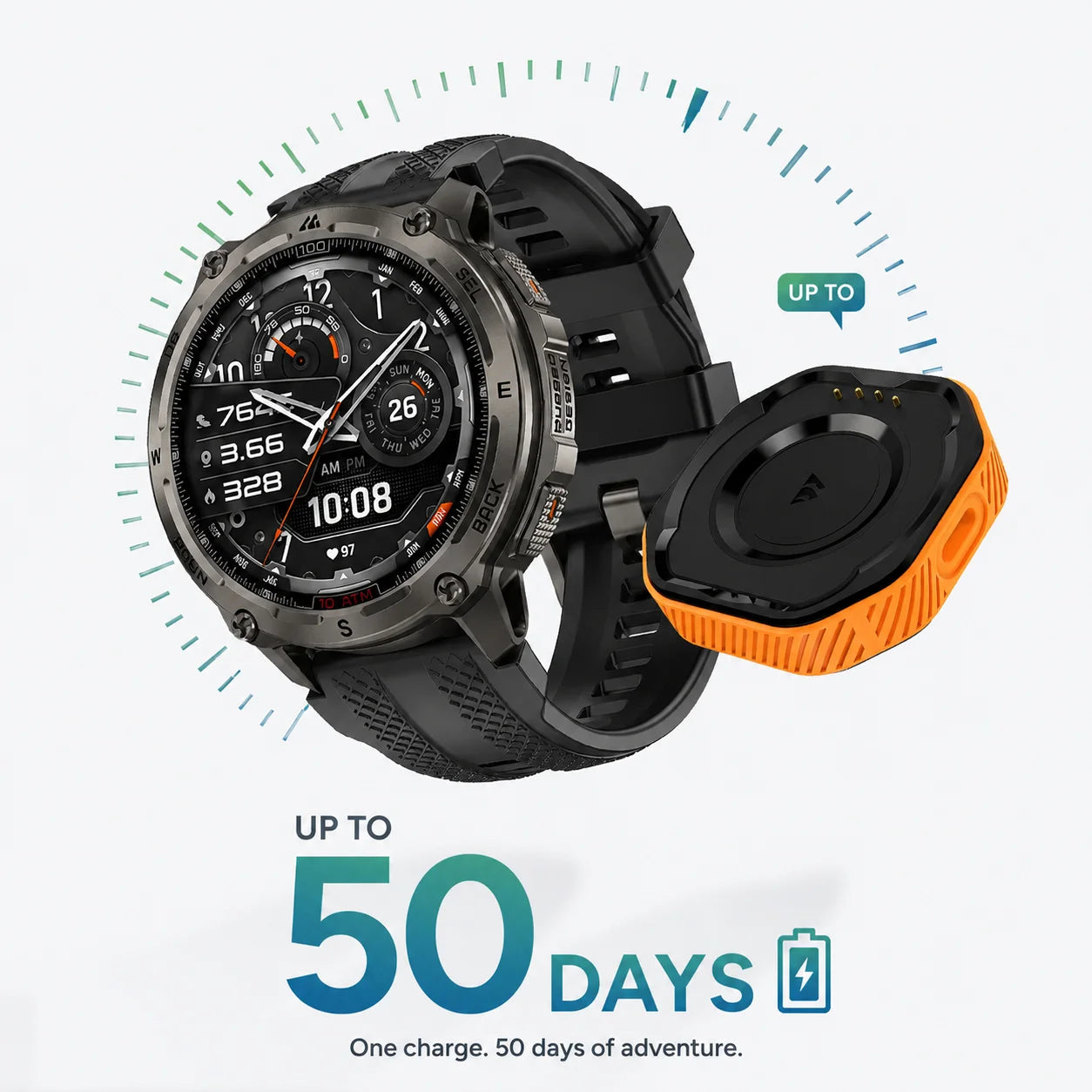
- Battery life: whether the watch can handle long shifts or multi-day use
- Practical features: flashlight, GPS, Bluetooth calling, health tracking, and physical controls
- Safety limits: whether the watch makes sense for electrical work, welding, wet jobs, or impact-heavy sites
- Compatibility: whether it works with Android, iPhone, or both
- Drawbacks: what each watch does not do well
Why Tradesmen Need a Rugged Smartwatch
A normal smartwatch may be fine for the office, gym, or weekend use, but a job site is different. Dust, concrete, water, vibration, sharp edges, gloves, sweat, and hard impacts can all damage or limit a standard watch.
A rugged smartwatch can help with quick time checks, timers, alarms, notifications, GPS tracking, heart-rate awareness, and hands-free lighting. Some models also support Bluetooth calling or SOS-style features, but those usually depend on setup, phone connection, app support, or network coverage. They should be treated as backup tools, not guaranteed emergency systems.
The best watch is not always the most expensive or feature-heavy one. The better choice is the one that matches the workday.
Understanding Rugged Smartwatch Ratings
IP68 vs. IP69K
IP ratings describe protection against dust and water. The first digit refers to solid-particle protection, while the second digit refers to water protection.
IP68 usually means the device is dust-tight and rated for water immersion under the manufacturer’s test conditions. IP69K is different. It is designed for high-pressure, high-temperature water jet testing. For tradesmen, IP69K matters most when the watch may be exposed to mud, wet dust, hose rinsing, washdown conditions, or dirty outdoor work.
IP69K does not automatically mean the watch is better for diving, hot showers, steam rooms, or long underwater use. For swimming or pressure-related water use, check the ATM rating and the brand’s specific use guidance.
MIL-STD-810H
MIL-STD-810H is often used in rugged-watch marketing, but it does not mean a watch is indestructible. It refers to environmental test methods such as shock, temperature, vibration, humidity, sand, dust, and other conditions.
A better way to read the claim is: “This watch was designed or tested against selected environmental stresses.” It does not mean the watch will always survive a roof drop, a direct tool strike, or daily welding sparks.
For KOSPET Smartwatch, the exact number of listed tests depends on the product. For example, Kospet lists 15 U.S. MIL-STD-810H certifications for the TANK T3 and TANK T3 Ultra 2.
OSHA and Electrical Work
For electricians, the issue is not only the watch band. OSHA restricts conductive jewelry and clothing, including watch bands, bracelets, rings, and similar items, when they might contact exposed energized parts. OSHA also notes that such items may be worn only if rendered nonconductive by covering, wrapping, or other insulating means.
That means a silicone or rubber strap can reduce one risk, but it does not automatically make the entire watch safe. If the case, buckle, clasp, bezel, or buttons are conductive, they may still be a concern near exposed energized parts.
For electrical work, follow your company’s safety rules first. In some situations, the safest choice is not wearing a watch at all.
Kospet Rugged Smartwatch Guide by Job Type
For Electricians
Electricians need to think about safety before features. The Kospet TANK M3 can work for low-risk daily use, but it should not be treated as electrical safety equipment.
- Conductive parts: A silicone strap is better than a metal band, but the watch body may still include conductive material.
- Exposed energized work: If the job involves live panels or exposed electrical parts, removing the watch may be the safest choice.
- Snag risk: A simple strap and secure fit help reduce the chance of the watch catching on wires, tools, or tight spaces.
- Quick checks: Timers, alarms, and notifications are useful when workers need to stay on schedule without pulling out a phone.
- Site rules first: Company safety policy should always decide whether a watch is allowed during electrical work.
The TANK M3 is suitable for electricians who want a rugged everyday watch for general site use, not for direct contact with energized equipment.
Avoid it if your work requires removing all wristwear or if your site does not allow personal electronics near electrical systems.
For Welders and Metal Workers
Welders need a watch that can handle a rough environment without being too expensive to damage. The Kospet TANK T3 is a practical option because it keeps the focus on toughness and basic usability.
- Sparks and slag: Welding can damage screens and straps, so a rugged but replaceable watch makes more sense than a luxury model.
- Grinding dust: Fine metal dust can scratch surfaces and collect around buttons, so regular cleaning is important.
- Heat exposure: The watch should be kept away from direct heat, even if it is built for rugged use.
- Simple controls: Physical buttons are easier to use when wearing gloves or when hands are dirty.
- Lower replacement pressure: A practical rugged model is easier to justify in a job where gear gets abused.
The TANK T3 fits welders and metal workers who want basic smart features without risking a premium smartwatch in a spark-heavy environment.
Avoid it if the watch will be directly exposed to welding sparks, slag, or grinding debris every day.
For Heavy Construction Workers
Heavy construction workers need a watch that stays easy to use in dusty, wet, and high-impact job-site conditions. The Kospet TANK T4C is a practical fit because it focuses on daily construction-site problems.
- Dust, mud, and sweat: Job sites are dirty, so the watch needs to be easy to clean after work.
- Gloves and wet hands: Touchscreens can be unreliable, so physical buttons make quick operation easier.
- Outdoor sunlight: A bright display helps workers read the screen quickly under direct sun.
- Daily bumps: A rugged case is useful when working around ladders, tools, walls, and equipment.
- Less bulky wear: The round design is easier to wear when moving through tight spaces or carrying materials.
The TANK T4C is a good choice for construction workers who want a rugged watch that is practical, glove-friendly, and comfortable enough for long job-site shifts.

คอสเปต TANK สมาร์ทวอทช์ T4C
$159.99 USD
Avoid it if you need the biggest possible screen. For that use case, the Kospet TANK M4C may be a better option.
For Plumbers and Mechanics
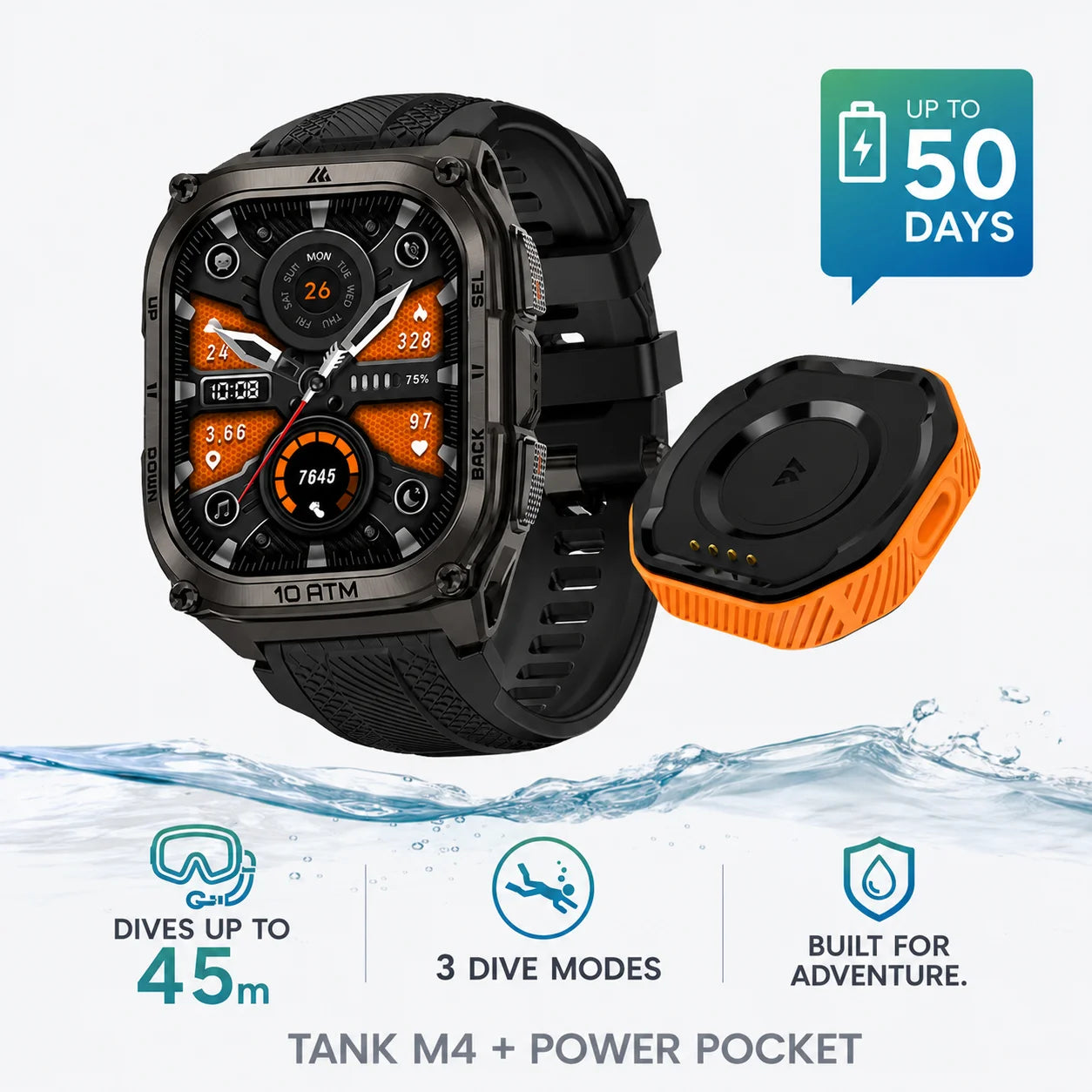
Plumbers and mechanics often work in dark, wet, and cramped spaces. The Kospet TANK M4C is a strong fit because it focuses on visibility, water exposure, and hands-free convenience.
- Low-light work: A built-in flashlight is useful under sinks, inside engine bays, behind walls, or in maintenance rooms.
- Water and splashes: Wet work requires a watch that can handle frequent contact with water and grime.
- Cramped positions: A wrist-based light helps when both hands are needed for tools.
- Large display: A bigger screen makes it easier to check calls, timers, and alerts at a glance.
- Dirty repairs: A rugged design is useful when working around oil, grease, mud, or pipe residue.
The TANK M4C works well for plumbers and mechanics who need a rugged watch with practical lighting and easy screen visibility during hands-on repair work.
Avoid it if you prefer a smaller round watch or if the square case feels too bulky for tight spaces.
For Site Managers and Crew Leads
Site managers and crew leads need communication and coordination more than extreme protection. The Kospet TANK M3 Ultra is a better fit for people who move between workers, tasks, and locations throughout the day.
- Call handling: Bluetooth calling helps managers respond quickly without always reaching for a phone.
- Task awareness: Notifications, reminders, and alarms help keep meetings, deliveries, and work stages on track.
- Large screen: A bigger display makes it easier to read messages, check activity data, and view alerts.
- Route awareness: GPS features are useful for outdoor sites, large work areas, or movement between locations.
- Professional balance: It gives a rugged look without being limited to only basic timekeeping.
The TANK M3 Ultra fits supervisors who want a rugged smartwatch for communication, tracking, and daily coordination across a busy job site.
Avoid it if you want the smallest possible watch, offline maps, or a simpler model with fewer features.
FAQ
How should I choose a rugged smartwatch for tradesmen by job type?
The right rugged smartwatch for tradesmen should match the actual work environment. Electricians should focus on safety rules and non-metal strap choices, welders need a practical model that can handle dust and sparks, construction workers need buttons and outdoor visibility, plumbers and mechanics benefit from a flashlight and water resistance, while site managers may need calling, GPS, and a larger screen for coordination.
Are IP69K and MIL-STD-810H enough to prove a smartwatch is job-site ready?
Not by themselves. IP69K is useful for tradesmen who deal with mud, wet dust, hose rinsing, or dirty washdown conditions, but it does not mean the watch is made for diving or hot showers. MIL-STD-810H shows the watch has passed selected durability tests, but it does not make the watch indestructible. These ratings should be used as buying references, not absolute guarantees.
Can a rugged smartwatch for tradesmen be worn during electrical or welding work?
It depends on the task and the safety rules. Electricians should remove any watch when working near exposed energized parts if site policy requires it. Welders should avoid exposing the watch directly to sparks, slag, grinding dust, or high heat. A rugged smartwatch can support daily work, but it should never replace PPE, lockout/tagout procedures, or job-site safety rules.
Should tradesmen choose a round or square rugged smartwatch?
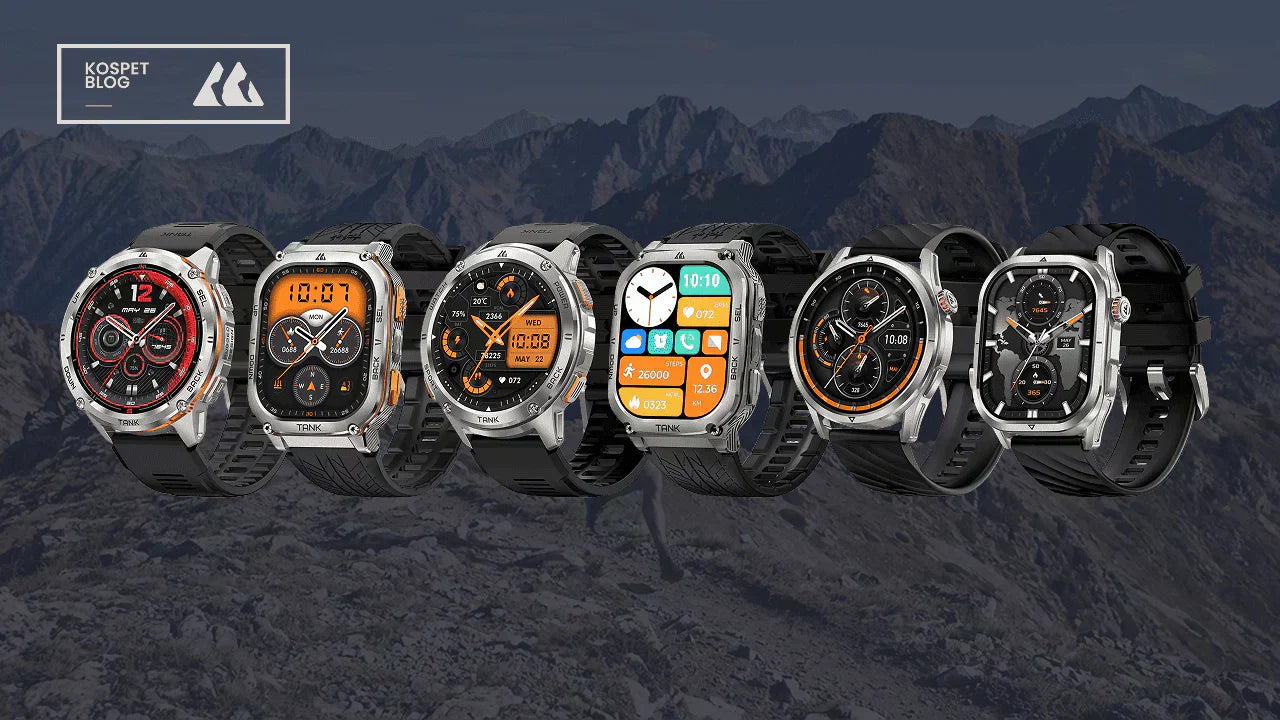
A round rugged smartwatch is usually easier to wear in tight spaces and may feel less bulky during long shifts, which is why it works well for construction and general outdoor work. A square rugged smartwatch usually offers a larger screen, making it better for plumbers, mechanics, or site managers who need easier viewing, flashlight support, calls, alerts, or job-site coordination features.