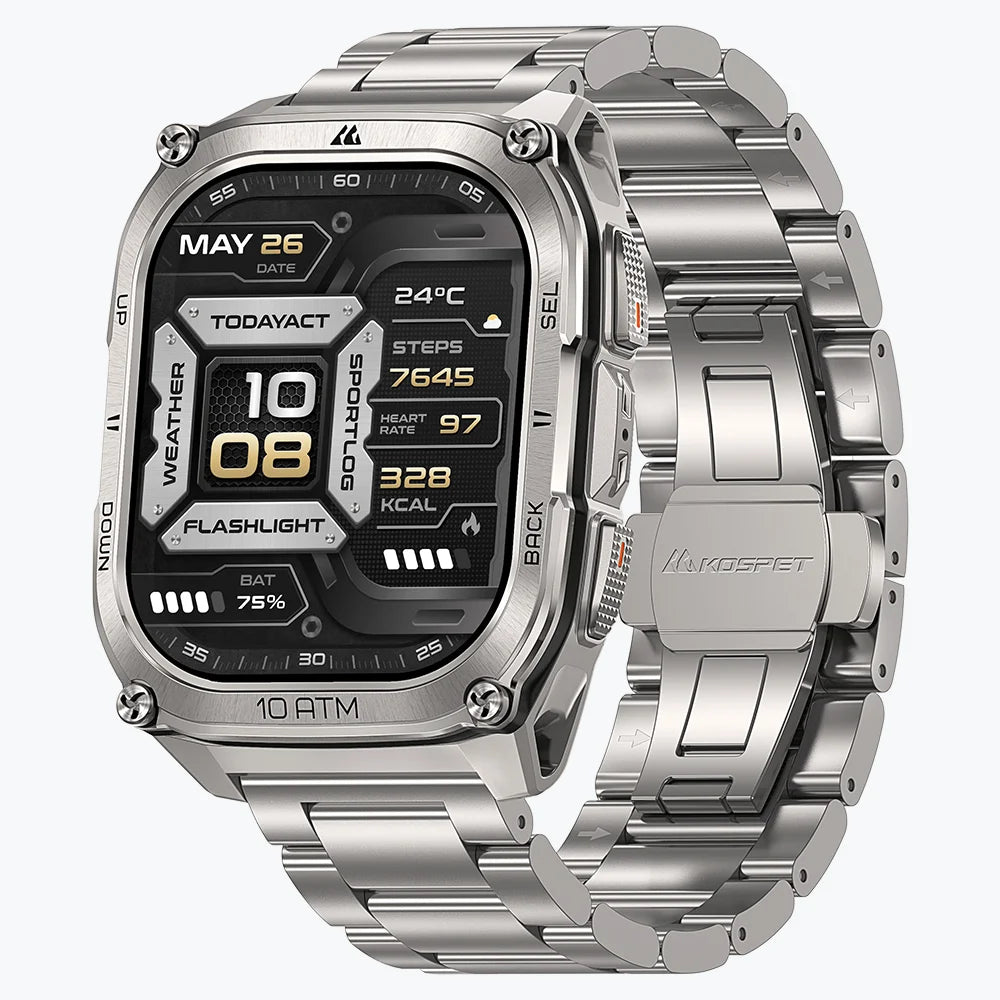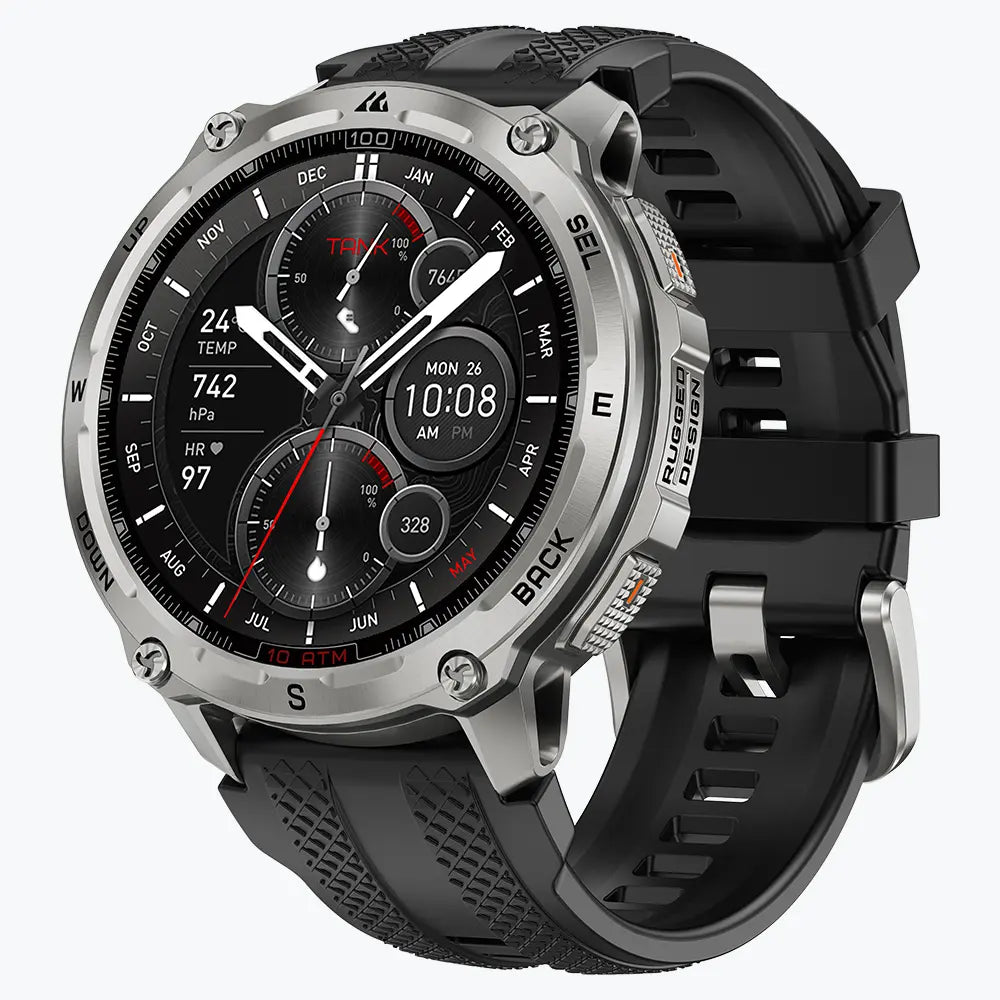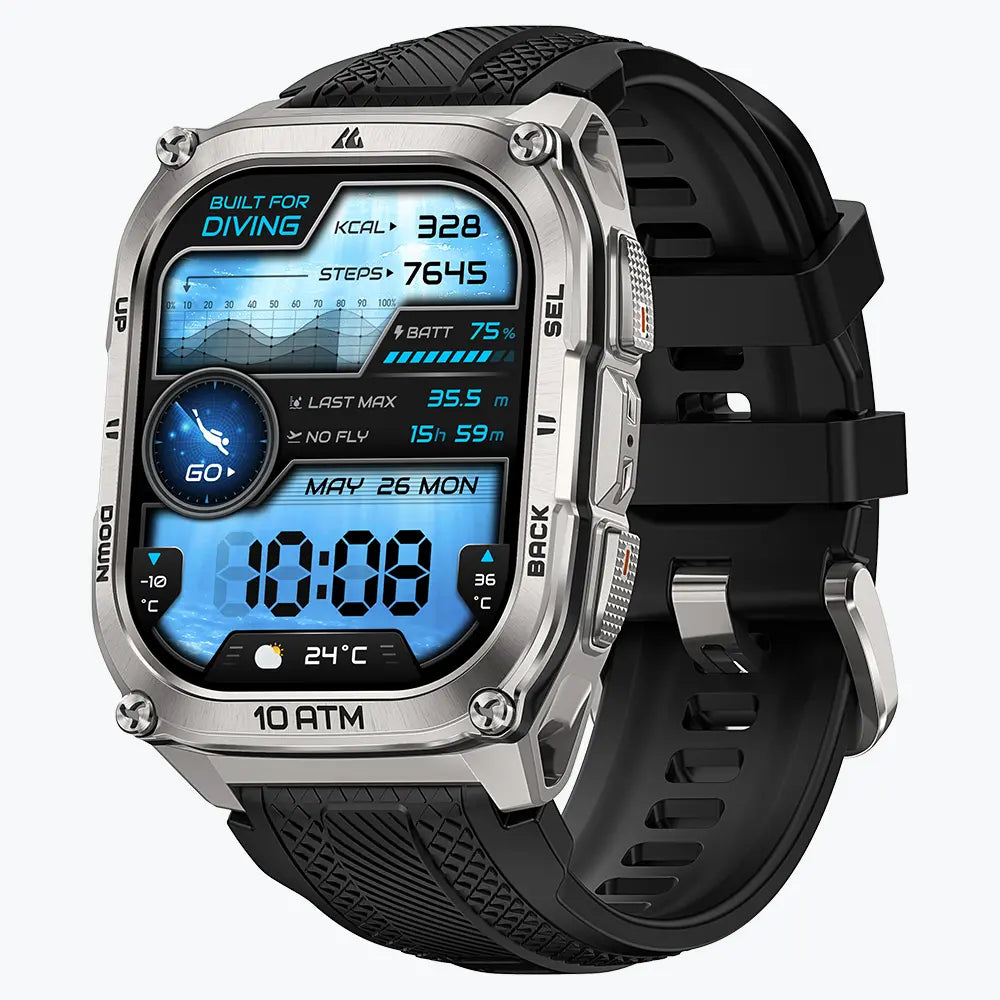



Một chiếc đồng hồ thông minh bằng thép không gỉ chất lượng tốt thường có thể chịu được mồ hôi hàng ngày. Việc sử dụng trong nước mặn có điều kiện: nhà sản xuất phải phê duyệt toàn bộ chiếc đồng hồ cho hoạt động dự định.
Dữ liệu thí nghiệm cho thấy thép không gỉ 316L có khả năng chống lại dung dịch mồ hôi nhân tạo ăn mòn tốt hơn nhiều so với thép thường. Các tiêu chuẩn về đồng hồ cũng coi ăn mòn do muối và sự xâm nhập của nước là các thử nghiệm riêng biệt.
Sự khác biệt đó giải thích tại sao chỉ riêng vỏ thép không gỉ hoặc xếp hạng IP/ATM là chưa đủ để chứng minh rằng đồng hồ thông minh có thể hoạt động an toàn dưới biển.
| Phơi bày | Câu trả lời dựa trên bằng chứng |
|---|---|
| Trang phục hàng ngày và các bài tập thể dục thông thường | Thường phù hợp |
| Đổ mồ hôi nhiều lần | Thông thường là phù hợp, miễn là không còn cặn bẩn nào bị giữ lại. |
| Thỉnh thoảng có hơi muối bắn vào | Phụ thuộc vào mô hình |
| bơi biển | Chỉ khi nhà sản xuất chấp thuận rõ ràng. |
| Lặn hoặc các môn thể thao dưới nước tốc độ cao | Cần có sự phê duyệt cụ thể cho từng hoạt động. |

Đồng hồ thông minh bằng thép không gỉ có chịu được mồ hôi hàng ngày không?
Đối với hầu hết người dùng, câu trả lời là có. Mồ hôi tự nhiên chủ yếu là nước, nhưng hàm lượng muối trong đó thay đổi đáng kể. Trong một nghiên cứu trên 696 vận động viên chuyên nghiệp, nồng độ natri trong mồ hôi ở các vùng cơ thể khác nhau dao động từ... 17 đến 92 mmol/L. Tốc độ tiết mồ hôi cao hơn, sinh lý cá nhân, khí hậu và hoạt động đều ảnh hưởng đến lượng muối đến được đồng hồ.
Vấn đề thực tế là điều gì sẽ xảy ra sau khi nước bay hơi. Muối và cặn da có thể còn sót lại xung quanh các mắt xích dây đeo, nút bấm, điểm tiếp xúc sạc và mặt sau của vỏ đồng hồ.
Thí nghiệm về mồ hôi nhân tạo đã phát hiện ra điều gì!
Một nghiên cứu trong phòng thí nghiệm đã trực tiếp kiểm tra thép không gỉ 316L được đánh bóng trong mồ hôi nhân tạo bằng phương pháp phân cực động học và quang phổ trở kháng điện hóa. Dung dịch được sử dụng tuân theo công thức mồ hôi nhân tạo tiêu chuẩn ISO và bao gồm:
- 20 g/L natri clorua;
- 17,5 g/L amoni clorua;
- 5 g/L axit axetic;
- 15 g/L axit lactic;
- Độ pH được điều chỉnh đến 4,7;
- Nhiệt độ thử nghiệm là 37 ± 0,1°C.
Đây là một dung dịch thử nghiệm được tăng tốc và thực hiện một cách có chủ đích để tạo ra tác động mạnh – chứ không phải là bản sao chính xác của lượng mồ hôi tiết ra trong một buổi tập luyện thông thường.
Kết quả cung cấp bằng chứng so sánh hữu ích:
| Kết quả điện hóa | Thép không gỉ 316L | Thép nhẹ | Sự khác biệt |
|---|---|---|---|
| Điện trở phân cực tuyến tính | 505.400 Ω·cm² | 21.380 Ω·cm² | Cao hơn khoảng 23,6 lần |
| Mật độ dòng điện ăn mòn | 12,24 µA/cm² | 181 µA/cm² | Thấp hơn khoảng 14,8 lần |
| Điện trở truyền tải điện tích | 17.900 Ω·cm² | 217 Ω·cm² | Cao hơn khoảng 82,5 lần |
Độ phân cực và điện trở truyền tải điện tích cao hơn cho thấy khả năng chống ăn mòn tốt hơn, trong khi dòng điện ăn mòn thấp hơn cho thấy phản ứng điện hóa diễn ra chậm hơn. Các nhà nghiên cứu cũng quan sát thấy Một vùng màng thụ động ổn định trên thép không gỉ 316L đã được hình thành và kết luận rằng nó phù hợp cho đồng hồ đeo tay và các vật dụng khác tiếp xúc với mồ hôi.
Thí nghiệm này ủng hộ một kết luận rõ ràng: Bản thân thép không gỉ 316L khó có thể là điểm yếu trong quá trình sử dụng thông thường và khi ra mồ hôi.
Tuy nhiên, thí nghiệm này chỉ kiểm tra các mảnh hợp kim 316L đã được đánh bóng – chứ không phải là những chiếc đồng hồ thông minh hoàn chỉnh bao gồm lớp phủ, ốc vít, gioăng, cảm biến, loa và các điểm tiếp xúc sạc. Một sản phẩm chỉ được mô tả là “thép không gỉ” cũng có thể sử dụng loại thép khác hoặc chỉ áp dụng mô tả đó cho phần viền của nó.
Mồ hôi dễ gây ra vấn đề hơn khi nó liên tục khô lại trong các khe hẹp, khi lớp phủ bề mặt bị hư hại, hoặc khi các bộ phận kém chống ăn mòn được đặt cạnh vỏ thép. Các cặn nhạt màu hoặc lớp tích tụ sẫm màu thường là cặn khô chứ không phải rỉ sét. Hiện tượng rỗ, sần sùi hoặc đổi màu dai dẳng xuất hiện trở lại sau khi làm sạch có thể là dấu hiệu của sự ăn mòn thực sự.
Đồng hồ thông minh bằng thép không gỉ có chịu được tiếp xúc với nước mặn không?
Một số loại quần áo có thể mặc được, nhưng nước mặn đòi hỏi sự chăm sóc kỹ lưỡng hơn so với quần áo thông thường khi ra mồ hôi.
NOAA đặt nước biển điển hìnhđộ mặn r ở mức xấp xỉ 35 gam muối hòa tan trên mỗi lít, Thông thường, nồng độ muối nằm trong khoảng 33–37 g/L. Việc ngâm trong nước biển cũng đưa muối vào các khe hở và giữ cho đồng hồ thông minh luôn ẩm ướt lâu hơn so với hầu hết các bài tập thể dục.
Mối đe dọa chính không chỉ đơn thuần là rỉ sét bề mặt có thể nhìn thấy. Nước giàu clorua có thể thúc đẩy sự ăn mòn rỗ cục bộ và ăn mòn kẽ hở, đặc biệt là nơi muối bị giữ lại. Vỏ ngoài có thể trông vẫn nguyên vẹn trong khi cặn bẩn tích tụ xung quanh nút bấm, chốt dây đeo, khóa cài, lỗ loa hoặc điểm tiếp xúc sạc.
Tiêu chuẩn kiểm tra đồng hồ cho thấy điều gì
Bằng chứng thuyết phục nhất cho thấy khả năng chống nước và khả năng chống muối là khác nhau đến từ chính các tiêu chuẩn đó.
Dưới ISO 22810:2010, Một chiếc đồng hồ chống nước thông thường có thể được kiểm tra thông qua các quy trình như sau:
- Áp suất dư tối thiểu 2 bar trong 10 phút;
- Ngâm ở độ sâu 10 ± 2 cm trong ít nhất một giờ;
- Một lực 5 N tác dụng lên núm chỉnh nha và các nút bấm khi đang ngâm trong nước;
- Ngâm trong dung dịch chịu sốc nhiệt ở 40°C, 20°C và 40°C;
- Kiểm tra hiện tượng ngưng tụ hơi nước trước và sau khi thử nghiệm.
Các quy trình này chủ yếu kiểm tra xem nước có thấm vào đồng hồ hay không. Tiêu chuẩn này cũng quy định nhà sản xuất phải chịu trách nhiệm xác định những hoạt động nào là phù hợp với một sản phẩm cụ thể.
Ngược lại, ISO 6425:2018 Đối với đồng hồ lặn, nó bao gồm một bộ phận riêng biệt. Thử nghiệm phun muối trung tính 48 giờ với vòng đeo tay được gắn kèm.. Sau khi tiếp xúc với nước, đồng hồ và dây đeo không được có bất kỳ thay đổi đáng kể nào, và các bộ phận chuyển động phải tiếp tục hoạt động. Sau đó, các quy trình riêng biệt được sử dụng để kiểm tra khả năng chống nước.
Sự khác biệt này rất quan trọng:
Việc vượt qua bài kiểm tra khả năng chống thấm nước không tự động chứng minh khả năng chống ăn mòn do muối.
Chỉ số IP mô tả khả năng bảo vệ chống bụi và nước xâm nhập trong điều kiện thử nghiệm cụ thể. Chỉ số ATM mô tả khả năng chịu áp suất. Cả hai chỉ số này đều không xác định hợp kim vỏ máy, không chứng minh rằng mọi thành phần bên ngoài đều chống lại muối, hoặc tự động chứng nhận khả năng sử dụng nhiều lần trên biển.
Do đó, bằng chứng ủng hộ một kết luận có điều kiện: đồng hồ thông minh bằng thép không gỉ chỉ có thể chịu được nước mặn khi toàn bộ mẫu đồng hồ—không chỉ riêng vật liệu vỏ—có khả năng chống nước phù hợp và được nhà sản xuất phê duyệt rõ ràng cho hoạt động dự định.
Những điều cần kiểm tra trước khi mua đồng hồ thông minh bằng thép không gỉ chống mồ hôi và nước mặn.
Trang sản phẩm cần cung cấp bằng chứng về cả vật liệu và chiếc đồng hồ thông minh đã được lắp ráp hoàn chỉnh.
| Những điều cần kiểm tra | Bằng chứng mạnh mẽ | Bằng chứng yếu hoặc không đầy đủ |
|---|---|---|
| Vật liệu vỏ hộp | Một mác thép cụ thể như 316L | "Phần thưởng thép không gỉ” |
| Khả năng chống nước | Xếp hạng cộng với các hoạt động được phê duyệt rõ ràng | IP68 hoặc 5 ATM không kèm hướng dẫn sử dụng |
| Khả năng thích hợp với nước mặn | Việc sử dụng đại dương, nước mặn hoặc vùng nước mở được nêu rõ ràng. | Chế độ bơi trong phần mềm |
| Các thành phần bên ngoài | Các vật liệu được tiết lộ cho vỏ, mặt sau, dây đeo, khóa cài và các bộ phận cố định. | Chỉ có chất liệu viền được liệt kê. |
| Sử dụng lâu dài | Các giới hạn, hướng dẫn chăm sóc và điều khoản bảo hành được công bố. | “Chống thấm nước” không điều kiện |
Hãy áp dụng ba nguyên tắc mua hàng khi so sánh các mẫu sản phẩm:
- Dành cho các bài tập thể dục hàng ngày: Một chiếc đồng hồ thông minh bằng thép không gỉ chất lượng tốt, được thiết kế để sử dụng trong hoạt động thể thao, thường có khả năng chịu được mồ hôi. Dây đeo nhanh khô có thể thiết thực hơn so với vòng đeo tay kim loại trong các bài tập cường độ cao.
- Vì thỉnh thoảng bơi lội: Hãy chọn mẫu sản phẩm mà nhà sản xuất cho phép sử dụng khi bơi lội. Không nên suy luận sự cho phép đó chỉ dựa vào mã IP.
- Dành cho việc sử dụng thường xuyên trên biển: Hãy tìm kiếm chứng nhận sử dụng trong nước mặn hoặc nước mở rõ ràng và kiểm tra các hạn chế liên quan đến độ sâu, tốc độ nước, hoạt động của nút bấm, dây đeo và phạm vi bảo hành.
Cũng cần kiểm tra xem bao nhiêu phần của chiếc đồng hồ thực sự được làm bằng thép không gỉ. Một số sản phẩm sử dụng vành thép không gỉ trên thân đồng hồ làm từ vật liệu khác. Một số khác kết hợp vỏ chống ăn mòn với dây đeo hoặc hệ thống khóa không được thiết kế để tiếp xúc với nước trong thời gian dài.
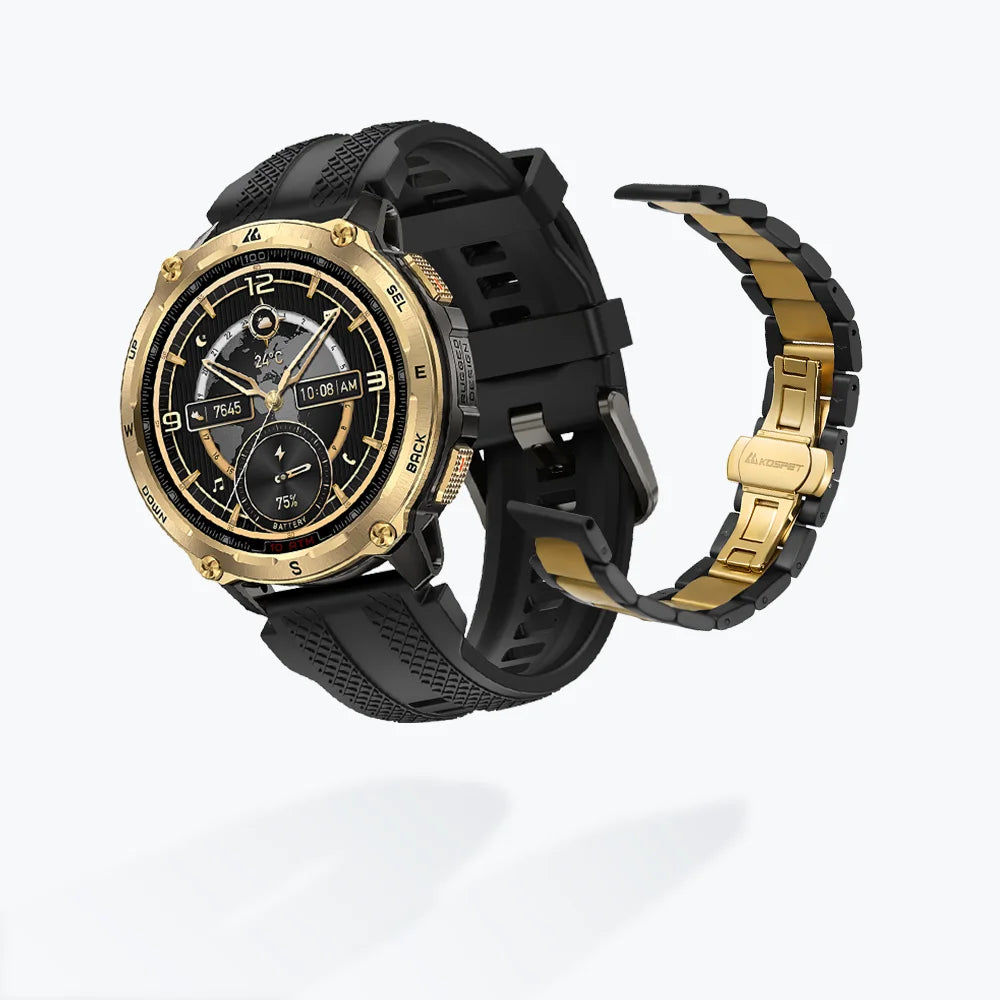
KOSPET TANK Đồng hồ thông minh T4 phiên bản đặc biệt
$229.99 USD
Các tiêu chí này cũng có thể hữu ích khi duyệt tìm kiếm. Đồng hồ thông minh KOSPET bằng thép không gỉ. Hãy so sánh cấu tạo, khả năng chống nước, chất liệu dây đeo và các hoạt động được phê duyệt của từng mẫu đồng hồ—đặc biệt nếu bạn dự định đeo đồng hồ thông minh khi tiếp xúc với nước mặn.
Câu hỏi thường gặp
Tôi có thể tắm với đồng hồ thông minh bằng thép không gỉ sau khi tập luyện không?
Chỉ khi nhà sản xuất cho phép rõ ràng việc tắm vòi sen. Xà phòng, dầu gội, nước nóng và tia nước áp lực cao có thể ảnh hưởng đến các gioăng và màng cách âm ngay cả khi vỏ thép không gỉ chịu được nước ngọt.
Tháo đồng hồ là lựa chọn an toàn hơn khi hướng dẫn sử dụng có đề cập đến việc bơi lội nhưng không nói rõ là cho phép tắm vòi sen.
Kem chống nắng có thể làm hỏng đồng hồ thông minh bằng thép không gỉ khi ở bãi biển không?
Kem chống nắng khó có thể làm cho thép không gỉ chất lượng cao bị gỉ ngay lập tức. Tuy nhiên, cặn của nó có thể tích tụ xung quanh các lớp phủ, dải, cảm biến, gioăng và màng loa.
Loại bỏ các chất bám bẩn có thể nhìn thấy bằng phương pháp làm sạch được phê duyệt cho đồng hồ thông minh và dây đeo cụ thể. Tránh sử dụng dung môi và chất tẩy rửa có tính mài mòn trừ khi nhà sản xuất cho phép rõ ràng.
Liệu đồng hồ thông minh bằng thép không gỉ có thể gây phát ban khi bạn đổ mồ hôi không?
Vỏ thép không gỉ có thể không phải là nguyên nhân. Mồ hôi đọng lại, ma sát, dây đeo quá chật, cặn xà phòng hoặc mẫn cảm với niken, lớp phủ, chất kết dính hoặc vật liệu dây đeo đều có thể gây kích ứng da.
Giữ cho đồng hồ và cổ tay khô ráo, điều chỉnh cho vừa vặn và kiểm tra các chất liệu được công bố nếu bạn có tiền sử dị ứng da.
Bạn có thể đeo đồng hồ thông minh bằng thép không gỉ khi vào phòng xông hơi hoặc bồn tắm nước nóng không?
Đừng cho rằng xếp hạng bơi lội cũng bao gồm cả khả năng chịu nhiệt.Nhiệt độ cao có thể ảnh hưởng đến pin, chất kết dính, màn hình và gioăng, trong khi bồn tắm nước nóng đưa vào các hóa chất và dòng nước chuyển động.
Hãy kiểm tra giới hạn nhiệt độ hoạt động và giới hạn sử dụng nước của sản phẩm trước khi đeo trong bất kỳ môi trường nào.