


A rugged smartwatch stays usable because different parts protect it from different kinds of damage. A hard watch face helps it stay clear after scrapes. Raised edges protect the screen and buttons from some knocks. Seals keep dust and water away from the electronics, while corrosion-resistant parts help the case and buckle hold up around sweat and salt.
When two watches both claim to be tough, start with the damage you are most likely to face. That gives you a reason to compare one feature before another.
What Protects a Rugged Smartwatch From Damage?
Screen Materials and a Raised Bezel
For daily scrapes, a hard watch face set below a raised rim offers two kinds of protection. The rim, called a bezel, can meet a flat surface first. When grit reaches the glass, a hard face such as sapphire helps it resist scratches.
That pairing is useful when your watch regularly brushes a brick wall or a rough work surface. A narrow tool tip can reach past the rim, and a sharp hit can crack even sapphire.
Case Design and Protected Controls
For knocks against a bench or door frame, raised guards beside the buttons help keep the controls working. A broad edge can strike a guard before it hits the button. Some designs also use soft pieces between the case parts to cushion a hit.
That protection matters when you use the buttons to start a timer or move through screens during work. A mark on the outer case may leave the watch usable. A button that sticks can stop you from using a function you rely on.
Seals Against Water and Dust
For dusty work, a dust-tight case protects the electronics. For pool laps, choose a model the maker lists for swimming. Seals close gaps where parts meet, such as around the back cover and controls. IP68 covers dust and immersion under stated conditions. IP69K includes protection against a specified hot, high-pressure water spray. Those water tests represent different kinds of exposure.
An ATM rating tells you the water pressure a watch is rated to handle. The activity guide gives that number a practical meaning. For instance, Withings lists swimming for the ScanWatch 2, which has a 50-meter pressure rating, and excludes snorkeling and diving.
Materials That Resist Sweat and Saltwater
For regular use near the sea or during sweaty workouts, the case, buckle and strap fittings all matter. Stainless steel has a thin surface layer that helps it resist rust. Salt can damage that layer, especially in tight gaps where residue stays behind. This can happen on the outside even while the seals keep the inside dry.
After a sweaty workout, a wipe removes residue from the parts against your skin. After sea use that the watch supports, rinsing with fresh water as directed removes salt from the gaps around the case and strap.
How to Compare Rugged Smartwatches for Durability
Start With the Damage You Want to Avoid
Pick the problem that would matter most if it happened again next week. A screen that gets scraped on rough walls puts the watch face first. A button that keeps hitting equipment puts the shape of the case first. Regular pool use puts swimming support first. The order can change even when you compare the same two watches.
Compare the Same Parts and Test Conditions
Match each claim to the same part or kind of exposure on both watches. Compare the two screen designs for scrapes, or compare shock tests for knocks. For test results, the conditions matter. A drop onto a hard floor and a drop onto a padded surface tell you different things.
A named MIL-STD-810H test helps you see what was tested. Shock, vibration and salt fog each answer a different question. When the makers give comparable conditions and results, those details support a stronger judgment than the number of tests on the box.
Compare Two Watches in the Same Situation
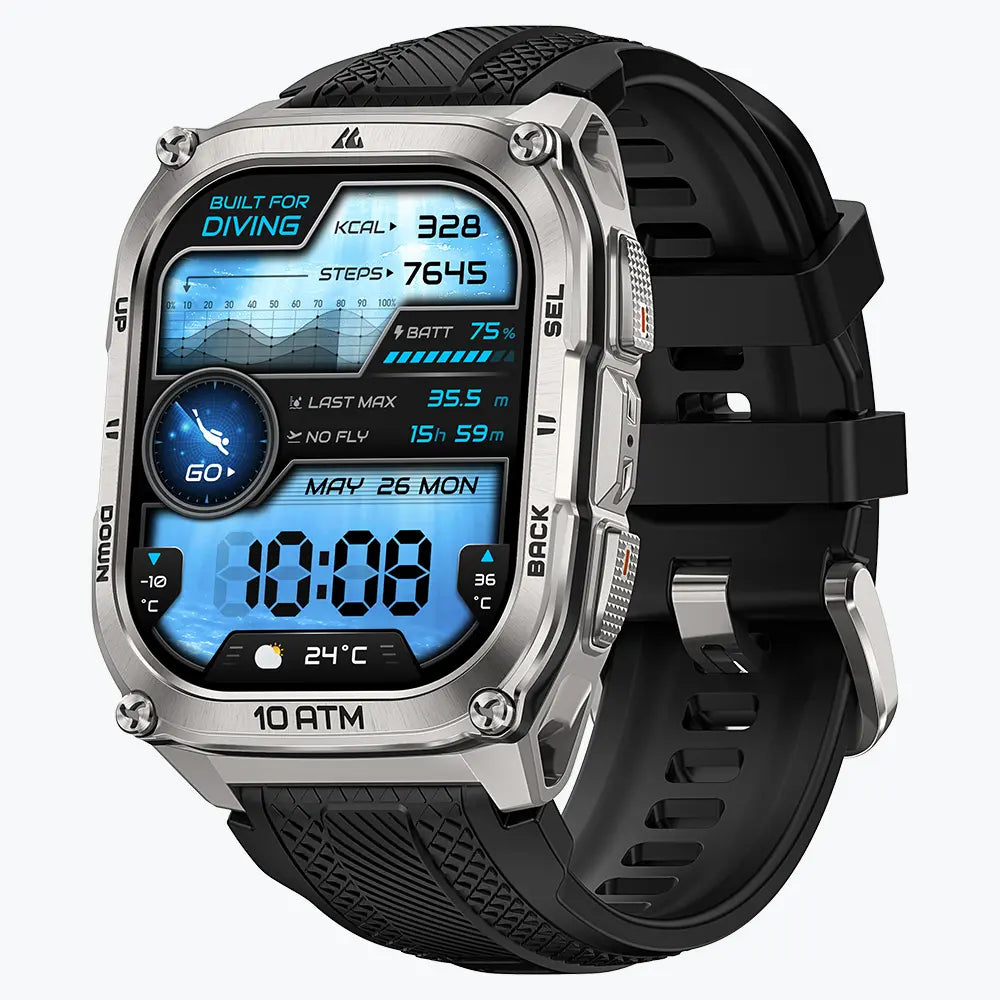
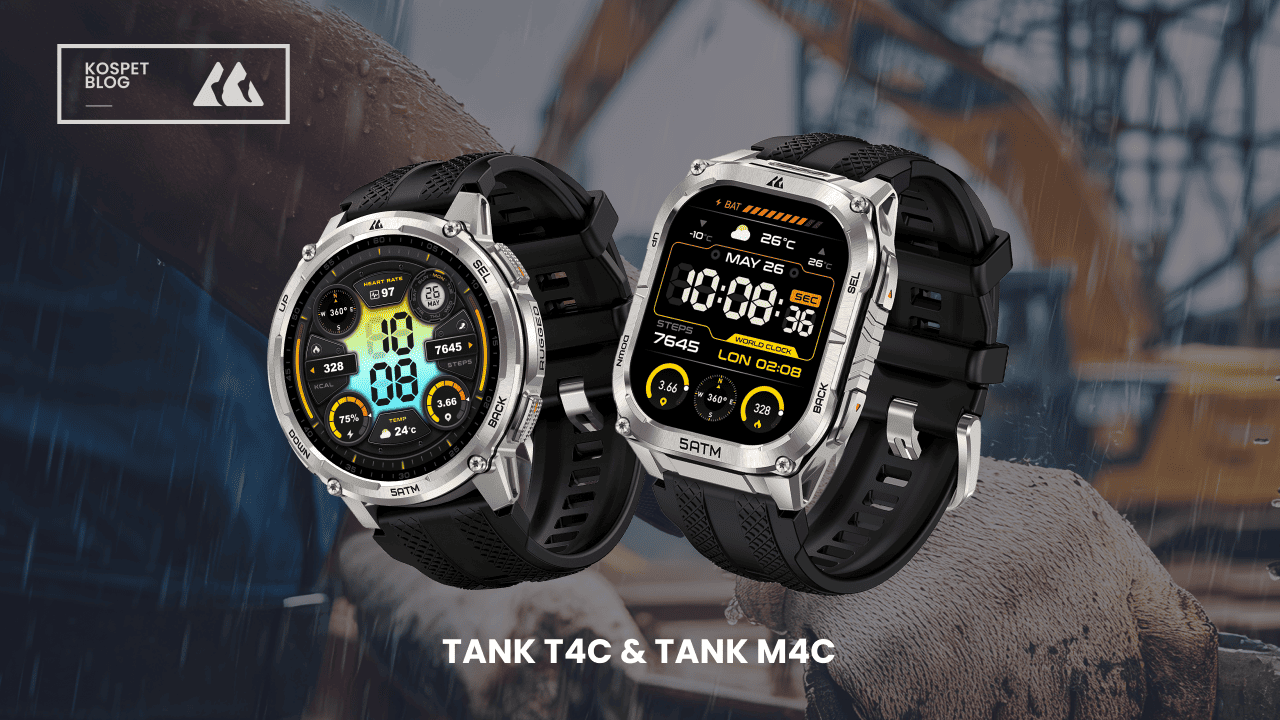
Someone wearing a watch around dust and tools can compare the KOSPET TANK T4C and TANK T4 on three points.
| Protection detail | TANK T4C | TANK T4 |
|---|---|---|
| Dust and water-jet rating | IP69K | IP69K |
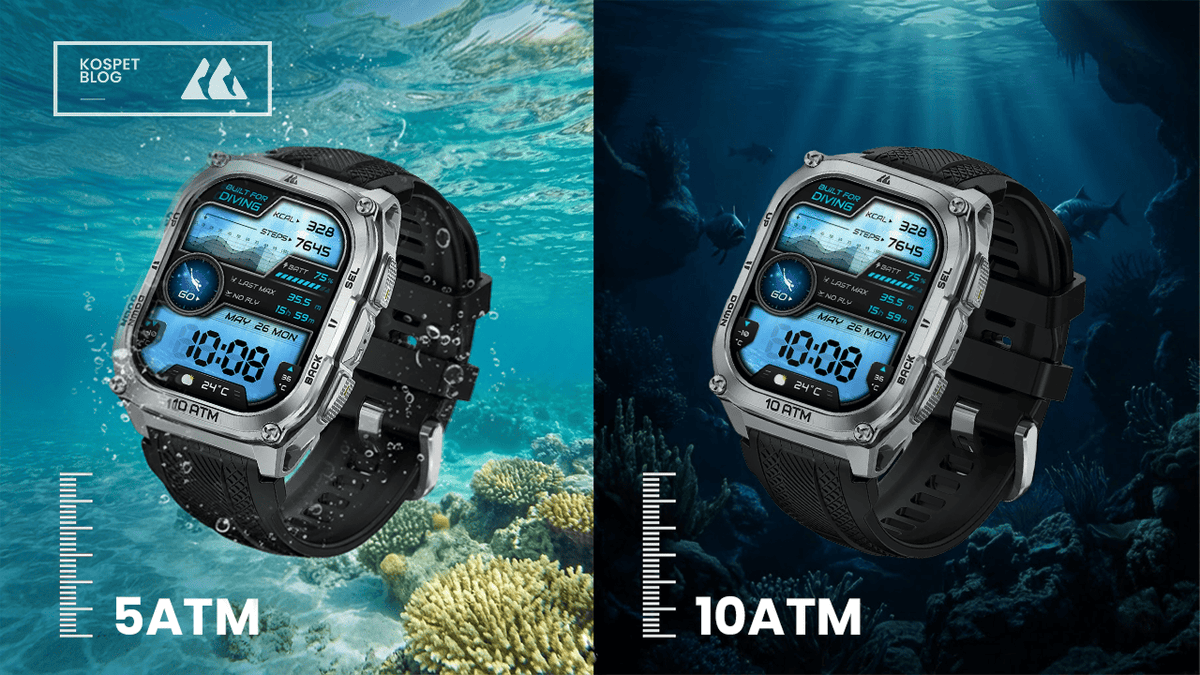
| Water-pressure rating | 5 ATM | 10 ATM |
| Protection against knocks | The product page describes a reinforced case | The product page lists shock and transit drop tests |
$159.99 USD

كوسبيت
For dusty indoor work, the two watches have the same stated dust-protection class. The T4's higher ATM rating is useful when your activity calls for more pressure resistance and the watch maker supports that use. For knocks, its named tests give you more detail about the protection claim. Deciding which watch survives a harder hit would take results from both watches under the same conditions.
Learn how to choose a rugged smartwatch that fits the way you’ll use it.
What Long-Term Use Reveals About Durability
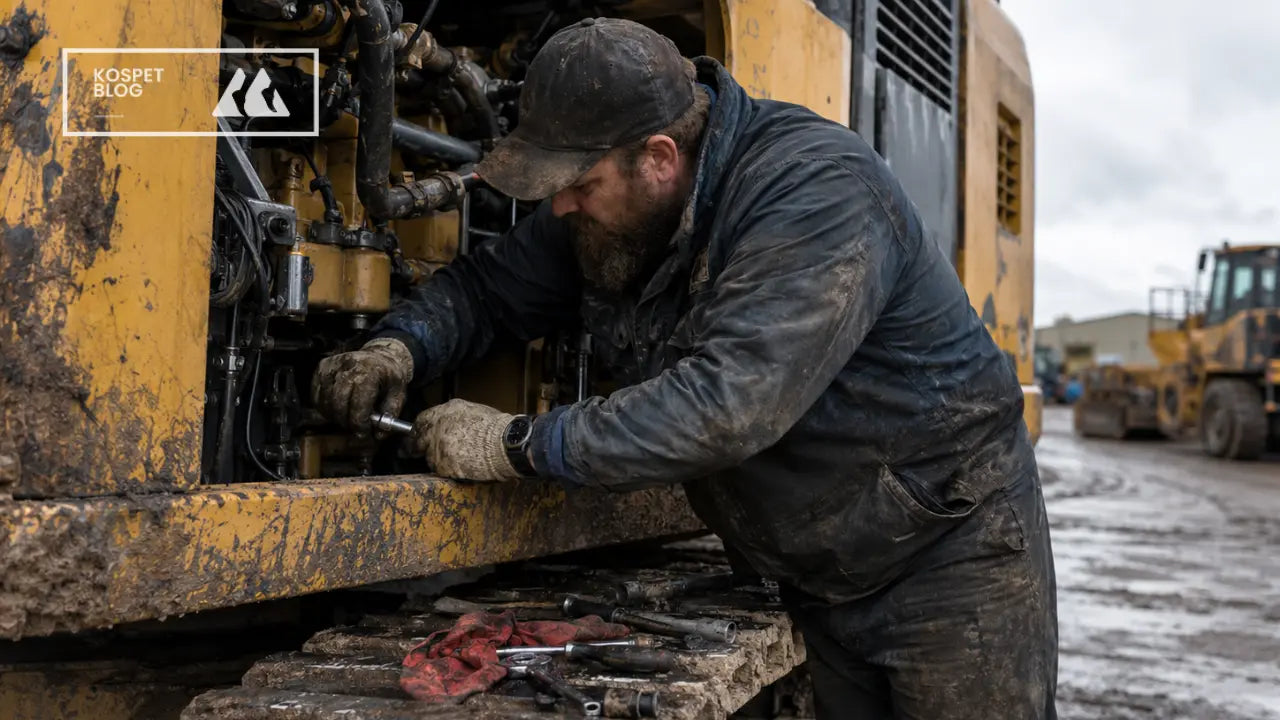
Long-term reviews are most helpful when they tell you what wore down and what still worked. One construction worker reported that a Garmin Fenix 6X Sapphire still had a clear face after three years, while the bracelet showed wear. In a separate discussion, a carpenter reported no scratches after years of wear on a Fenix 5X Sapphire. A masonry worker reported scratches and mortar buildup on a Fenix 5 that was still working.
For readers in similar jobs, these accounts show how scuffs and dirt can build up while a watch stays usable. Each describes one person's watch and work conditions.
What Happens When a Part Wears Out or Breaks?
A replaceable strap can keep a working watch in use. A broken strap mount or cracked screen puts the case or screen itself in need of service. The difference matters when you plan to wear the watch for years. Replacing a compatible band is a smaller job than repairing the part of the case that holds it.
The cause also affects what you pay. KOSPET's warranty policy lists replacement for confirmed manufacturing defects within its terms. It lists paid repair quotes for damage outside standard coverage, such as a screen cracked in an accidental drop. For eligible watches with accidental damage or outside the warranty period, the policy also lists replacement at 60% of the original MSRP. That figure applies to replacing the device.
FAQs
Is a Rugged Smartwatch Worth It for Everyday Use?
It can be worth it when you wear the watch through activities that regularly expose it to damage. For an office routine and indoor workouts, fit may make more of a daily difference. A thicker case can feel awkward under a close-fitting sleeve.
Can a Stainless Steel Smartwatch Rust?
Yes. Rust around a strap pin deserves attention because the pin holds the band to the watch. A damaged pin can come loose even while the watch runs normally.
Does a Higher Water Resistance Rating Make a Watch More Durable?
A higher ATM rating gives a watch a higher stated resistance to water pressure. How useful that is depends on the activities the model supports and the condition of the watch. Seals can age, and hard knocks can affect how well they keep water out.